This post is also available in:
 עברית (Hebrew)
Large-scale emergencies often trigger a secondary crisis: the sudden loss of communications. Floods, fires, earthquakes, or cyberattacks can knock out established infrastructure within minutes, leaving emergency responders without the ability to coordinate. The 2021 Ahr Valley flood in Germany illustrated this risk sharply, wiping out telephone exchanges and mobile networks just when they were needed most.
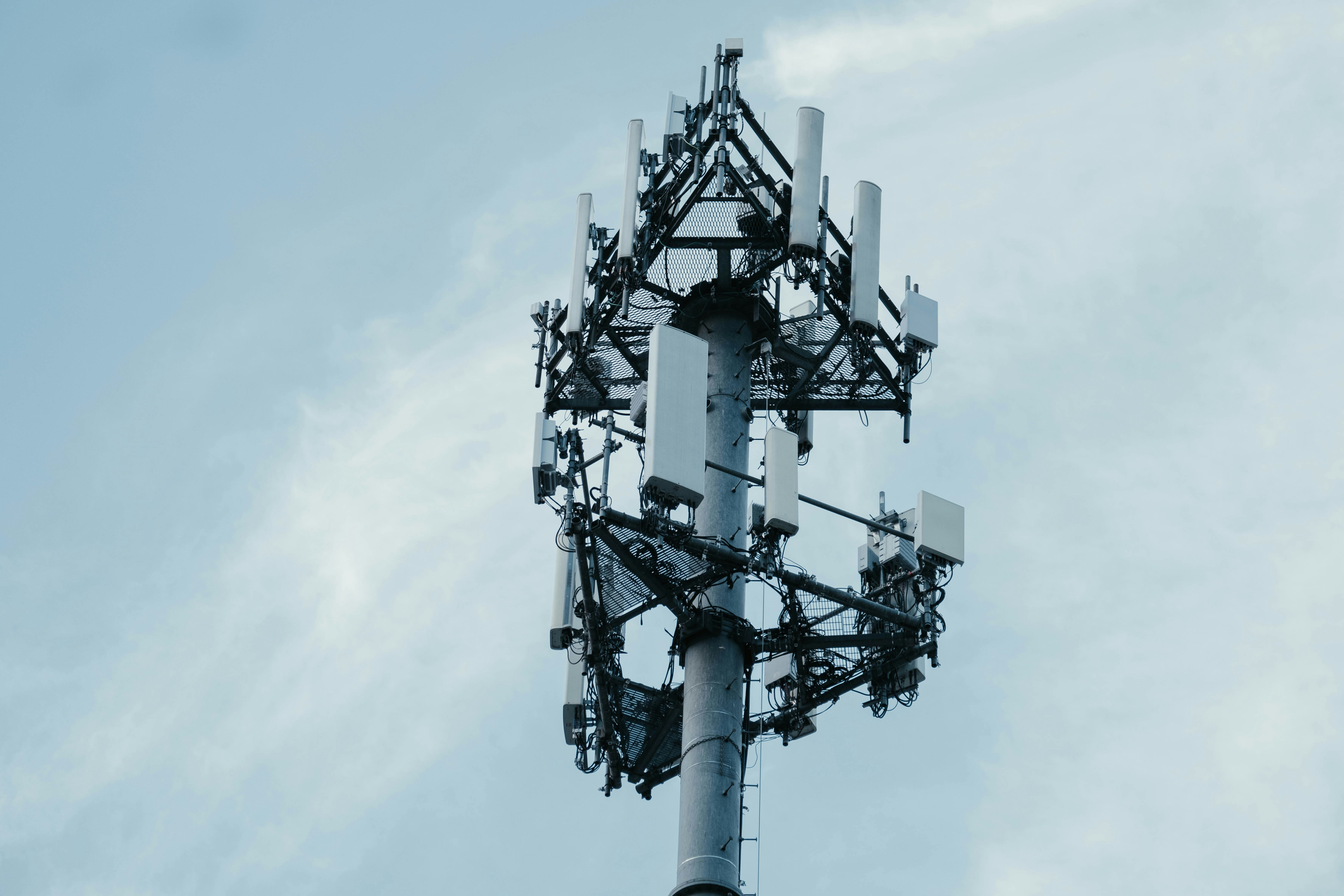
To address this challenge, researchers at Fraunhofer FIT and partner universities have developed a self-organizing, wireless communication system designed specifically for civil protection and disaster relief. Built under the 5G Opportunity project, the system bypasses congested or damaged public networks by establishing a private, rapidly deployable 5G/Open RAN mesh that emergency teams can rely on immediately.
The problem the system solves is straightforward: responders need reliable communications from the moment they arrive on scene, long before commercial providers can restore service. The solution is WiBACK, a portable multi-hop routing technology originally designed to deliver connectivity to remote rural regions. Adapted for emergency use, it enables teams to set up an independent network using small, battery-powered radio nodes that configure themselves automatically.
According to TechXplore, each node acts as both a receiver and a relay. By forwarding data across multiple hops, the network can cover long distances without requiring line-of-sight between every unit. Smartphone access is supported through localized 5G cells or WiFi, while vehicles can connect through the system’s radios. According to the researchers, deployment is simple: align the antennas, attach the batteries, and the network activates without the need for specialist technicians.
For homeland security and defense organizations, such systems offer resilience advantages. Mobile, self-sufficient networks allow command posts, patrol units, and field teams to stay connected even when infrastructure is damaged or when operating in remote terrain. A private 5G mesh is also harder to overload or intercept, giving first responders and security forces a stable communications backbone during high-pressure operations.
The team validated the system during the Summer Breeze Open Air 2024 festival, where a private 5G campus network supported tens of thousands of attendees. Solar-powered nodes ran reliably throughout the event, demonstrating the viability of energy-independent communications in crowded, complex environments.
A follow-up project, HiLeit, now aims to strengthen the system further. Planned upgrades include modular network nodes that can be deployed even faster and the integration of LEO satellite links, fiber, and existing public networks to create highly adaptable hybrid architectures.
As disasters grow more frequent and complex, rapid-deployment communication systems like this could form a crucial part of national resilience—ensuring teams can coordinate even when traditional networks fail.