This post is also available in:
 עברית (Hebrew)
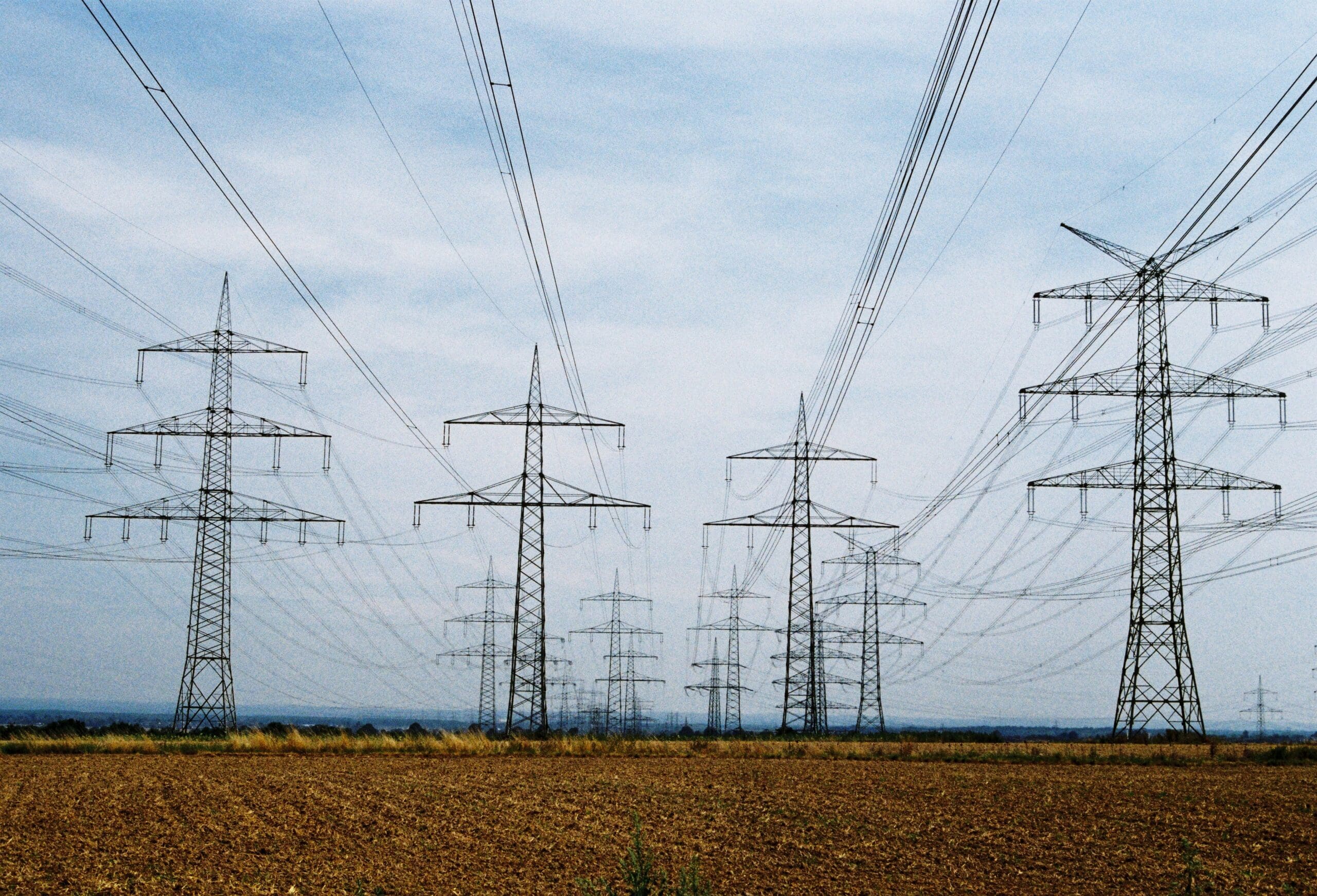
Power transmission lines stretch across forests, farmland, and mountainous terrain, where they face constant exposure to heat, vegetation growth, and shifting weather patterns. These factors can cause lines to sag or drift closer to surrounding obstacles, which are problems that often go unnoticed until they create safety hazards or service interruptions. Traditional inspection methods rely on ground crews or manned aircraft, both of which are limited by access, cost, and the inability to capture full-span data in real time.
A research team from Hanyang University has developed a UAV-based monitoring system designed to address these limitations. Their approach combines 3D LiDAR, GPS, and inertial measurement (IMU) data to reconstruct the full geometric profile of a transmission line while it is in normal operation. Instead of treating sag as a static measurement, the system integrates thermal imaging, allowing the drone to correlate line temperature with changes in tension and shape.
According to TechXplore, this dual-mode approach solves a key challenge: sag varies significantly with temperature, making a single visual measurement inadequate for assessing risk. By linking temperature data to established sag–tension models, the system can also predict how the line will deform under extreme heat, such as during heavy loading or heat waves. This gives inspectors insight not only into current conditions but into how the line may behave under future stresses.
To analyze environmental infringement, the drone-generated model is compared with 3D point clouds of surrounding vegetation and structures. An automated infringement zone—defined by required clearance and uncertainty margins—allows the system to identify objects that may encroach on the line. Indicators such as intrusion depth, affected distance, and point density help operators prioritize vegetation clearing or structural adjustments.
For homeland security and defense sectors, this type of UAV-enabled predictive monitoring can be valuable for protecting critical infrastructure. Power transmission corridors are essential to military bases, emergency response networks, and national resilience. Early detection of line deformation reduces the chances of outages caused by storms, wildfires, or deliberate interference.
The researchers note that the same principles could be applied to other infrastructure where deformation and environmental interaction must be monitored together. As climate variability and extreme weather increase, automated aerial inspection tools like this one offer a path toward more proactive maintenance and stronger infrastructure resilience.
The research was published here.