

This post is also available in:
 עברית (Hebrew)
Modern naval forces are increasingly challenged by the limits of traditional missile defense. Ship-based interceptors and radar systems were largely designed to counter predictable flight paths and subsonic or supersonic threats. The emergence of maneuverable hypersonic weapons, flying at extreme speeds and unconventional trajectories, is beginning to expose gaps in those defenses—particularly in contested maritime environments.
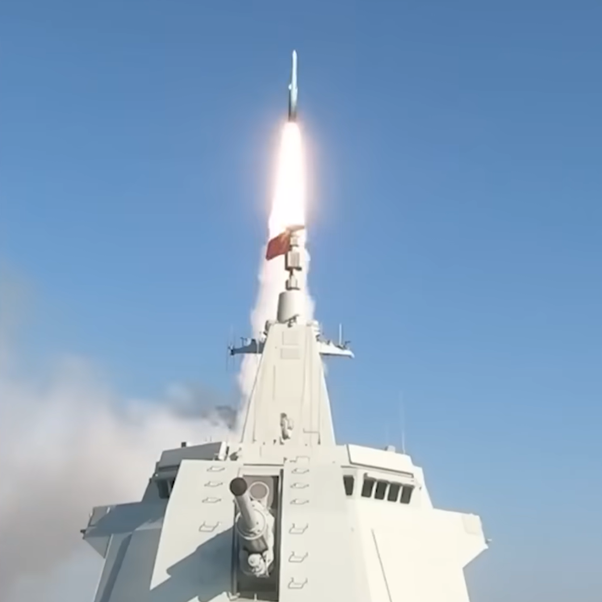
New footage released by Chinese military media offers a rare glimpse into how one navy is addressing this shift. The video shows a live-fire test of the YJ-20 hypersonic anti-ship missile launched from a Type 055 destroyer during what was described as a final-stage evaluation. According to Interesting Engineering, the missile was cold-launched from a vertical launch cell and successfully struck its target at sea. While technical details such as range were not disclosed, the release itself suggests the system is approaching operational readiness.
The missile is designed to solve a specific operational problem: how to threaten heavily defended surface combatants from long distances while reducing the defender’s reaction time. Analysts describe the missile as a boost-glide weapon that accelerates to hypersonic speed using a rocket booster before releasing a glide vehicle. This vehicle then travels at speeds above Mach 5 while maneuvering toward its target, making its path difficult to predict.
One of the more distinctive aspects of the design is its reported use of a biconical glide body. This shape generates shockwaves during hypersonic flight, allowing the missile to retain control authority even at extreme speeds. Chinese sources also claim the missile can approach targets from steep, near-vertical angles in its final phase, complicating interception by naval air-defense systems optimized for horizontal threats.
A ship-launched hypersonic missile expands the threat envelope well beyond conventional anti-ship weapons and puts greater pressure on fleet air defenses. Deployed aboard large surface combatants such as the Type 055—China’s primary platform for fleet air defense and command—the missile would support operations far from home waters and strengthen long-range sea-denial capabilities.
Although official confirmation of operational deployment has not been provided, the decision to publicize a successful live firing is notable. It signals growing confidence in the system and highlights the accelerating pace at which hypersonic technologies are moving from development into frontline naval service.























