

This post is also available in:
 עברית (Hebrew)
Imagine a quiet night, its stillness broken only by a familiar, monotonous hum – the ominous sound of Shahed loitering munitions. Ground forces have grown accustomed to confronting this threat, developing tactics to identify, intercept, and neutralize these relatively simple aerial vehicles, which pose a tactical danger but are often manageable defensively. However, the operational landscape shifted dramatically this week, sending ripples of concern through defense circles worldwide. What was intercepted was not a standard Shahed, but a disturbing leap in technological and operational capability: an innocent-looking unmanned aerial vehicle, designed to strike ground targets, was found equipped with a man-portable air defense system (MANPADS). This marks the first known instance of such an air-to-air weapon system being integrated onto a loitering munition, and the implications for the future battlefield are profound and far-reaching.
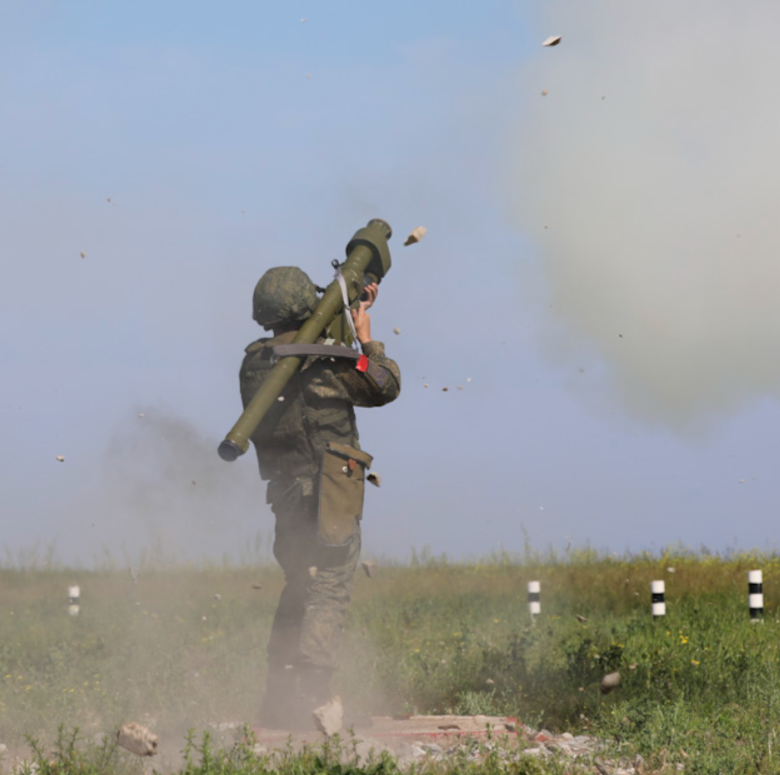
According to Interesting Engineering, unlike its standard configuration, where it is designed to follow a pre-programmed flight path before diving into its target with an explosive warhead, this innovative drone carried an aerial interception capability. The integration of a MANPADS, a system originally designed for shoulder-launched deployment by an infantry soldier, onto a drone platform presents formidable engineering challenges. It demands significant modifications concerning weight distribution, balancing the aerial vehicle, providing adequate power supply for the interception system, and crucially, developing the capabilities for detecting and locking onto an aerial target while the host drone itself maneuvers. Key questions immediately arise regarding the specific type of MANPADS chosen – whether it is a passive infrared-guided system, requiring a prominent heat signature from the target, or a more advanced system potentially necessitating external guidance. Regardless, the understanding is clear: this integration transforms the Shahed from solely a ground-threat actor into an active participant in the contested airspace.
This latest development is not an isolated incident but rather a continuation of a series of adaptations observed in these loitering munitions. Ukrainian officials and analysts have consistently pointed to a persistent trend of modifying Shahed drones and similar unmanned aerial vehicles. These modifications aim to enhance their survivability and operational effectiveness, particularly in response to the continuous evolution of Ukrainian air defense systems and interceptor drone capabilities. Only days prior to this groundbreaking discovery, it was reported that some Shahed drones had been fitted with infrared spotlights. This addition, which improves maneuverability and targeting in low-visibility conditions or complete darkness, hinted at a desire for more complex operational profiles and, specifically, the use of electro-optical sensors for target identification and verification of engagement. Now, the integration of a MANPADS represents a significant escalation, transforming the drone from a simple suicide munition into a nascent “hunter drone” capable of engaging interceptor drones themselves, low-flying helicopters, or even slower, less agile combat aircraft.
The operational ramifications of this engineering marvel are critical and demand an urgent reassessment of existing air defense strategies. A Shahed drone armed with a MANPADS creates an unprecedented “killer-killer” scenario – where the very drones designed to intercept traditional Shaheds are now forced to contend with an aerial threat of their own. This development could substantially increase the risk to both manned and unmanned aircraft operating in forward airspaces. Furthermore, it starkly highlights the relentless and accelerating arms race between offensive and defensive capabilities, where every improvement by one side necessitates an immediate and often costly response from the other.
This serves as a potent reminder that the modern battlefield is becoming increasingly ambiguous, and the once-clear lines distinguishing weapons from their intended targets are rapidly blurring, challenging conventional military doctrines and requiring innovative counter-strategies.























