

This post is also available in:
 עברית (Hebrew)
As drones become cheaper, smaller, and easier to modify, security teams face a growing challenge: many threats do not appear in the sky—they arrive hidden inside luggage, backpacks, or cargo. Once inside a restricted area, these components can be reassembled into functioning UAVs capable of surveillance, disruption, or targeted attacks. Traditional perimeter sensors offer no defense against a drone that is built inside the perimeter.
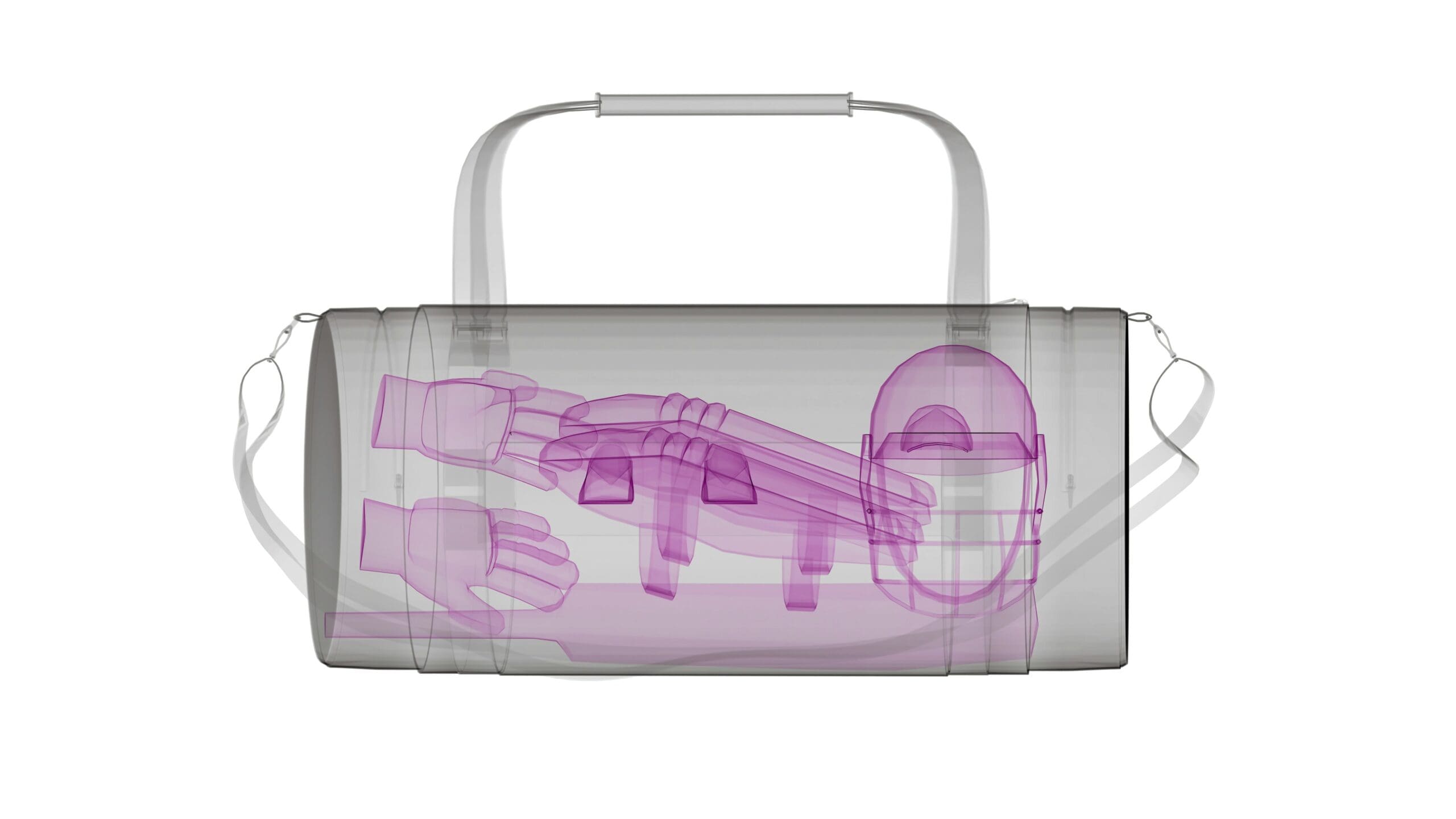
According to NextGenDefense, a new X-ray–based detection system aims to address that gap by identifying drone components before they enter sensitive locations. The technology integrates artificial intelligence into conventional X-ray workflows, enabling screening teams to spot assembled or disassembled UAV parts during routine inspections. Instead of requiring manual analysis, the system uses machine-learning models trained to recognize materials, shapes, and construction patterns commonly associated with consumer and custom-built drones.
The problem being solved is twofold. First, drone incidents are rising sharply—regulators have reported significant increases in illegal incursions and unauthorized flights near critical facilities. Second, attackers have begun circumventing external drone defenses by smuggling parts in pieces and rebuilding them inside restricted zones. AI-assisted X-ray screening provides a way to intercept those components long before they become airborne threats.
The system is intended for checkpoints at airports, energy facilities, defense installations, and other high-risk infrastructure. It can be added to existing X-ray stations without major workflow changes, allowing operators to receive automatic alerts when the software detects suspicious items. Because the tool identifies characteristic materials as well as known shapes, it can flag improvised or partially assembled designs that may evade manual screening.
Integrating this capability into a layered counter-drone framework adds a valuable early-warning layer. While perimeter radars, RF detectors, and jammers track drones already in flight, AI-enhanced X-ray detection focuses on preventing threats from entering the site in the first place. Together, these tools could reduce the likelihood of hostile UAVs appearing unexpectedly inside protected zones.
The system is currently being evaluated in live operational settings by multiple security agencies. Developers are also exploring interoperability with counter-UAS platforms and electronic warfare tools, paving the way for unified drone-defense architectures that span both entry-point screening and aerial detection. If successful, the technology could shift counter-drone strategies toward earlier, more proactive interdiction.























