This post is also available in:
 עברית (Hebrew)
Ukraine has faced a growing challenge as Russia introduces faster, more resilient loitering munitions designed to overwhelm conventional air defenses. The latest threat, the Geran-3—a turbojet-powered derivative of Iran’s Shahed-238—flies at speeds estimated around 370 kmph, nearly double that of the earlier Geran-2. Its higher velocity, improved navigation, and tougher electronic-warfare resistance raised concerns that Ukraine’s existing interceptor drones would be unable to keep up.
According to Interesting Engineering, the core problem stems from cost. Russia deploys these one-way attack drones in large numbers, often mixed with decoys to saturate air-defense systems. Shooting them down with surface-to-air missiles can quickly drain Ukraine’s limited and expensive stockpiles. Kyiv therefore needs interceptors that are both fast enough to catch the Geran-3 and inexpensive enough for routine use.
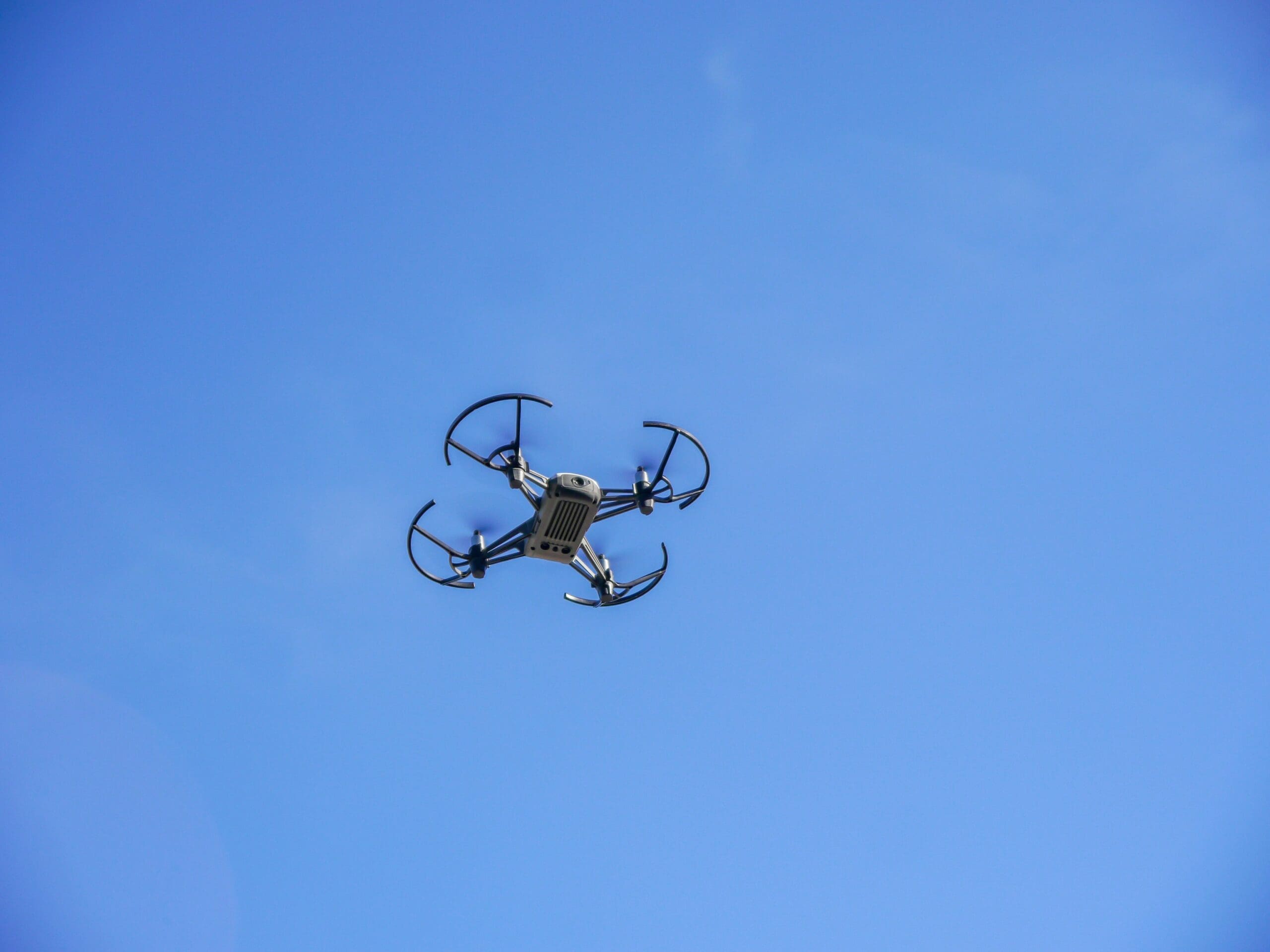
One potential solution now appears to be emerging. Ukrainian frontline units report that a homegrown interceptor known as the Sting has successfully engaged several Geran-3 drones. While the claims await independent verification, the shared imagery—showing what appears to be a jet-powered drone from close range—suggests that Ukraine has fielded an interceptor capable of matching these higher speeds.
The interceptor, produced by the Ukrainian firm Wild Hornets, is designed to reach roughly 345 kmph. Originally built to counter the slower Geran-2, it is a lightweight, low-cost platform optimized for rapid acceleration and direct-impact interceptions. Most Ukrainian interceptors in this class cost between $2,000 and $6,000, a fraction of the estimated $20,000 price of a Geran-2 and dramatically cheaper than traditional air-defense rockets.
For militaries worldwide, the dynamic illustrates a broader trend: the rise of drone-on-drone air defense, where swarms are countered not with missiles, but with equally agile unmanned systems. Fast interceptors like this one provide a scalable, financially sustainable way to defend cities, infrastructure, and mobile forces against low-cost aerial threats. They also reduce reliance on high-end weapons better reserved for cruise or ballistic missiles.
Ukraine’s General Staff reports that most of the 138 Geran-3s launched recently were destroyed, though the specific systems used were not disclosed. Russia appears to still be testing the new design, with production not yet matching the thousands of Geran-2 units manufactured each month.
Whether Ukraine’s interceptor fleet can adapt quickly enough if Russia scales Geran-3 production remains uncertain, but the early results suggest a promising countermeasure at a critical moment, especially as winter conditions place additional strain on Ukraine’s air-defense network.