This post is also available in:
 עברית (Hebrew)
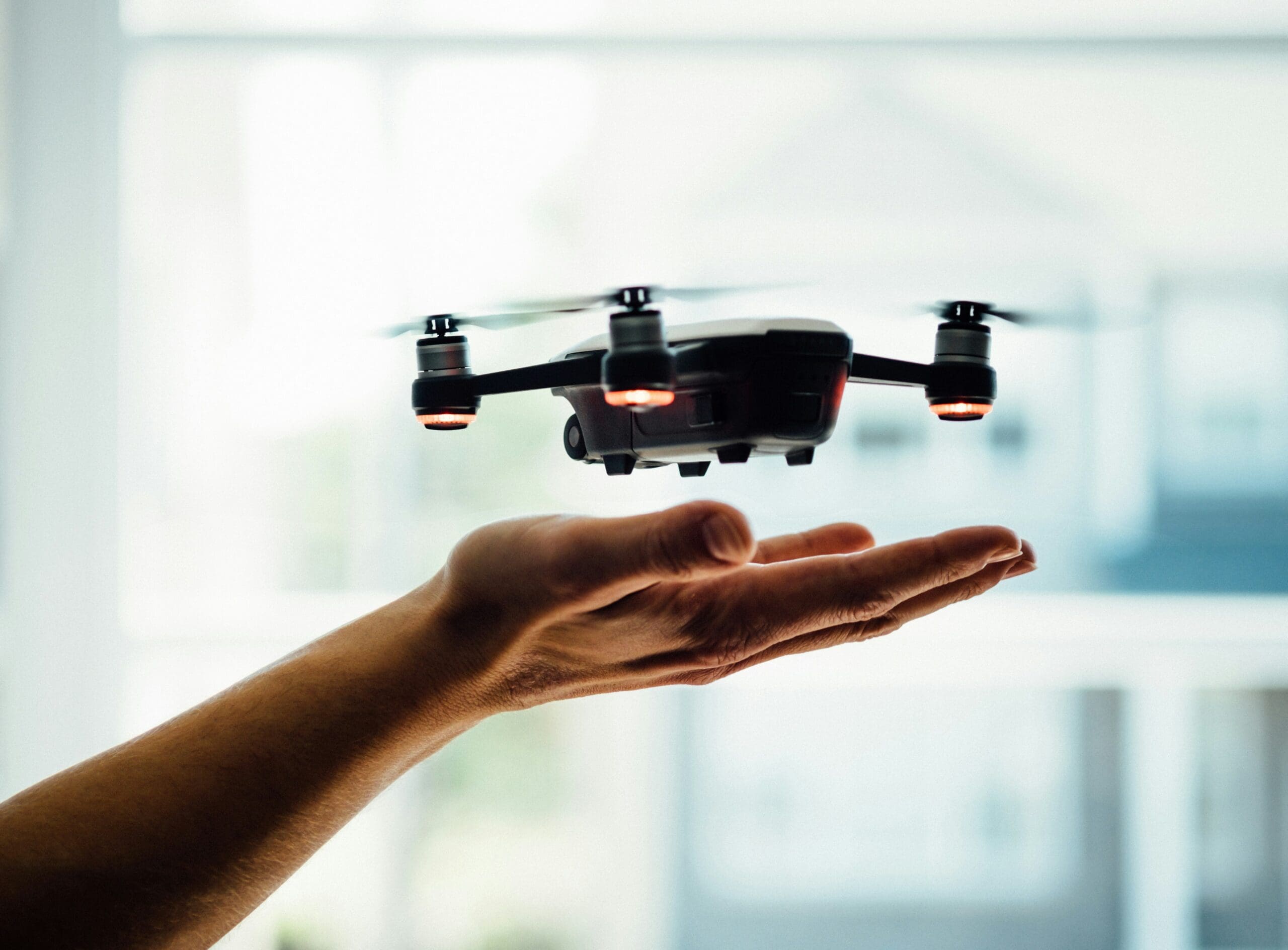
Long-endurance unmanned aircraft have traditionally faced the same limits: batteries restrict range, combustion engines add noise and heat, and payload capacity often forces trade-offs between sensors and endurance. These constraints reduce the usefulness of UAVs for missions requiring persistent coverage, long transit distances, or heavier on-board systems.
Israeli-founded Heven AeroTech is developing a different approach through hydrogen-powered unmanned aerial systems (UAS), enabling ranges far beyond conventional drones. The company’s current platforms can fly up to 1,000 kilometers, with a future variant expected to double that figure to 2,000 kilometers. By using hydrogen fuel cells, the drones achieve high energy density with a low thermal signature, allowing long-duration missions without relying on large airframes or complex logistics.
This new technology received a major vote of confidence following a recent investment from U.S.-based quantum computing company IonQ, part of a funding round that totaled $100 million. That round pushed the Israeli company’s valuation to over $1 billion, marking the company as Israel’s first “defense-tech unicorn”. The investment also signals rising interest in long-range unmanned platforms as operational concepts across defense and homeland security increasingly rely on persistent ISR, border monitoring, and distributed sensing.
The hydrogen-powered architecture solves several operational challenges. Longer endurance allows large areas to be surveyed without rotating aircraft or establishing multiple launch sites. Higher payload capacity enables drones to carry advanced sensors, secure communications equipment, or logistics loads for extended missions. Stealth-oriented shaping reduces detectability, supporting roles where a low signature is crucial.
Long-range UAVs offer value beyond reconnaissance; they can act as communication relays, maritime patrol assets, or rapid-response platforms in remote areas with limited infrastructure. Hydrogen propulsion also removes reliance on traditional fuel supply chains, which is considered an advantage in contested environments.
The company’s trajectory demonstrates how alternative energy technologies are beginning to reshape unmanned aviation. As hydrogen-powered platforms mature and endurance climbs, the boundary between small drones and long-range aircraft is narrowing, offering new possibilities for persistent, cost-efficient aerial operations across both security and civilian sectors.