

This post is also available in:
 עברית (Hebrew)
Hypersonic weapons have traditionally been associated with long development cycles, specialized materials, and extremely high production costs. These factors have limited their deployment and kept them largely in the hands of major state-run defense programs. A new system unveiled by a private Chinese aerospace firm suggests that this equation may be changing.
The company recently released footage of the YKJ-1000, a missile reported to reach Mach 5 to Mach 7 with a range of 500 to 1,300 kilometers. Unlike earlier hypersonic designs that rely on bespoke manufacturing, the system is built from commercial-grade electronics and civilian-supply-chain materials. According to statements cited by Chinese media, the missile is being mass-produced at roughly one-tenth the cost of traditional systems—an unprecedented claim in the hypersonic field.
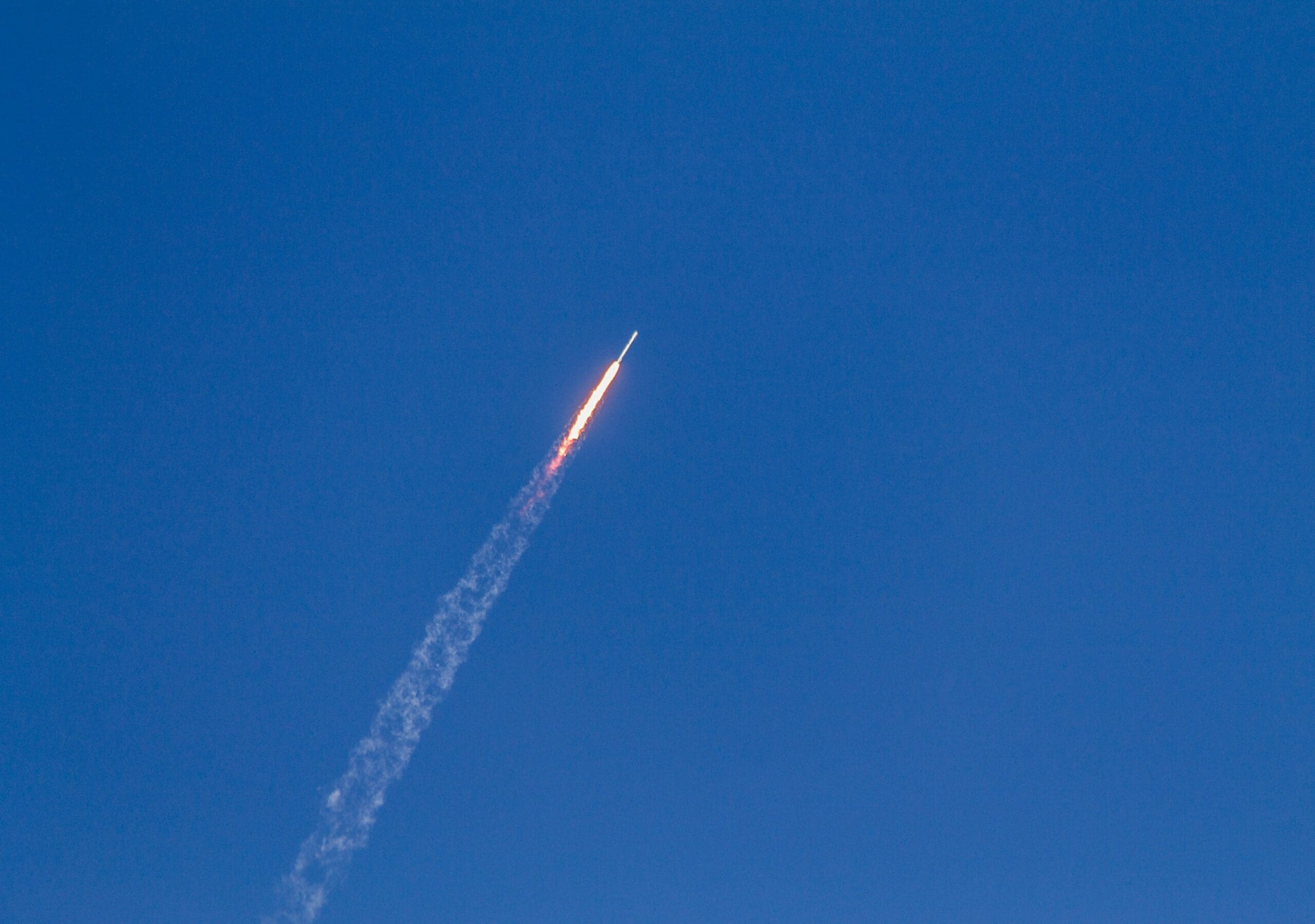
The problem the system aims to solve is clear: high-cost hypersonics are difficult to produce in quantity, limiting their tactical use. By contrast, a lower-cost platform could be deployed in larger numbers, adding pressure to existing missile-defense systems. The YKJ-1000 is launched from a container resembling a standard shipping module, allowing it to be transported on trucks, ships, or hidden within civilian-style infrastructure. Test footage shows stabilizing legs deploying before launch, followed by an autonomous flight profile that includes mid-course adjustments, evasive maneuvers, and a steep terminal dive toward the target.
According to Interesting Engineering, beyond its basic strike function, the missile reportedly carries sensors for high-speed reconnaissance. The company also highlighted future upgrades, including AI-enabled swarm coordination, which would allow multiple missiles to synchronize their flight paths or overwhelm defenses by distributing tasks across a formation. Animated sequences released by the firm depict eight missiles heading toward different targets within a shared engagement zone.
For defense organizations worldwide, the idea of a containerized, mass-produced hypersonic weapon raises notable concerns. Mobility and concealment complicate early detection, while lower cost could make saturation attacks more feasible. A system that can be deployed on mobile land platforms or civilian vessels broadens the range of possible launch locations, complicating traditional warning architectures.
The company behind the missile says the design is backed by an independent ecosystem covering propulsion, controls, aerodynamics, and thermal protection, and that it holds the necessary domestic defense certifications. Longer term, the firm is also pursuing civilian high-speed aviation concepts, including a hydrogen-powered aircraft targeting Mach 5 travel tests later this decade.
Whether the YKJ-1000 will perform as advertised remains to be seen, but its debut underscores a growing trend: hypersonic technology is moving beyond elite, state-funded programs toward industrialized production—potentially reshaping global strike capabilities in the process.























