This post is also available in:
 עברית (Hebrew)
Drones increasingly need to operate at night, through smoke and in other conditions where conventional cameras struggle. Thermal imaging can solve that problem by detecting infrared radiation rather than visible light, but every sensor added to a small aircraft consumes limited space, weight and electrical power. Improving infrared vision without making the platform larger or reducing its endurance has therefore become an important engineering challenge.
The U.S. Army is targeting that tradeoff through the Delivering Unmatched Thermal Capability Hastened (DUTCH) initiative, which aims to develop smaller, more capable and less expensive uncooled infrared sensors. Teledyne FLIR OEM has been selected to contribute its thermal-imaging and integration technology to the program.
Unlike cooled infrared detectors, uncooled thermal sensors do not require cryogenic cooling equipment to operate. That simplifies the imaging system and makes it better suited to compact platforms such as drones, weapon sights, thermal binoculars and loitering munitions.
The initiative is focused heavily on SWaP-C: size, weight, power and cost. Improving one of these factors can easily hurt another. Higher imaging performance, for example, can require larger optics or more power. The objective is to improve the thermal picture while simultaneously shrinking the hardware and making it practical to manufacture in greater quantities.
According to Interesting Engineering, one avenue involves smaller detector pixels. A thermal sensor consists of an array of pixels that respond to infrared energy. Reducing their size allows more sensing elements to fit into a compact detector or enables manufacturers to shrink the overall imaging module while preserving useful image detail.
For small UAVs, those reductions can have consequences beyond the camera itself. A lighter sensor leaves more payload capacity for batteries, communications equipment or other mission systems, while lower electrical consumption can contribute to longer flight times.
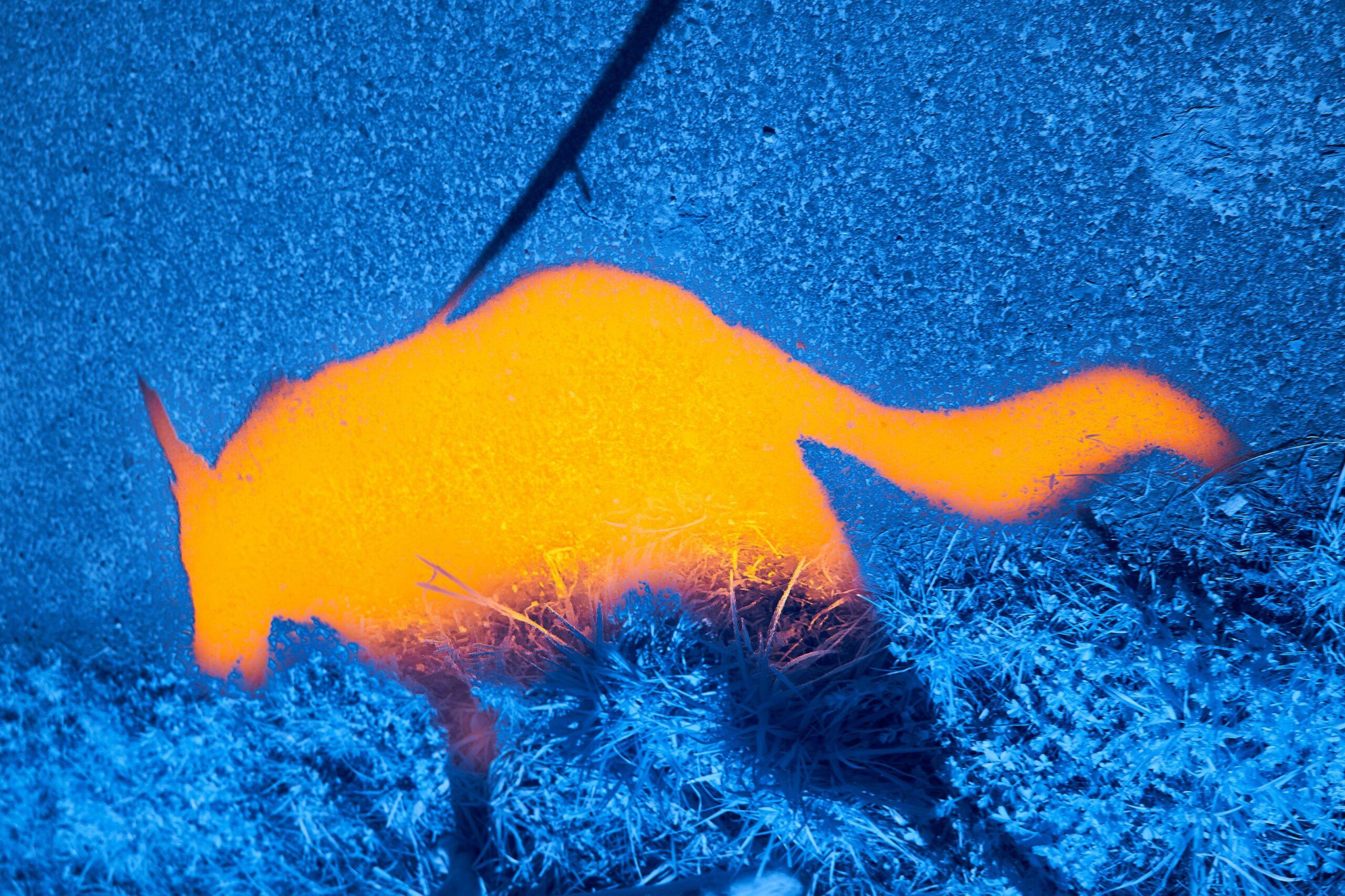
Thermal imaging is particularly valuable in defense because it detects differences in heat rather than relying on reflected daylight. UAVs can therefore use it to locate vehicles, people and other objects in darkness or when visible-light cameras are degraded by some forms of obscuration. Similar technology can provide targeting and situational awareness for ground personnel.
The Army’s objective is not limited to achieving better laboratory performance. The initiative also emphasizes lower production costs and high-volume manufacturing, reflecting the growing number of autonomous and expendable systems expected to require infrared sensors.
That manufacturing element has become increasingly important as militaries move toward deploying drones in much larger quantities. Advanced sensors that are too expensive or difficult to produce at scale can quickly become a bottleneck.
The program will now combine new sensor development with demonstrations connected to broader Army modernization efforts. If successful, it could make capable thermal imaging available to a wider range of small platforms, giving future drones better night vision without forcing them to carry a larger set of electronic eyes.