This post is also available in:
 עברית (Hebrew)
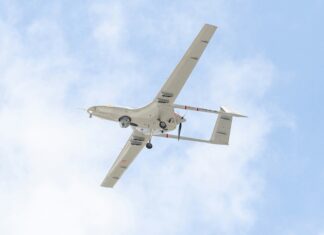
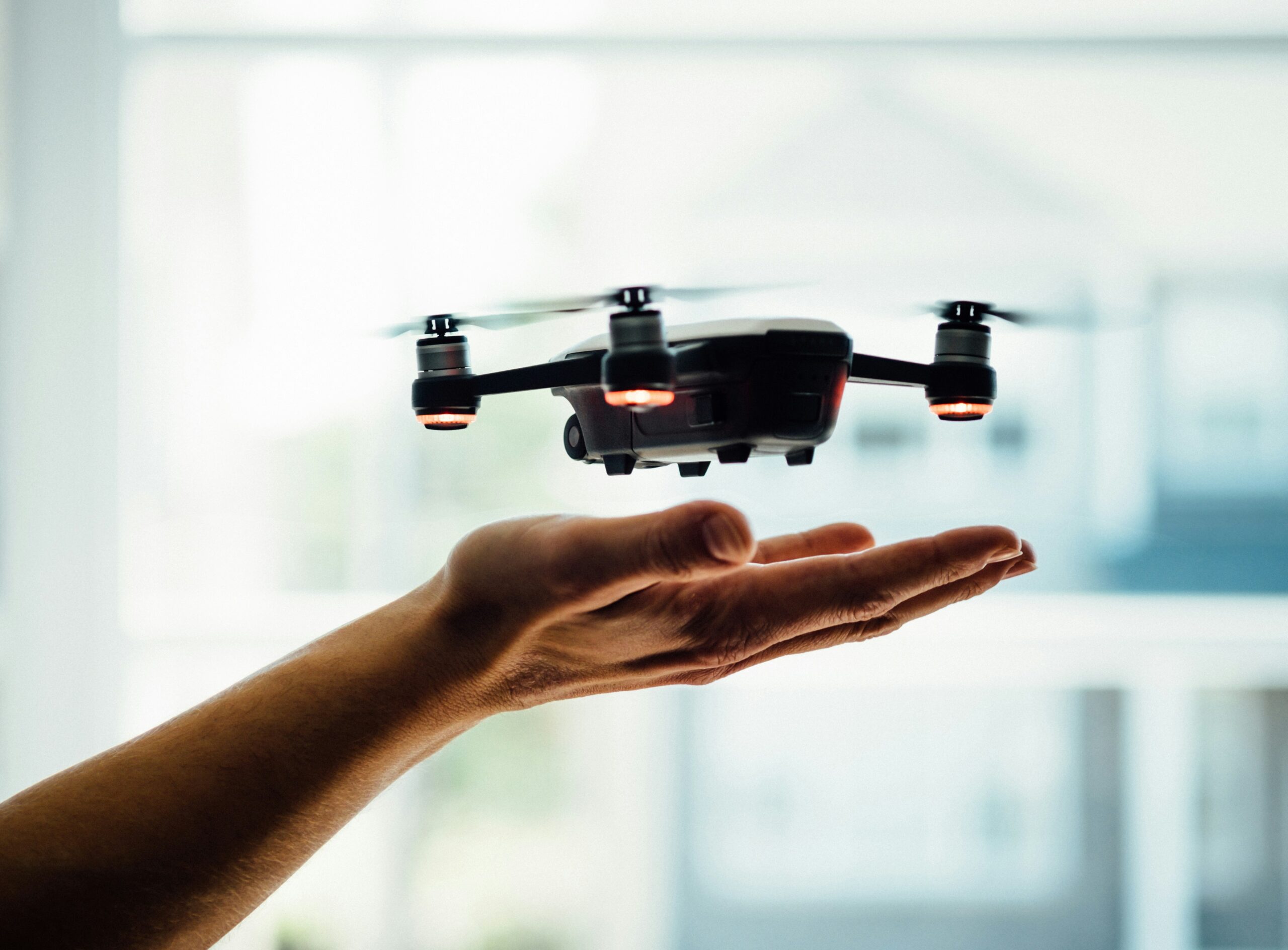
Small military drones are taking on increasingly complex missions, from reconnaissance and target tracking to autonomous navigation and coordinated swarm operations. Yet many of these aircraft are limited by the amount of computing power they can carry. When drones rely heavily on external communications or cloud-based processing, they become more vulnerable to GPS disruption, electronic warfare and degraded communications, which are conditions that are increasingly common on modern battlefields.
Lantronix and Swarmer are developing a compact computing platform designed to solve that problem by moving more processing directly onto the aircraft. The new system combines Lantronix’s Open-Q 6490CS System-on-Module with Swarmer’s autonomy software, creating an edge-computing platform intended for Group 1 unmanned aircraft systems (UAS). According to the companies, it delivers approximately four times the processing power of the current onboard solution.
Instead of sending data to remote servers for analysis, the platform performs AI processing locally on the drone. This approach, known as edge computing, allows the aircraft to make decisions even when communications are unreliable or unavailable. By processing sensor data onboard, the drone can continue navigating, recognizing targets and responding to changing conditions without depending on continuous links to ground stations.
According to Interesting Engineering, the additional computing capacity is expected to support several advanced capabilities simultaneously. These include visual navigation, which enables drones to orient themselves using onboard cameras rather than GPS alone; automated target recognition, where AI identifies objects of interest in real time; pixel lock, allowing the aircraft to maintain continuous tracking of a selected target; and sensor fusion, which combines information from multiple sensors into a more accurate understanding of the surrounding environment.
The platform has also been designed to support collaborative autonomy. The software enables a single operator to supervise missions involving large numbers of autonomous platforms, including fixed-wing drones, multirotors, ground vehicles and maritime systems. Rather than controlling each vehicle individually, operators assign mission objectives while the autonomy software coordinates the actions of multiple unmanned systems.
The technology is particularly relevant for defense applications because modern military drones increasingly operate in contested electromagnetic environments. Electronic warfare systems can jam communications and interfere with satellite navigation, making onboard decision-making essential. By giving small drones more computing power, edge AI allows them to continue functioning even when external connectivity is degraded, improving resilience during reconnaissance, surveillance and precision-strike missions.
According to the company, its autonomy software has already supported more than 100,000 combat missions in Ukraine since 2024. The new computing platform is intended to bring those same AI capabilities to smaller drones while providing a standardized, long-term hardware architecture for future defense programs. As autonomous systems continue to evolve, onboard computing is becoming just as important as the aircraft itself, enabling smaller platforms to perform increasingly sophisticated missions with greater independence.