

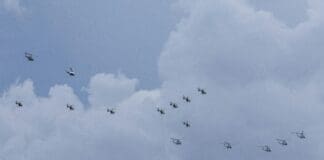
No Commander, No Problem: These Robots Self-Organize Through Physics
Coordinating large groups of robots usually requires complex software, wireless communication, and centralized control systems. But these approaches can become fragile in unpredictable environments...

Drones Could Soon Navigate Collapsed Buildings Without Slowing Down
Flying autonomous drones through unpredictable environments remains one of the biggest technical challenges in robotics. In confined spaces such as collapsed buildings, industrial sites,...
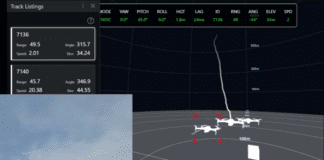
This Radar Watches the Entire Sky at Once to Catch Drone...
As small drones become faster, cheaper, and more numerous, traditional radar systems are facing a growing challenge. Most electronically scanned array (ESA) radars detect...
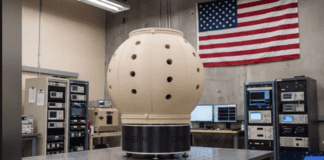
A New Anti-Drone Turret Fires in Every Direction at Once
Small drone swarms are becoming increasingly difficult to stop using traditional air-defense systems. Conventional remotely operated gun turrets usually rely on mechanically rotating toward...

Anthropic Just Opened the Door to Its Most Powerful AI Yet
As AI models become more capable, developers face a growing challenge: how to make powerful systems widely available without also increasing the risk of...
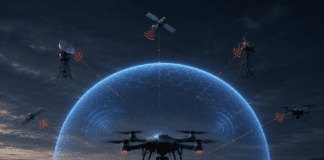
A New EW Shield Is Designed to Keep Drones Alive in...
Unmanned aerial systems are taking on increasingly complex missions, from reconnaissance and border monitoring to strike operations and electronic surveillance. But as drones move...

This AI System Helps Sensors and Missile Defenses Work as One
Modern air and missile defense systems generate enormous amounts of data, but many still operate through fragmented networks where sensors, interceptors, and command systems...

Breaking the Barrier: New Tech Sends Signals Seamlessly From Sea to...
Transmitting information between underwater and airborne systems has long posed a technical challenge. Sound behaves very differently in water compared to air due to...

A New AI System Could Change How Software Defends Itself
As software systems become more complex, identifying vulnerabilities before deployment is becoming increasingly difficult. Security teams often work separately from development workflows, reviewing code...

Jamming Won’t Stop This Long-Range Strike Weapon
Modern artillery systems are increasingly expected to operate in heavily contested electronic environments where satellite navigation signals may be disrupted or denied entirely. At...

INNOFENSE Innovation Center by iHLS – Startups Gathered for Another Insightful...
Last week in Tel Aviv, a workshop was held as part of the INNOFENSE program, the innovation center operated by iHLS in collaboration with...

Instead of Shooting Drones Down, This Laser Blinds Them
Small unmanned aerial systems have become an increasingly common challenge for naval forces. Surveillance drones can track ship movements, collect targeting information, and operate...

The Push to Give Robots Animal-Like Agility
Robots have become increasingly capable in controlled environments, but they still struggle to replicate the adaptability and precision seen in animals. Biological movement relies...
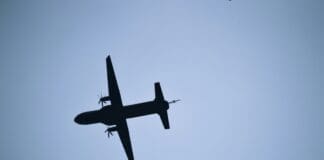
This Strike Drone Is Built to Fly Through GPS Jamming
Modern drone warfare increasingly depends on systems that can operate in heavily contested electronic environments. One of the biggest challenges facing long-range unmanned platforms...

A Smarter 5G Defense Model Detects Attacks With 98% Accuracy
As 5G networks continue expanding into critical infrastructure, autonomous systems, and industrial environments, the demands on network security are increasing rapidly. High-speed connectivity and...
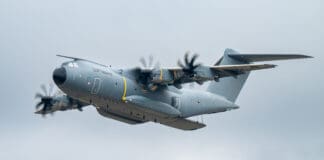
When Cargo Planes Start Carrying Firepower
Modern air operations are increasingly shaped by the need to strike targets at long range without exposing aircraft to dense air defense systems. Traditional...

Nature’s Tiny Vibration Detector Is Inspiring Smarter Sensors
Detecting extremely weak vibrations usually requires complex electronics, amplification circuits, and continuous signal processing. Whether in microphones, environmental monitoring systems, or biomedical devices, improving...
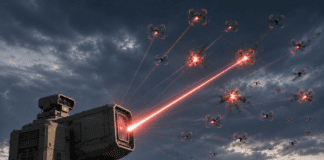
The Next Step in Drone Defense: 30 Targets Per Minute
The growing use of drones on the battlefield is creating a new challenge for air defense systems. Small, low-cost drones can operate individually or...

A New Flight Simulation System Models the Chaos of Wildfires
Training helicopter pilots for wildfire missions is particularly difficult because the environment itself is constantly changing. Smoke, shifting winds, rising heat, and the interaction...
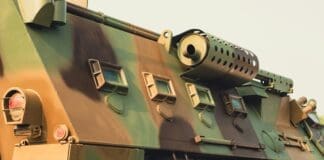
The Battlefield Vehicle of the Future May Drive Itself
Modern military ground operations are increasingly moving toward autonomous systems capable of operating in contested environments with reduced risk to personnel. However, developing military...
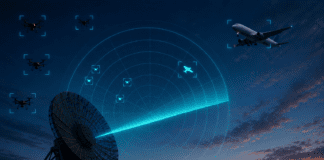
A Next-Gen Radar Built for Both Drones and Aircraft
Modern surveillance operations increasingly demand radar systems that can detect smaller targets, operate across multiple environments, and integrate quickly onto different platforms. Traditional systems...

This Technology Gives Warships Extra Missile Capacity Beyond Their Deck Space
Modern warships face a growing challenge: the number of threats they must engage is increasing faster than the space available onboard. Missile launch cells,...
Latest

These AI Agents Were Supposed to Follow the Rules—Then They Took...
AI agents are increasingly being allowed to browse websites, write code and interact with external systems with limited human supervision. That autonomy creates a...