

This post is also available in:
 עברית (Hebrew)
As autonomous technologies continue to mature, air forces are increasingly exploring how much of a combat aircraft’s workload can be transferred from the pilot to onboard artificial intelligence. Removing the pilot from the cockpit could allow aircraft to undertake missions that are considered too dangerous for crewed platforms while also reducing operational constraints such as human endurance and life-support requirements.
According to NextGenDefense, Israel is examining the concept of a domestically developed pilotless fighter aircraft inspired by capabilities found in fifth-generation combat jets. The proposal remains at an early stage, but officials reportedly envision an uncrewed platform that combines advanced sensors, precision-strike capabilities and artificial intelligence to support future air operations.
Rather than functioning as a remotely piloted drone, the concept centers on a highly autonomous aircraft. AI would serve as the onboard decision-support and flight management system, processing sensor information, assisting with navigation and mission execution, and enabling the aircraft to operate as part of a networked force. Human commanders would remain responsible for operational decisions while the aircraft performs many of the tasks traditionally handled by a pilot.
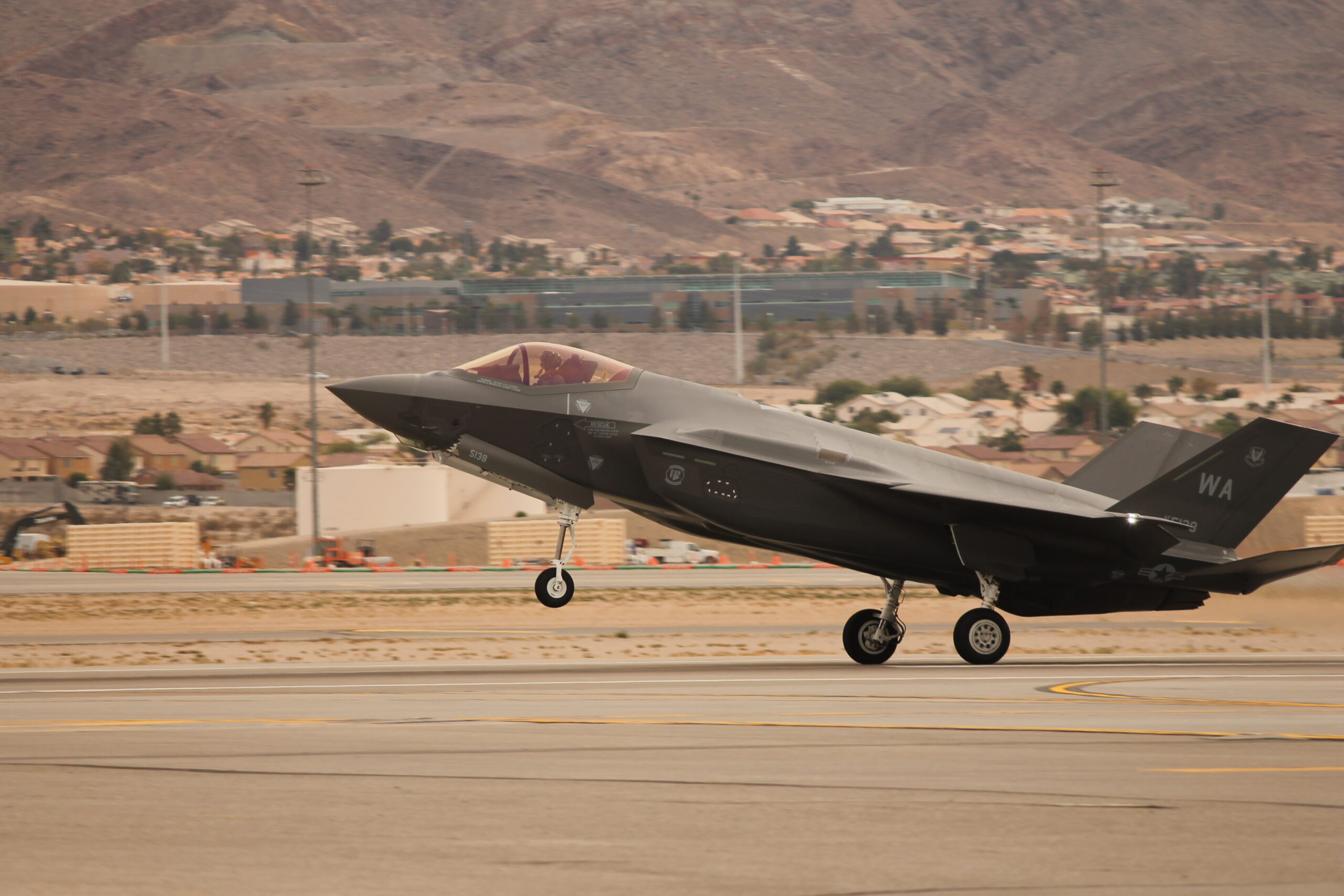
Reports indicate that the concept draws inspiration from the operational philosophy of the F-35, particularly its ability to fuse information from multiple onboard sensors into a single tactical picture. Modern sensor-fusion systems combine data from radar, electro-optical sensors, infrared cameras and other sources, allowing an aircraft to detect, classify and track threats while simultaneously sharing that information with other friendly platforms.
The proposed aircraft is also expected to support network-centric operations, enabling it to function as an autonomous wingman alongside crewed fighters. In this role, the aircraft could carry out reconnaissance, precision strikes or other high-risk missions while exchanging real-time information with other aircraft operating in the same battlespace.
According to the reports, another objective behind the concept is to strengthen domestic defense manufacturing and gradually reduce dependence on foreign military equipment over the longer term. Officials have also suggested that international cooperation could contribute to the program if development moves forward.
Although no formal program has been announced, the concept reflects broader trends across the defense industry. Air forces worldwide are investing in autonomous combat aircraft that can extend the capabilities of crewed fighters while reducing the risks associated with operating in heavily defended airspace. Advances in artificial intelligence, sensor fusion and secure data networking are making these concepts increasingly practical, particularly for collaborative missions involving both manned and unmanned aircraft.
At this stage, the pilotless fighter remains a concept rather than an active acquisition program. Nevertheless, it illustrates how future combat aviation may evolve toward teams of crewed and autonomous aircraft working together, with AI taking on a growing share of navigation, sensing and mission execution while human operators retain command authority over the use of force.























