This post is also available in:
 עברית (Hebrew)
Artificial intelligence is rapidly moving from assisting pilots to flying aircraft autonomously. While autonomous flight software has become increasingly capable of navigating, avoiding obstacles and carrying out missions, one major challenge remains: trust. Before AI can be widely adopted in military or civilian aviation, operators must be confident that the software behaves reliably, integrates safely with onboard systems and does not require extensive validation every time it is installed on a new aircraft.
Honeywell Aerospace and Shield AI are working to address that challenge through a new collaboration focused on building a common software foundation for autonomous flight. Under a memorandum of understanding, Honeywell will develop a trusted autonomy software stack using Shield AI’s Hivemind software development kit, combining it with Honeywell’s certified avionics, navigation systems and onboard sensors.
The software is a mission autonomy platform designed to allow aircraft to fly without continuous human control. Rather than being tailored to a single vehicle, it provides a reusable software architecture that can be adapted to multiple aircraft types. According to NextGenDefense, the platform enables autonomous navigation, mission execution and coordination with other autonomous systems, reducing the need to develop new flight software from scratch for every program.
The stack focuses on the aircraft systems that AI depends on to make safe decisions. Its avionics continuously process flight information, while navigation systems determine the aircraft’s position and movement. Sensors provide real-time awareness of the surrounding environment, supplying the autonomy software with the information it needs to identify obstacles, monitor aircraft status and execute missions. By integrating these certified systems directly into the sfotware, the companies aim to create an architecture that can be trusted across multiple platforms instead of undergoing complete revalidation for each new aircraft.
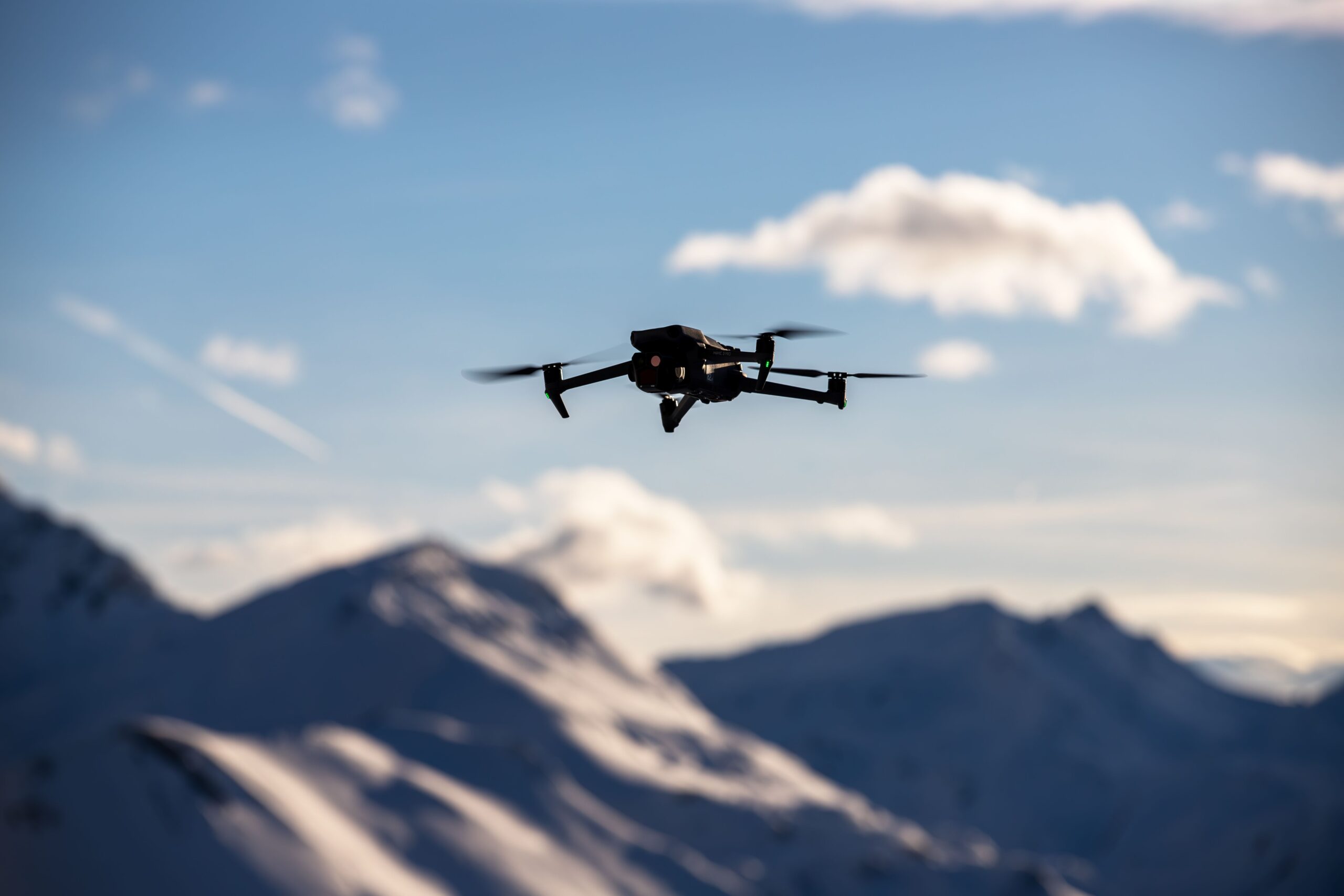
The collaboration also reflects a broader trend toward modular autonomous aviation. Rather than designing tightly integrated, platform-specific systems, developers are increasingly separating autonomy software from the aircraft itself. This approach allows the same AI capabilities to be transferred more easily between drones, helicopters and fixed-wing aircraft while simplifying future upgrades.
Although the companies also see potential commercial applications, the technology is particularly relevant for defense. Autonomous aircraft are expected to play an expanding role in intelligence gathering, logistics, collaborative combat operations and other missions where reducing pilot workload, or removing pilots from high-risk environments altogether, can improve operational effectiveness. A trusted software architecture could accelerate the fielding of these systems while helping operators integrate autonomy into existing fleets more efficiently.
As autonomous aviation continues to mature, the emphasis is shifting from proving that AI can fly an aircraft to ensuring that it can do so safely, consistently and at scale. By combining reusable mission autonomy with certified flight systems, the partnership seeks to provide a common technological foundation for the next generation of AI-piloted aircraft.