This post is also available in:
 עברית (Hebrew)
Keeping drones operational around the clock requires more than aircraft and trained operators. Batteries must be recharged, drones need to be launched and recovered, and forward units must maintain a reliable electricity supply. In remote or contested environments, these requirements can create logistical problems and force personnel to expose themselves during routine drone operations.
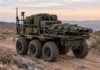
A new system called the Persistent Drone Operations Nanogrid aims to address these challenges by combining renewable power generation, automated drone handling and unmanned aircraft into a single mobile platform.
Developed through a collaboration between Sesame Solar, Target Arm and AG3 Labs, the system is designed to support extended drone operations without conventional fuel deliveries or personnel physically present at the launch site.
Its energy infrastructure comes from Sesame Solar’s mobile power-generation technology, which produces and stores electricity for drone operations. Operators can monitor the system’s energy performance remotely, reducing the need for personnel to remain at the installation.
According to Interesting Engineering, the drone-handling component uses Target Arm’s Ralar robotic system, which automatically launches and recovers aircraft. It can operate from stationary locations or moving vehicles and boats, allowing missions to continue without requiring the host platform to stop.
Dedicated drone magazines work alongside the robotic arm to cycle aircraft through deployment, recovery and recharging. The architecture is intended to support continuous operations, with the developers targeting 24/7 availability.
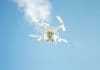
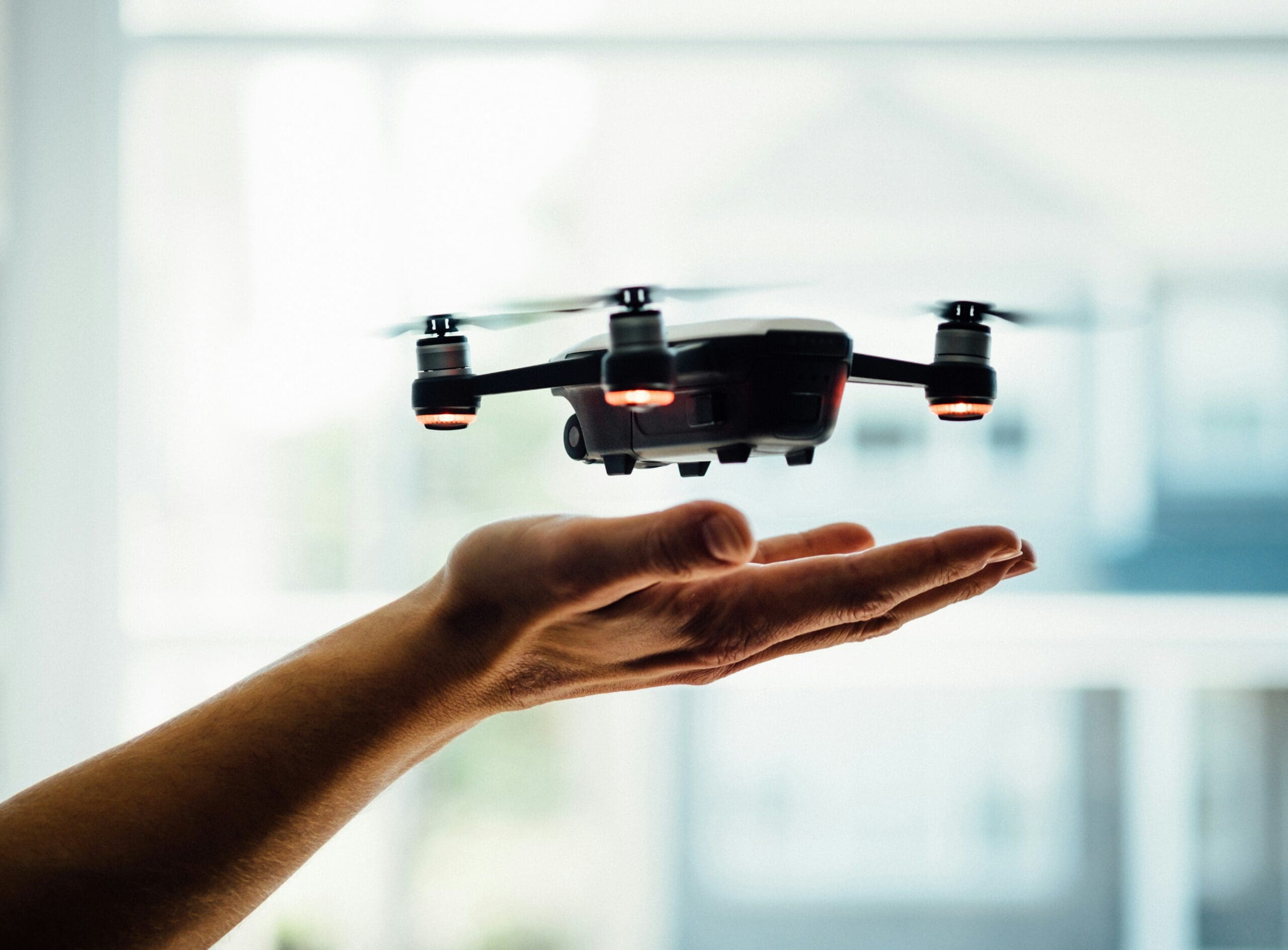
The system incorporates AG3 Labs’ SPADE, a small Group 1 drone that can be reconfigured for different missions. Available roles include intelligence, surveillance and reconnaissance (ISR), communications relay and, for defense applications, carrying kinetic payloads.
The drone can operate individually or as part of an autonomous swarm, with one operator managing multiple aircraft.
This combination could be particularly useful for military units operating far from established bases. Instead of repeatedly transporting fuel, batteries and personnel to a forward drone position, a mobile system could provide local power and automate much of the aircraft-handling process.
The technology also has applications in border security, law enforcement and emergency response, where persistent aerial monitoring may be required without maintaining a permanent crew at every location.
The system is available as a standalone system or in configurations linking two to twelve units into a mobile microgrid. These networks can also supply electricity to portable batteries and other equipment used by deployed personnel.
The developers describe the system as an integrated solution, although operational endurance figures and independent performance results have not been disclosed.
Its main advantage lies in addressing the infrastructure surrounding drone operations rather than improving the aircraft alone. By combining local energy generation with robotic launch, recovery and charging, the system could allow drones to remain available for repeated missions while reducing both logistical demands and personnel exposure.