This post is also available in:
 עברית (Hebrew)
Electric boats face a problem familiar from the early days of electric cars: propulsion technology can advance faster than the infrastructure needed to recharge it. For commercial vessels, that challenge is particularly difficult because many docks, canals and remote waterfront locations do not have the electrical connections needed for high-power charging.
A new demonstration in New York will test a different solution: bring the electricity to the boat.
Photon Marine is developing ChargeBarge, a 9.7-meter floating battery platform designed to store electricity and deliver it to vessels where charging infrastructure is unavailable. The system will be tested alongside a 40-kilowatt marine fast charger and an electric workboat under a $1 million marine-electrification project.
According to Interesting Engineering, instead of installing permanent high-power chargers at every possible destination, the platform can move stored energy between waterfront locations. The platform will carry battery storage and charging equipment, allowing it to support vessel-to-vessel charging, remote fleet operations and temporary deployments.
It could also provide emergency electricity during grid outages.
The other half of the charging network will be a 40-kW DC fast charger installed as fixed infrastructure for commercial, government and recreational vessels. Together, the two systems offer different approaches: permanent charging where electrical infrastructure exists and mobile battery capacity where it does not.
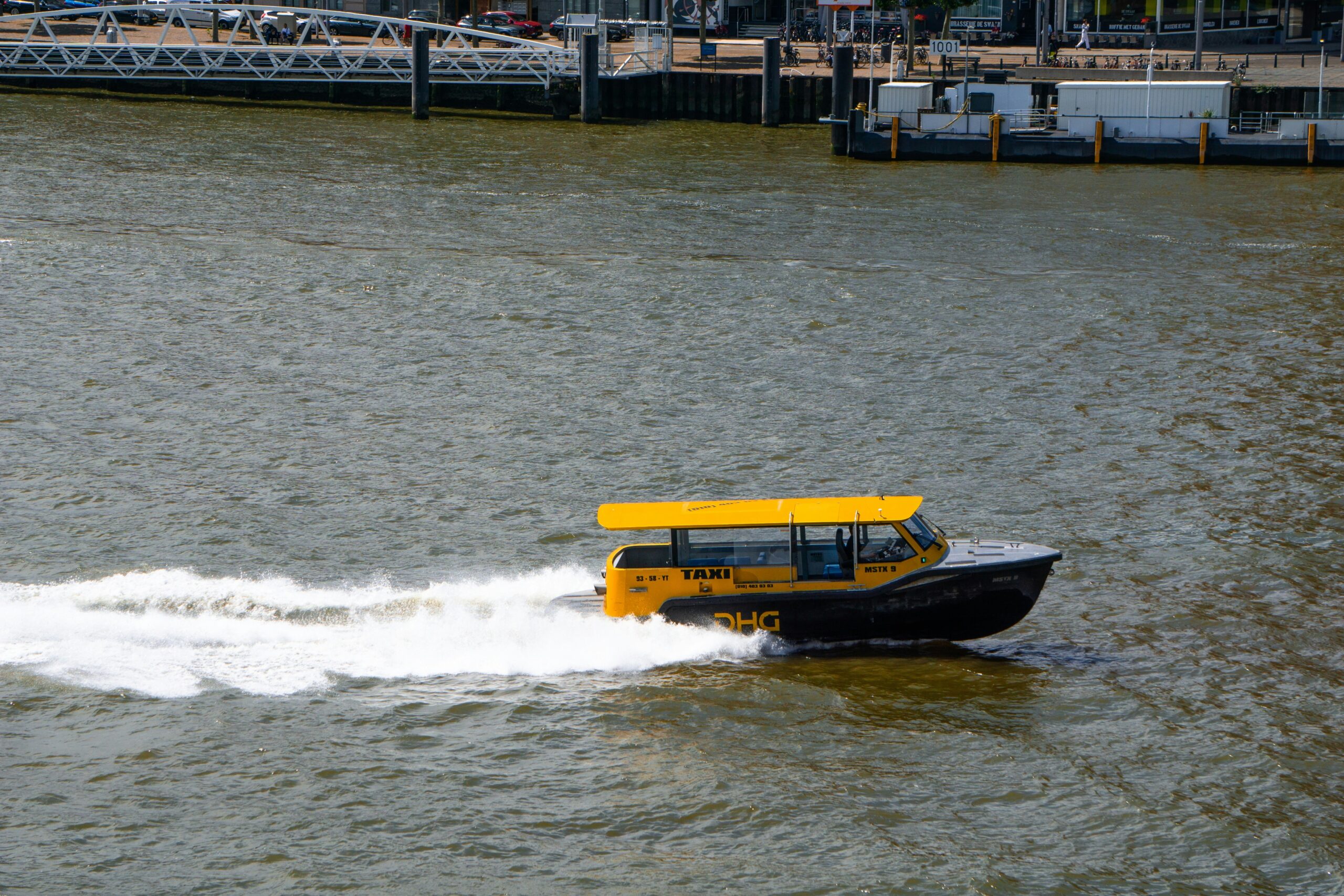
The demonstration will use a 7.3-meter workboat powered by Photon Marine’s Gen-7 P300 electric propulsion system. The vessel has already operated on the New York State Canal System, but the new project will test the propulsion system, fixed charger and floating battery as one connected ecosystem.
Researchers will collect information about vessel performance, battery state of charge and health, charging patterns and operational duty cycles. The project will also examine energy transfers between vessels and potential interaction with the electrical grid.
The technology could have particular value for public-safety and homeland-security fleets. Patrol, emergency-response and environmental-monitoring boats may operate from temporary or remote waterfront locations where installing permanent charging infrastructure is impractical. A mobile battery platform could potentially support such vessels without tying them to a fully equipped dock.
Commercial operators face the same challenge. Workboats used for harbor maintenance and other demanding jobs require both reliable propulsion and predictable access to energy before fleets can move away from conventional engines.
The project is expected to culminate in late 2027 or early 2028, with its operational data being used to develop a broader fleet-electrification playbook.
The platform addresses marine electrification from the infrastructure side. Instead of waiting until every dock has a charger, the idea is to make the charger, and the energy behind it, mobile enough to follow the boats.