This post is also available in:
 עברית (Hebrew)
Extreme long-range shooting pushes multiple technologies to their limits. At distances measured in kilometers rather than meters, even small variations in ammunition, optics, wind conditions, or ballistic stability can cause significant misses. Maintaining precision at those ranges requires far more than a powerful rifle alone – it depends on tightly integrated systems working together under highly controlled conditions.
Recent statements from two Chinese defense-related manufacturers (Chongqing Changjiang Electric Appliances Industries Group and Hunan Huanan OptoElectronic Group) have sparked speculation that a new milestone in long-range precision shooting may have been reached. Although no independently verified technical data has been released, the announcements suggest that a system involving specialized ammunition and military-grade optics may have surpassed previous benchmarks during a sniper-focused test.
According to Interesting Engineering, the first indication came from an ammunition manufacturer that claimed one of its products had “refreshed the world record for similar products” during a specialized trial. Shortly afterward, a military optics supplier stated that one of its optical systems had supported a “sniper-specific test” that also set a new record in the same field. Neither company disclosed exact distances, environmental conditions, or detailed system specifications.
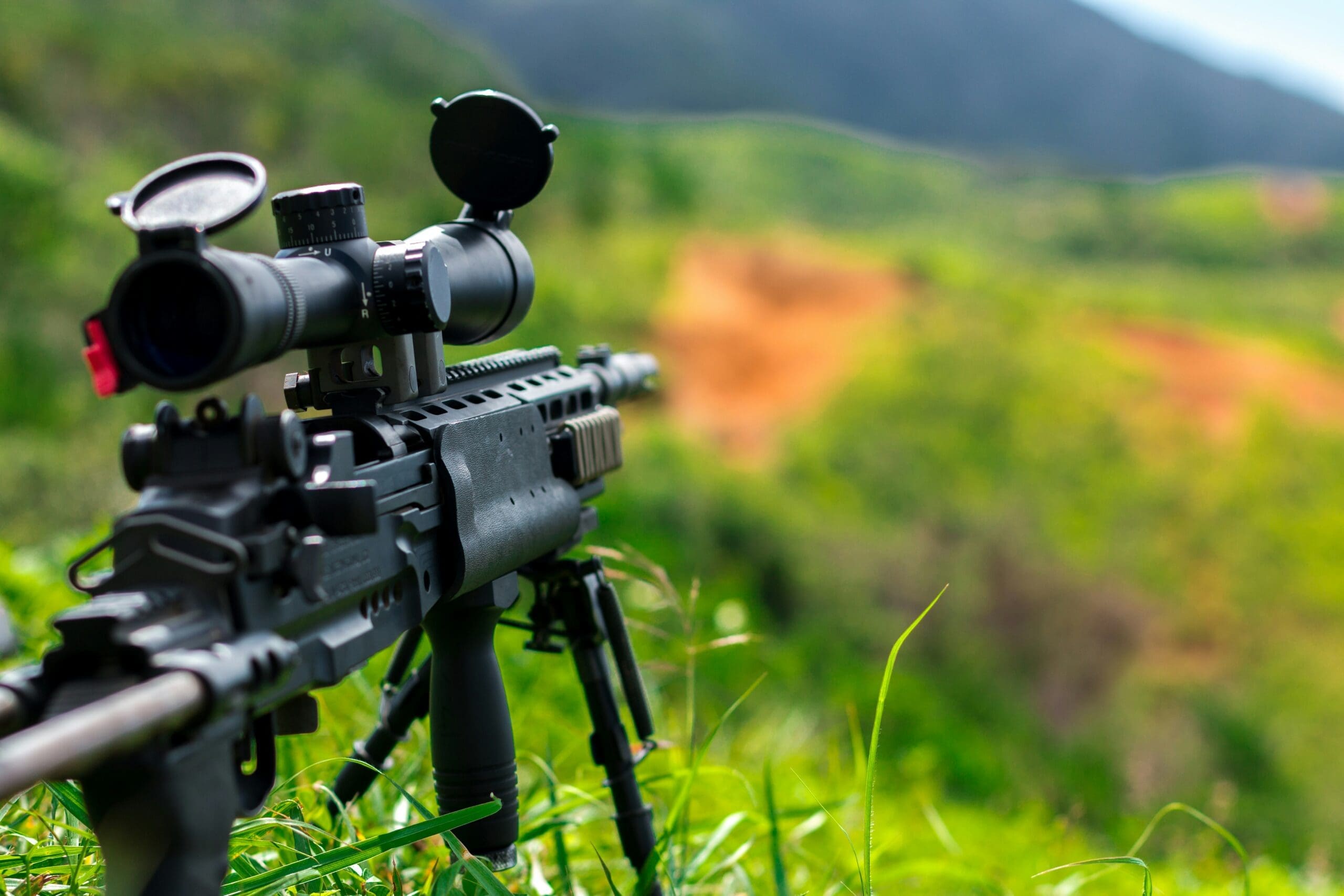
Attention has focused on a domestically developed rifle platform previously associated with successful long-range testing using 8.6mm ammunition, equivalent to the Western .338 caliber class. This caliber occupies a middle ground between standard rifle rounds and larger anti-materiel cartridges, balancing recoil, precision, and extended-range performance. Earlier testing reportedly achieved consistent target hits at nearly 3,048 meters, fueling speculation that newer trials may have pushed even further.
Beyond the rifle itself, extreme-range capability depends heavily on optics and ballistic consistency. High-precision scopes must maintain stable optical alignment while providing clear imaging across long distances. Ammunition must also perform within very tight tolerances to ensure predictable flight behavior over extended trajectories.
From a defense perspective, long-range precision systems remain strategically important for counter-sniper operations, and specialized engagement scenarios. Advances in optics, ammunition design, and ballistic modeling can significantly extend effective engagement distances while reducing exposure for operators.
At the same time, detailed technical data surrounding such systems is often kept confidential. Precise performance figures can reveal operational capabilities and limitations, making public disclosures highly sensitive in military contexts.
While the latest claims remain unverified publicly, they highlight the continuing global focus on pushing the limits of long-range precision technology.