This post is also available in:
 עברית (Hebrew)
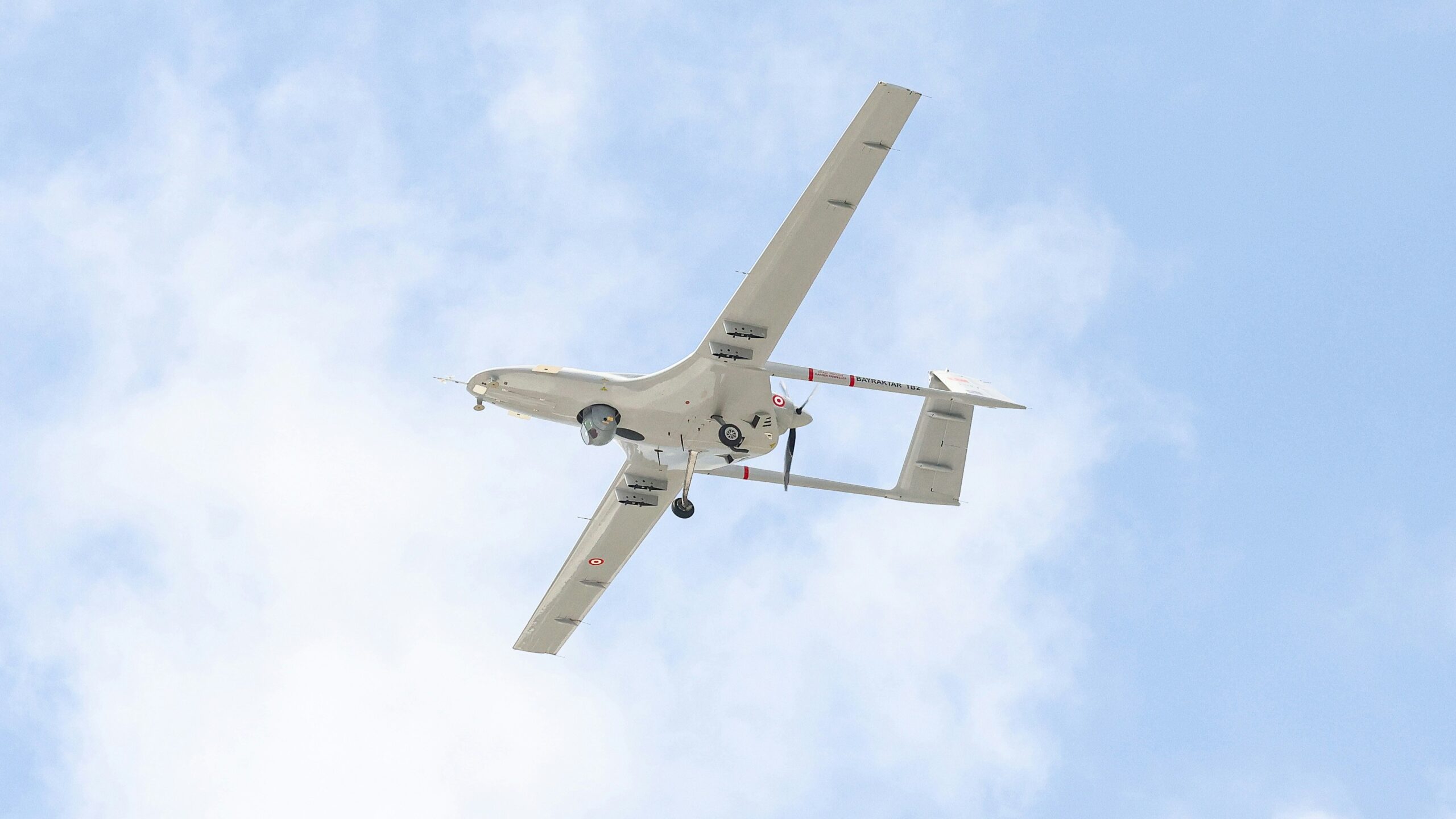
Collaborative combat aircraft are being developed to fly alongside crewed fighters, carrying sensors, electronic warfare equipment or weapons while taking on missions that may be too risky for pilots. But making these autonomous aircraft useful in a real conflict requires more than advanced drones. Forces also need a way to command them from dispersed locations without relying on large, permanent control facilities.
The U.S. Department of the Air Force has completed an initial evaluation of a Command and Control Enclave (C2E) prototype designed to provide tactical control of future collaborative combat aircraft, or CCAs. The portable system is intended to give personnel a deployable command center that can move with combat units and operate under austere conditions.
Testing took place at Springfield Air National Guard Base, where teams first focused on the prototype’s physical footprint and mobility. The prototype was evaluated under simulated conditions intended to determine whether it could be transported, rapidly established and operated away from conventional infrastructure.
According to NextGenDefense, that capability is particularly important for Agile Combat Employment (ACE), an operational concept based on dispersing aircraft and personnel across multiple locations rather than concentrating them at a handful of major air bases. If fighters and CCAs can relocate quickly but their control infrastructure cannot, much of that flexibility is lost.
The evaluation also examined the software behind the system. Participating vendors conducted dynamic demonstrations to assess responsiveness and connectivity, two important requirements when operators must communicate with autonomous aircraft and exchange mission information across a wider combat network.
The prototype is not intended to turn CCAs into conventional remotely piloted drones. Collaborative aircraft are expected to use onboard autonomy to handle many aspects of flight and mission execution themselves. Human operators would instead provide tactical and mission-level direction, with the command system acting as the interface between personnel and the autonomous aircraft.
The first evaluation will support the selection of a prototype integrator. The chosen prototype is expected to move into further testing with the Experimental Operations Unit and eventually connect directly with production collaborative combat aircraft.
A second prototype phase will focus on cloud capabilities, examining how the system processes, shares and accesses information across distributed operations.
For defense forces, portable command infrastructure could become almost as important as the autonomous aircraft it controls. Fixed command centers are easier to locate and may be vulnerable during a high-end conflict. Smaller deployable systems could allow CCA operations to continue as units move between dispersed bases.
The test therefore addresses a less visible part of autonomous airpower: not how the drones fly, but how humans will control them when the battlefield itself forces the command post to keep moving.