This post is also available in:
 עברית (Hebrew)
Commercial drones have become a standard operational tool for military and law enforcement forces in recent years, but their widespread use raises a strategic concern: a significant share of the global market is controlled by Chinese manufacturers. Beyond dependence on foreign supply chains during emergencies, the use of Chinese-made components and systems has also raised concerns over data security and the potential for external parties to gain access to information collected during operations.
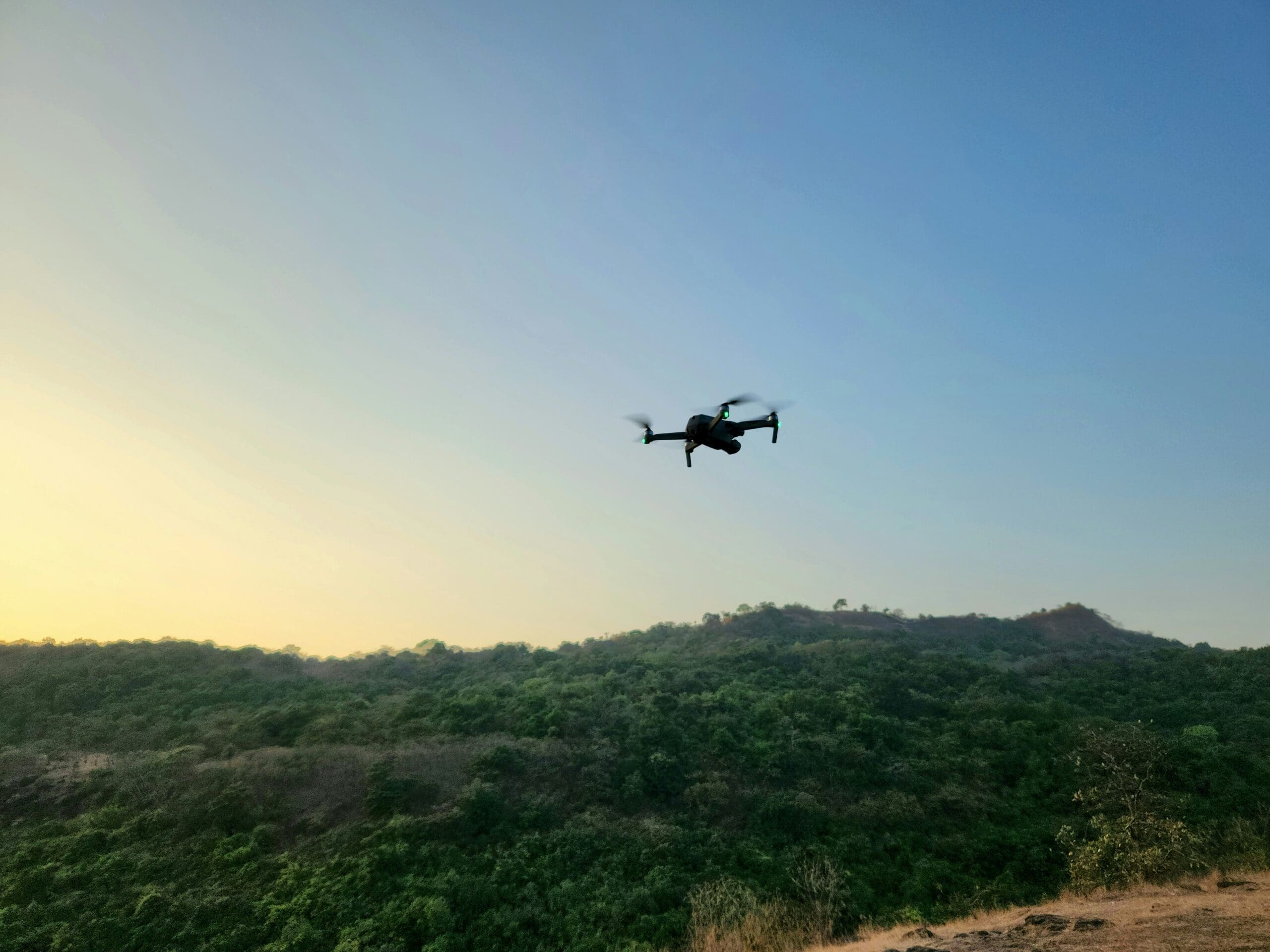
Against this backdrop, Israeli drone manufacturer Aero Sentinel is shifting from manual assembly to mass production in an effort to provide a domestic alternative to Chinese surveillance drones used by security forces, among others. The move comes after an Iranian missile destroyed the company’s Petah Tikva factory in April, shortly after Valorix acquired a 70% stake in the company for 35 million shekels.
The drones are currently assembled by hand, limiting peak production to approximately 30 units per month. The introduction of injection molding equipment is expected to increase output to between 100 and 150 drones per month. Scaling production is also expected to reduce the price per unit from around $30,000 to $20,000–$25,000, putting the company on track to reach a target of approximately 1,000 drones annually by 2029.
Prices would nevertheless remain higher than some Chinese alternatives. Autel’s EVO drones, thousands of which have been purchased for the IDF, are priced at approximately $10,000–$15,000 per unit, while other Western alternatives can cost between $35,000 and $50,000. The challenge, therefore, is not simply to manufacture the systems domestically, but to achieve sufficient scale to narrow the price gap.
At the same time, a new drone scheduled to be unveiled in November is being designed to operate in environments affected by GPS disruption through visual positioning. Rather than relying solely on satellite navigation, the aircraft uses cameras and visual information to estimate its location and continue its mission when GPS signals are degraded or unavailable. It is also expected to incorporate a camera supplied by NextVision, while Chinese-made components are expected to account for less than 5% of the overall system.
Another advantage of the company’s existing drones is their endurance, with flight times of approximately 80–90 minutes. The platforms are already used by IDF special units and by police for intelligence-gathering missions and tear gas deployment. The transition to serial production is intended to move the drones beyond primarily specialized units and make them viable for procurement in larger quantities, gradually reducing dependence on foreign-made platforms for security operations.