This post is also available in:
 עברית (Hebrew)
Counter-drone systems are becoming an essential part of military base protection, but knowing whether they will perform as expected during a real attack remains a difficult challenge. A defensive network may work well against one type of drone or attack pattern yet leave vulnerabilities that only become apparent during combat. Identifying those weaknesses before deployment can be the difference between stopping an attack and allowing a threat to slip through.
Althimis has developed a platform designed to uncover those vulnerabilities before they are exploited. Called Guardian, the system evaluates counter-drone defenses by simulating realistic attack scenarios and measuring how effectively operators and sensors respond. Rather than simply confirming that a system works, the platform aims to show exactly where and under what conditions it fails.
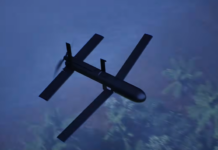
The technology recently completed its first live demonstration during the Bundeswehr Cyber Innovation Hub Startup Demo Day, where military personnel configured a defensive network before facing a series of simulated drone attacks generated by the company’s AI Chaos Engine (A²CE).
According to NextGenDefense, instead of replaying identical attack patterns, the AI generates different scenarios that challenge the defensive system from multiple directions and under varying conditions. It continuously monitors each simulated threat and records how the defensive network reacts. It determines whether a target is detected and intercepted immediately, neutralized only after a delay, or missed entirely.
The results are presented as a visual assessment of the defensive network, allowing operators to identify blind spots, delayed responses and areas where tactics or sensor placement can be improved. This makes it possible to refine defensive procedures before a system is deployed rather than discovering weaknesses during an actual attack.
The platform also serves as an objective testing tool. By exposing military personnel to realistic scenarios generated by AI, it provides measurable data on how different configurations perform under operational conditions. The recent demonstration represented the system’s first real-world evaluation and gave users an opportunity to assess both its capabilities and limitations.
As drone threats continue to evolve, technologies such as this are becoming increasingly relevant for defense organizations. Counter-drone systems now combine radar, electro-optical sensors, radio-frequency detectors and electronic warfare tools into layered architectures, but determining the most effective configuration remains a complex task. AI-generated testing environments can help shorten that process by rapidly exploring scenarios that would be difficult and expensive to recreate during live exercises.
Following the successful demonstration, it is expected to undergo additional operational evaluations in the coming months. As militaries increasingly rely on autonomous systems and layered air-defense networks, AI platforms capable of identifying weaknesses before an adversary does could become an important part of preparing counter-drone defenses for real-world operations.