This post is also available in:
 עברית (Hebrew)
Modern fighter pilots are expected to process enormous amounts of information while flying at high speed, tracking multiple airborne threats and coordinating with other aircraft. As future air combat becomes more complex, particularly with the introduction of autonomous wingmen and collaborative drones, militaries are looking for ways to reduce pilot workload without removing humans from critical decisions.
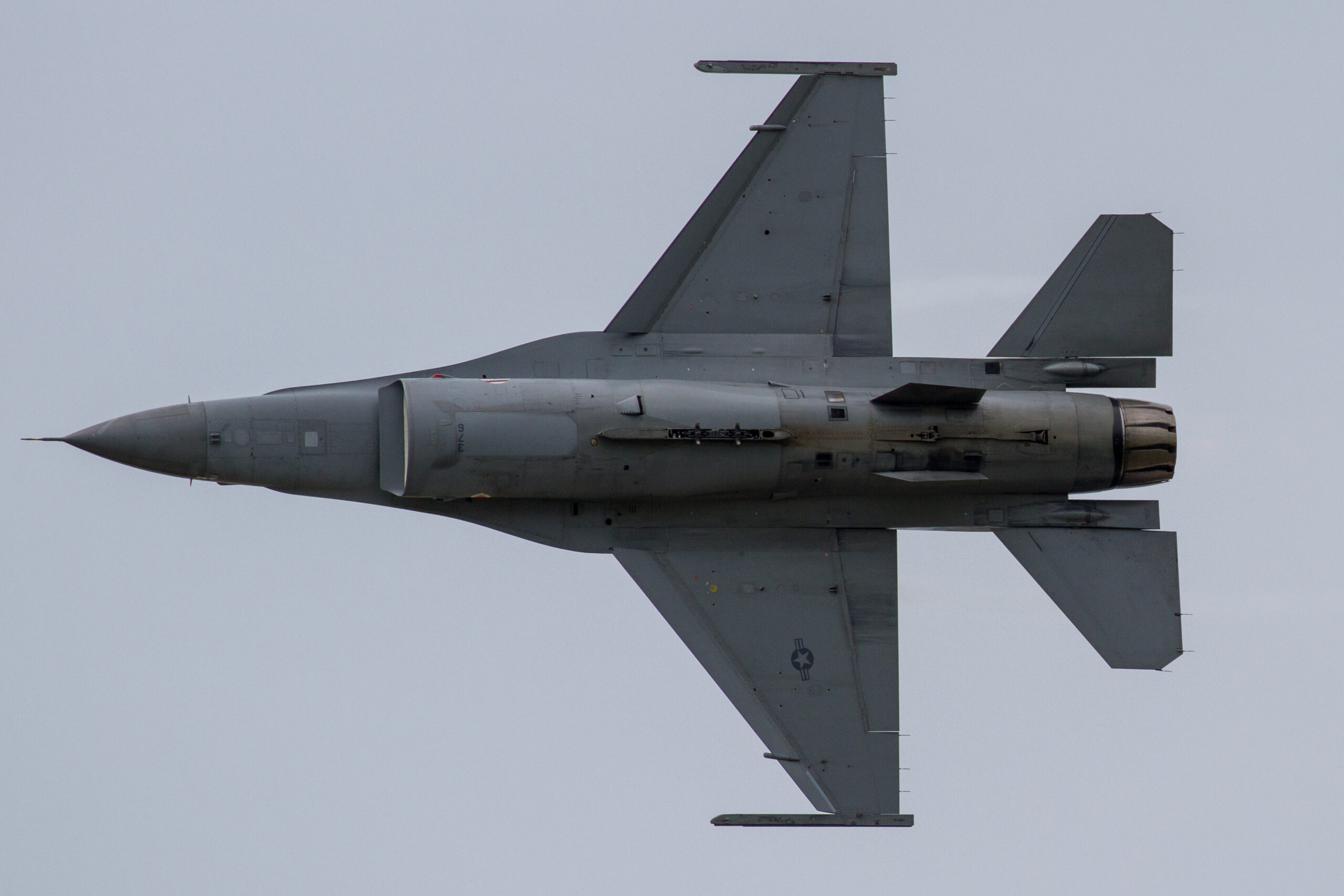
A recent flight demonstration showed how that concept could work in practice. The U.S. Air Force successfully tested the VENOM Autonomy Kit, an upgrade that allows an F-16 pilot to transfer control of the aircraft to an artificial intelligence system and regain control whenever needed. Rather than replacing the pilot, the technology is designed to create a flexible partnership in which human and AI can alternate responsibility for flying the aircraft.
The kit interfaces directly with the fighter’s flight controls and mission systems. During flight, the pilot can switch between manual and autonomous operation using the onboard system, allowing the AI to fly the aircraft while the pilot remains in the cockpit supervising the mission. This “human-in-the-loop” approach ensures the pilot retains overall authority while using AI to handle selected flight tasks.
According to NextGenDefense, unlike previous AI flight demonstrations carried out on dedicated experimental aircraft, this test integrated the autonomy package into a standard operational F-16, bringing the technology closer to frontline combat aviation.
The modified aircraft will now serve as the primary test platform for DARPA’s (Defense Advanced Research Projects Agency) AI Reinforcements (AIR) program. Researchers plan to evaluate multiple AI agents through progressively more demanding flight scenarios to determine how autonomous systems perform under operational conditions.
The technology is closely tied to the future of military aviation, where crewed fighters are expected to command formations of autonomous unmanned aircraft known as Collaborative Combat Aircraft (CCA). In this concept, the pilot focuses on tactical decisions while AI manages aircraft control, navigation or coordination with autonomous teammates. Allowing pilots to hand over flying tasks when appropriate could help them concentrate on mission management, target prioritization and battlefield awareness during complex engagements.
The successful flight represents another step toward integrating artificial intelligence into operational combat aircraft. While significant work remains to validate the performance and reliability of AI in demanding combat environments, the ability to smoothly transition control between pilot and machine could become a key feature of next-generation air operations as autonomous aircraft increasingly operate alongside crewed fighters.