This post is also available in:
 עברית (Hebrew)
Military planners are increasingly looking for alternatives to expensive missiles and large unmanned systems. The goal is to field platforms that can be produced in larger numbers, launched quickly, and coordinated across multiple domains without requiring extensive logistical support. At the same time, these systems must remain effective in environments where GPS signals may be unavailable or actively jammed.
Two newly introduced unmanned platforms (by STARK) were designed around those requirements. One focuses on long-range precision strike missions, while the other provides frontline reconnaissance and short-range attack capabilities. Together, they form part of a broader approach centered on networked drone operations and swarm coordination.
The larger system (Cascade) is a loitering munition designed to engage targets at distances exceeding 100 kilometers. Equipped with a 4.5-kilogram payload, it is intended to reach command centers, logistics sites, and air-defense assets located well behind the front line. Unlike many systems that depend heavily on satellite navigation, it uses an AI-enabled sensor package capable of recognizing and tracking objects independently when GNSS signals are disrupted.
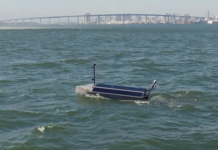
According to NextGenDefense, the platform can remain airborne for up to one hour and reportedly requires less than a minute to prepare for launch. A six-cell launcher allows multiple drones to be deployed in rapid succession, supporting coordinated attacks or saturation missions. The system has also been demonstrated from an uncrewed surface vessel, indicating potential maritime applications.
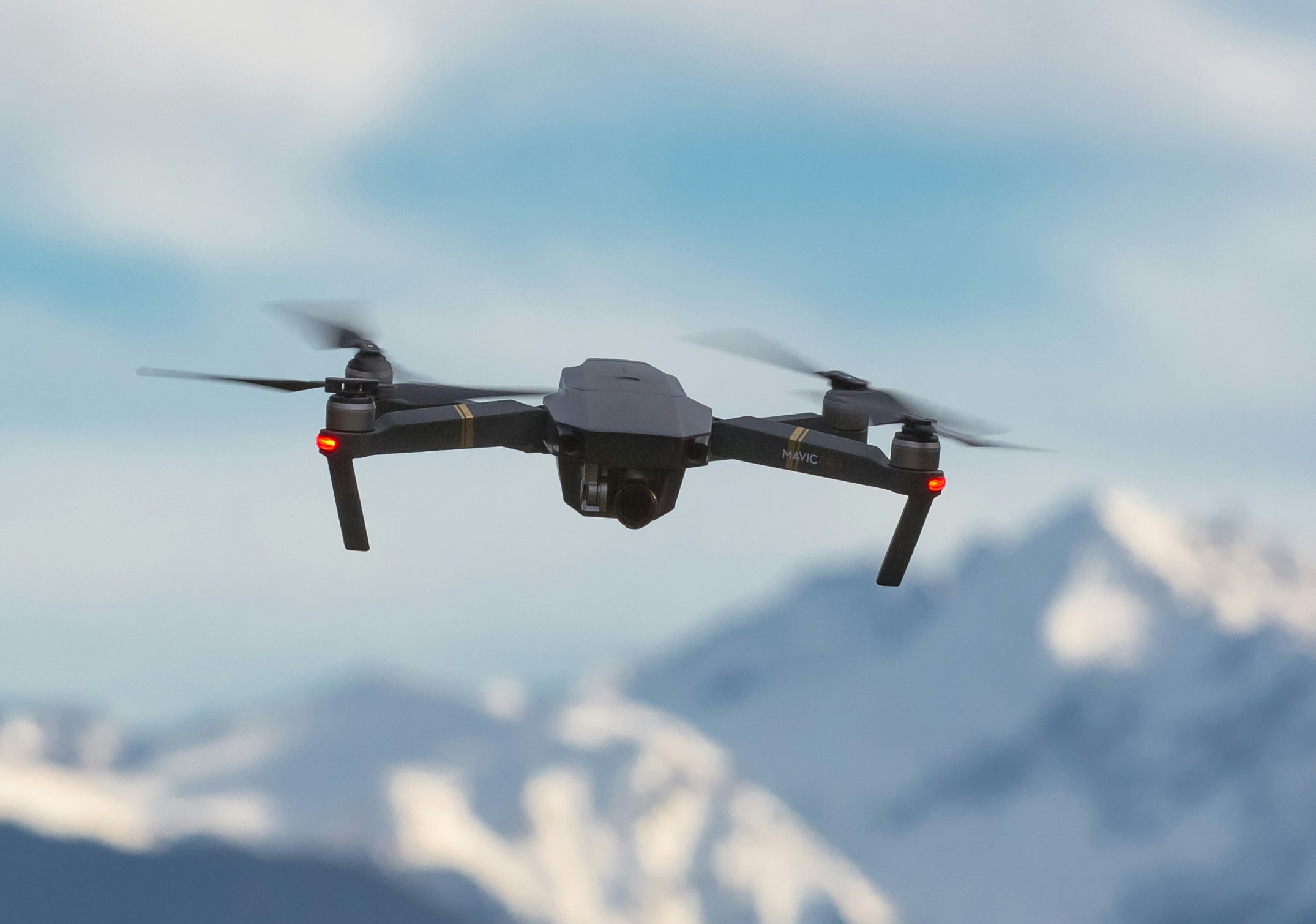
The second platform (Gambit) is a compact quadcopter intended for intelligence, surveillance, and reconnaissance missions. Weighing just over six kilograms, it can be carried and deployed by frontline personnel. The drone offers an operational range of approximately 25 kilometers and can carry a two-kilogram payload. A strike variant is also available for short-range precision engagements.
From a defense perspective, the most notable aspect is how the two systems operate together. Both are connected through a common command-and-control architecture designed to coordinate multiple platforms simultaneously across land, air, and maritime environments. This allows operators to manage several drones as part of a single network rather than treating each aircraft as an independent asset.
The introduction of these platforms reflects a broader shift toward distributed, lower-cost unmanned systems capable of combining reconnaissance, strike, and swarm operations within a unified operational framework.