

This post is also available in:
 עברית (Hebrew)
Protective gear such as helmets and body armor must strike a difficult balance. Materials need to be strong enough to withstand impact, but not so rigid that they crack or transfer too much force to the user. Many existing solutions rely on hard shells or layered composites, yet these can fail under extreme stress or repeated impacts.
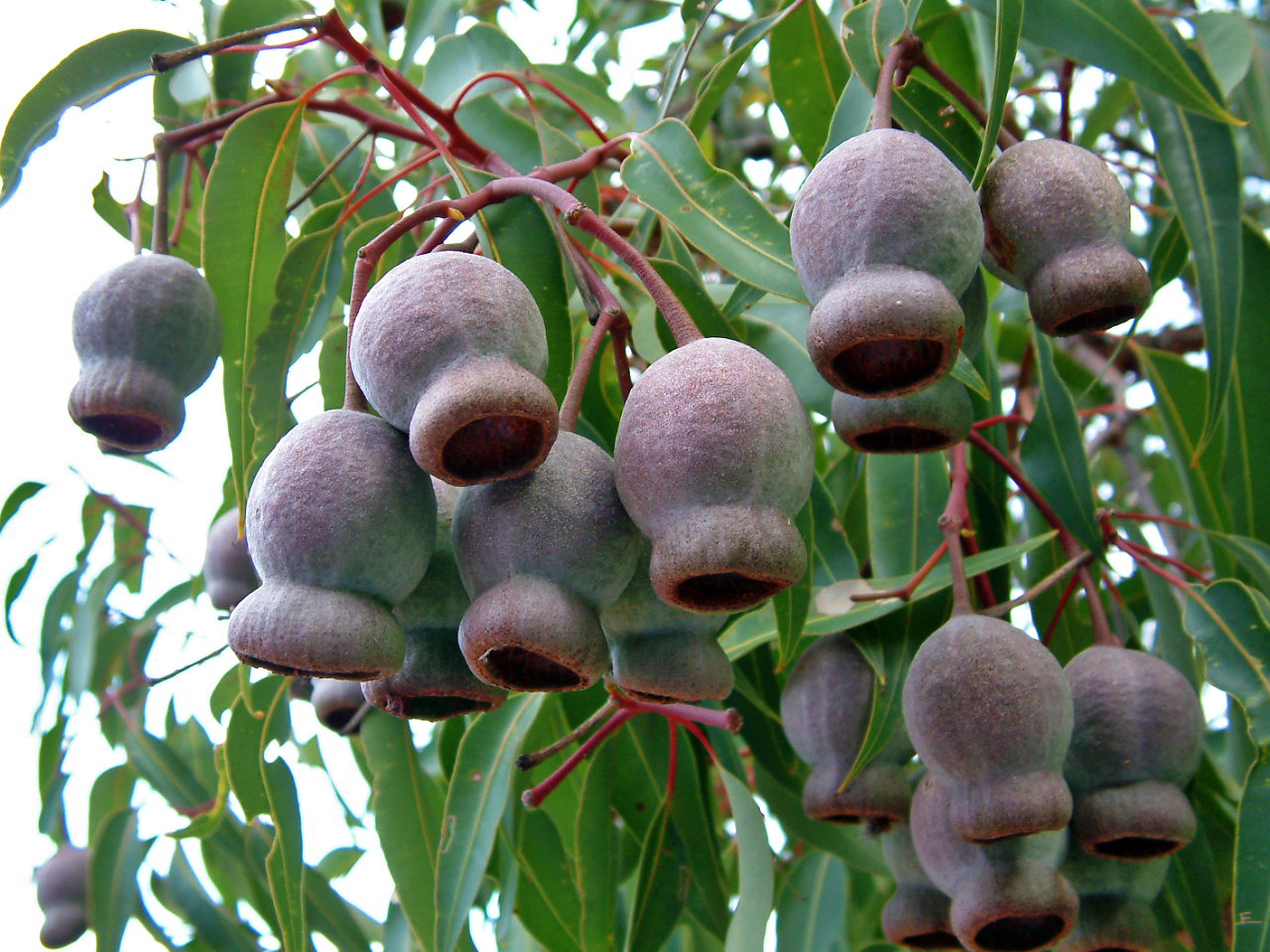
A new materials approach draws inspiration from an unexpected source: a seed known for its ability to resist crushing forces in nature – the marri nut. Researchers studying its structure found that its strength does not come from hardness alone, but from how it distributes and absorbs energy internally.
The key lies in a layered design. According to TechXplore, the outer shell is rigid and protective, while the inner structure is softer and more flexible. When force is applied, the outer layer resists penetration, while the inner layers deform and absorb energy. This prevents cracks from spreading uncontrollably and reduces the risk of sudden failure.
Using advanced imaging and mechanical testing, the researchers analyzed how this natural structure behaves under stress. Despite being composed largely of cellulose, the material showed a combination of properties rarely found together – lightweight, yet capable of both stiffness and controlled deformation.
Based on these findings, a synthetic material was developed to replicate the same internal architecture. Instead of relying solely on stronger substances, the design focuses on how layers interact to manage impact. This allows energy to be dispersed more gradually, improving overall resilience.
One of the more interesting aspects is how the structure controls cracking. Rather than allowing fractures to spread freely, the layered configuration guides them in specific directions, limiting damage. This concept could be particularly useful in applications where repeated or unpredictable impacts are expected.
From a defense and homeland security perspective, such materials could influence the next generation of protective equipment. Helmets, body armor, and vehicle protection systems all rely on managing impact energy effectively. A design that combines strength with controlled flexibility may improve protection while reducing weight.
Beyond defense, the approach could also apply to industrial safety gear or transportation systems. As materials science continues to look toward nature for solutions, structures that prioritize energy absorption over sheer rigidity are becoming increasingly relevant in high-impact environments.
The research was published here.























