





A New Cargo Drone Can Deliver Supplies Without Landing
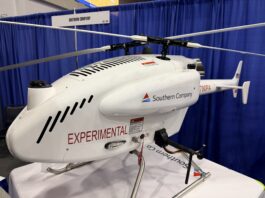
Resupplying personnel in remote or contested areas is one of the most difficult challenges in military and emergency operations. Landing a drone to deliver...

Half Vehicle, Half Robot: Meet the New “Centaur” Machine
Robots designed for industrial inspection or emergency response often face a tradeoff. Wheeled platforms can move quickly and efficiently over long distances but struggle...
This Robot Dog Crosses Rivers, Climbs Mountains, and Keeps Going in...
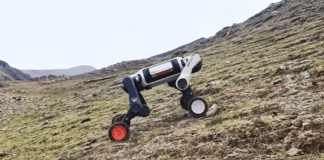
Robots are increasingly being used for inspections, emergency response, and field operations in locations that are difficult or dangerous for people to reach. However,...

Meet the Robot Dog Built to Survive Arctic Ice and Freezing...
Collecting data in the Arctic is often as challenging as the research itself. Beneath seemingly solid snow can lie hidden pools of icy water,...

Sensors Designed for Cars Are Now Helping Detect Drones
The growing number of low-flying drones, together with the emergence of more advanced platforms—including fiber-optic-guided UAVs—is creating an increasing challenge for detection and surveillance...
This Robot Dog Can Fight Fires While Keeping Crews Out of...
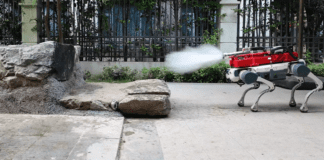
Firefighters frequently operate in environments where collapsing structures, intense heat, toxic smoke, and rapidly changing conditions pose significant risks. Entering these areas to extinguish...
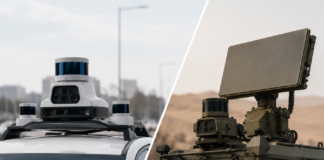
From Autonomous Vehicles to the Battlefield: Sensors in Search of a...
The autonomous vehicle industry has advanced more slowly than many sensor companies anticipated when they built their business strategies over the past decade. As...

This Smartphone Tech Can Detect Objects Outside Your Line of Sight
Smartphone LiDAR sensors have become common in high-end devices, mainly supporting augmented reality features and depth sensing for photography. But despite their growing capabilities,...
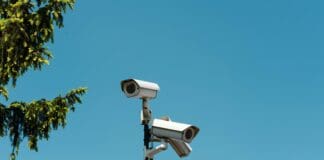
$20 Million in Sight: New Partnership Targets the Smart Sensing Market
Protecting borders, critical infrastructure, and transportation corridors is becoming increasingly challenging as the number of threats and users operating within these environments continues to...
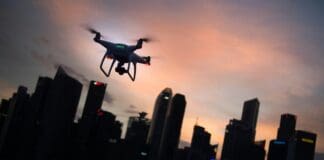
Drones Could Soon Navigate Collapsed Buildings Without Slowing Down
Flying autonomous drones through unpredictable environments remains one of the biggest technical challenges in robotics. In confined spaces such as collapsed buildings, industrial sites,...
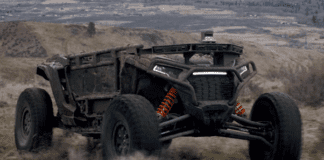
This Robot Sees Threats on the Ground — and Now in...
Unmanned ground vehicles are increasingly used to reduce risk to personnel in complex environments, but they face a persistent weakness: exposure to small, hard-to-detect...

Teaching Robots to Recover After Losing Their Position
For mobile robots operating in the real world, knowing their exact position is not optional. Autonomous navigation depends on continuous, accurate localization. Yet satellite-based...
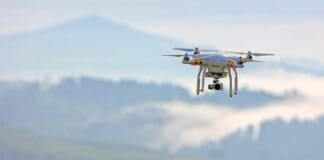
The Drone Revolution is Upon Us
As drones move from niche tools to everyday infrastructure, a core challenge is becoming increasingly clear: current systems struggle to meet the endurance, autonomy,...

The Blind-Spot Tech That Could Make Autonomous Systems Safer
Autonomous vehicles and mobile robots rely on cameras, LiDAR and other sensors to navigate safely. These systems perform well within direct line of sight,...

Smarter Sensing, Safer Robots: The Next Step in Human-Machine Teamwork
As robots take on more complex roles in industrial environments, one challenge remains constant: ensuring safe, seamless interaction with human workers. Heavy-duty robotic arms...
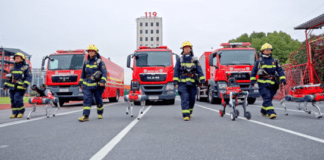
The Rise of Robot Responders in Dangerous Disaster Zones
Firefighting and disaster response increasingly place human crews in environments that are unstable, toxic, or simply unreachable. Collapsed structures, chemical leaks, tunnel fires, and...
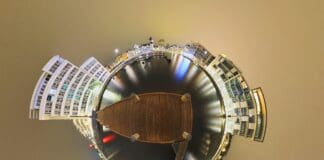
The 360° Awareness Tech Built for Machines That Can’t Afford Blind...
Autonomous systems struggle most at close range. While long-distance sensing is relatively mature, many accidents and failures occur within tens of meters, where blind...
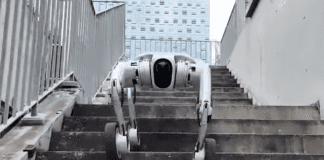
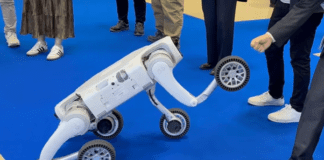
From Smooth Floors to Stairwells: A New Kind of Robot Mobility
Stairs remain a stubborn obstacle for mobile robots. Wheels are fast and efficient on flat ground, but they struggle the moment elevation changes appear....
Mapping at Scale: The Robot Dog Built for Modern Security Missions
Organizations responsible for logistics, infrastructure, and critical facilities are increasingly required to inspect, map, and monitor enormous areas — sometimes hazardous or inaccessible —...

Flying Sensors Strengthen Defense of Critical Infrastructure
Power transmission lines stretch across forests, farmland, and mountainous terrain, where they face constant exposure to heat, vegetation growth, and shifting weather patterns. These...

Earth Mapping Enhanced with Space-Based LiDAR Technology
The U.S. Department of Defense (DoD) is investing $5 million in a Florida-based startup, NUVIEW, to advance the development of space-based LiDAR technology. The...

Ukraine Deploys AI-Guided Drones in First Combat Use
Ukraine has introduced a next-generation drone platform that integrates artificial intelligence and advanced navigation to strike targets without relying on GPS—marking a major milestone...
Latest

This Rifle Upgrade Times Every Shot to Help Hit Fast-Moving Drones
Small drones have become a difficult target for infantry. They can approach quickly, change direction and present a much smaller target than a conventional...




















