

This post is also available in:
 עברית (Hebrew)
Modern air operations increasingly depend on constant data flow. Crews need access to real-time intelligence, targeting updates, and coordination with ground and air assets—often far beyond line-of-sight and in contested environments. Even highly capable platforms can find their effectiveness limited when connectivity lags behind mission demands, especially during special operations that rely on speed, precision, and situational awareness.
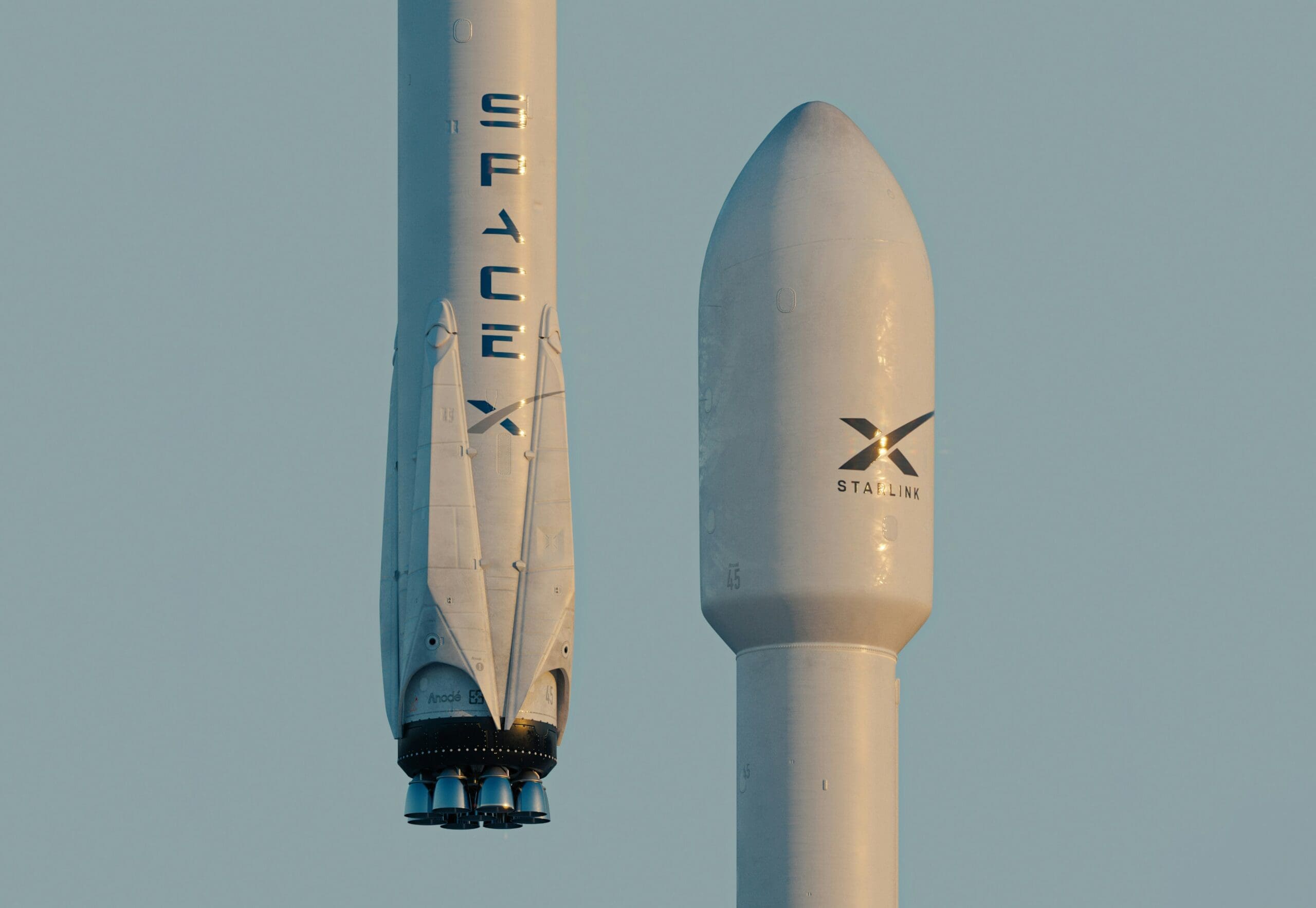
Against this backdrop, US special operations forces are exploring ways to significantly upgrade the digital backbone of one of their most heavily armed aircraft: the AC-130J Ghostrider gunship. Recent requests issued by US Special Operations Command and Air Force Special Operations Command signal interest in adapting satellite-based broadband connectivity, similar to Starlink, for use aboard the aircraft. The goal is to provide high-speed, resilient, beyond-line-of-sight communications that can keep pace with the gunship’s demanding operational profile.
Integrating such connectivity is not straightforward. Any solution must withstand the full flight envelope of a combat aircraft, operate reliably in harsh climates, and meet strict size, weight, and power constraints. It must also be portable, allowing rapid installation or removal and compatibility across different C-130 variants. An open architecture is another key requirement, ensuring the system can plug into evolving command-and-control networks without locking operators into proprietary ecosystems.
If successful, the upgrade would shift the gunship’s role beyond that of a traditional gunship. Instead of operating primarily as a standalone fire-support platform, the aircraft could function as a networked airborne node—sharing sensor data in real time, receiving updated intelligence mid-mission, and coordinating strikes or surveillance across a wider battlespace.
According to NextGenDefense, the AC-130J itself is well suited to this concept. Based on the C-130J Super Hercules, it combines long endurance with heavy firepower, including a 30mm autocannon, a 105mm cannon, and precision-guided munitions such as Small Diameter Bombs and Hellfire missiles. With a range of roughly 4,830 kms, the aircraft can loiter over extended theaters, making connectivity particularly valuable during prolonged missions.
From a defense perspective, enhanced satellite connectivity reflects a broader shift toward network-centric warfare. Special operations aircraft increasingly act as command, sensing, and strike platforms simultaneously. High-bandwidth links allow them to integrate more tightly with drones, ground teams, and joint forces, while remaining flexible and survivable.
As digital networks become as critical as weapons themselves, efforts to connect platforms like this to resilient satellite constellations highlight how airpower is evolving—less isolated, more connected, and increasingly defined by the data it can collect and share in real-time.























