This post is also available in:
 עברית (Hebrew)
Operating helicopters in the North Atlantic has always carried high risk. Harsh weather, long distances, and the growing presence of submarines make maritime aviation both essential and dangerous. Crewed aircraft remain vital, but keeping pilots in the air for extended missions over cold, contested waters places strain on personnel and limits how persistently navies can operate.
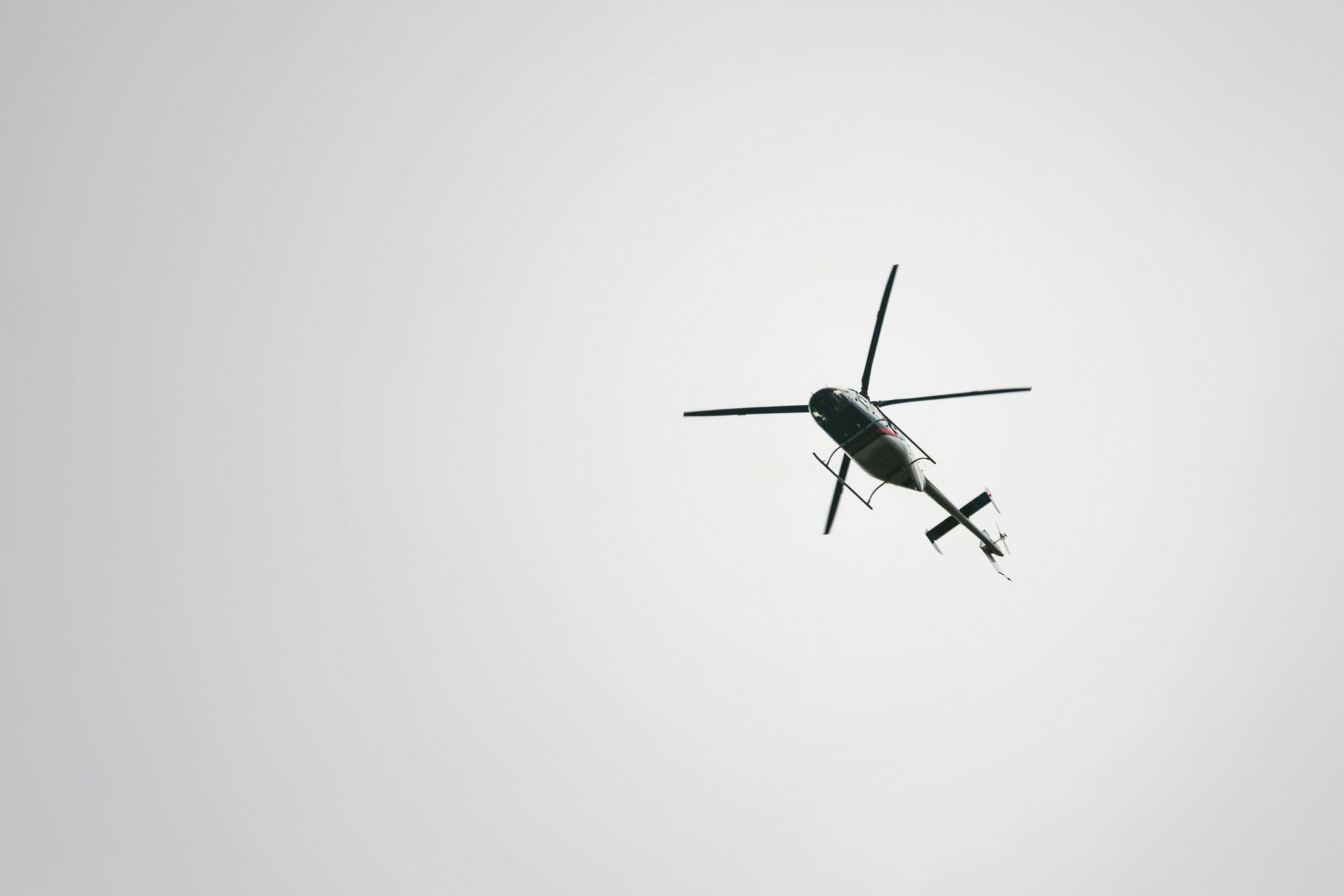
A newly flown autonomous helicopter is intended to change that balance. The UK’s Royal Navy has completed the first flight of a full-size, fully uncrewed helicopter known as Proteus, a technology demonstrator designed to explore how large autonomous rotorcraft could support future naval missions. Rather than replacing existing helicopters, the platform is meant to extend reach and reduce risk by taking on missions that do not require a crew on board.
The platform is built around autonomy from the ground up. The three-ton platform replaces the cockpit with sensors, processors, and control systems that allow it to perceive its surroundings, make decisions, and act in real time. Extensive ground testing preceded the first flight, validating the software and control architecture before moving into the air. A key design feature is a modular payload bay, which allows commanders to trade fuel for mission equipment depending on operational needs.
Development relied heavily on digital engineering. A full digital twin of the helicopter was used to test and refine capabilities using artificial intelligence and machine learning, reducing the need for costly live trials. The approach also opens the door to faster iteration and lower production costs through advanced manufacturing techniques such as composite structures and additive manufacturing.
The Royal Navy sees large uncrewed helicopters as potential enablers for a “hybrid navy”, where crewed and uncrewed platforms operate together. In particular, the platform is being examined as a candidate for future anti-submarine warfare roles. Uncrewed helicopters could carry sensors, sonobuoys, or other payloads for long-duration patrols, forming part of a wider effort to secure the North Atlantic amid rising submarine activity.
Unlike smaller drones already in service, the platform operates in the same class as traditional naval helicopters, but without putting aircrew at risk. This allows for longer endurance, operations in more hazardous conditions, and greater flexibility in how air assets are used at sea.
Importantly, the platform is not intended as an immediate production aircraft. It is a prototype designed for experimentation, helping the Navy understand how autonomy at this scale could fit into future force structures. As other militaries pursue similar concepts, the first flight of a full-size autonomous helicopter signals that uncrewed aviation is moving beyond small drones and into the core of naval air operations.