This post is also available in:
 עברית (Hebrew)
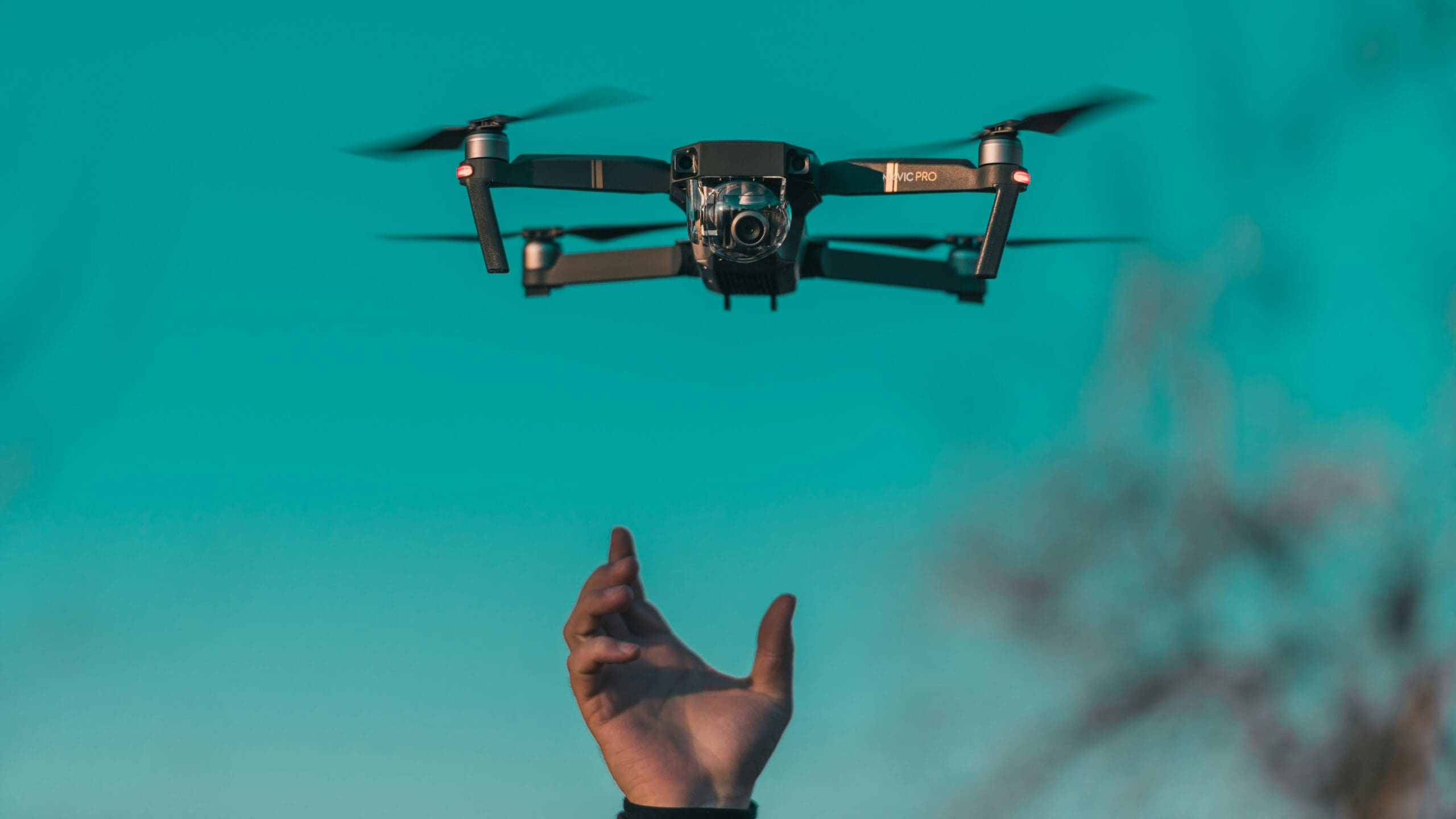
Small, fast FPV drones have become one of the most difficult threats for ground forces to manage. Flying low and maneuvering aggressively, these systems can evade traditional air defenses and overwhelm electronic warfare tools, especially in dense or contested electromagnetic environments. For infantry units operating close to the front line, the problem is often not detection but stopping an incoming drone in the final seconds before impact.
A new counter-drone system unveiled at CES 2026 is designed specifically for that last line of defense. DroneHunter Varta focuses on physically intercepting FPV drones at short range, offering a kinetic solution for scenarios where jamming is ineffective, unavailable, or carries unacceptable risk. Rather than relying on disruption, the system neutralizes threats through direct engagement.
The core concept is straightforward: detect, track, and intercept within a compact, integrated workflow. According to Interesting Engineering, it combines sensors, control software, and an interception mechanism into a single system intended for rapid reaction. Once a target is identified, the system engages it using a kinetic charge initiated electrically, ensuring predictable performance even in environments saturated with electronic interference.
Its effective engagement range currently sits between 35 and 50 meters. While limited in distance, this envelope is deliberate. The system is designed to protect troops, vehicles, and positions when an FPV drone has already penetrated outer defenses. At that stage, reliability matters more than range, and physical interception avoids the uncertainty associated with electronic countermeasures.
Stability during engagement is another design priority. The system uses opposing 12-caliber charges to counteract recoil forces during interception. This configuration helps maintain balance and control, reducing the risk of destabilization that could compromise follow-on engagements or platform safety.
Modularity plays a central role in how the system is deployed. A universal mounting bracket allows it to be installed on different FPV platforms without altering the core architecture. This enables operators to adapt the system to various mission profiles or platforms while retaining the same detection and interception logic. All components operate within a unified framework, simplifying integration and maintenance.
From a defense perspective, the system reflects how counter-drone doctrine is evolving. As FPV drones become cheaper and more numerous, layered defenses are increasingly necessary. Kinetic systems like this complement electronic warfare and longer-range interceptors by covering the final, most dangerous segment of an attack. For infantry units facing constant aerial threats, compact and reliable close-in defenses are no longer optional—they are becoming standard equipment on the modern battlefield.