

This post is also available in:
 עברית (Hebrew)
Stealth fighters are no longer defined only by their shape. As air combat shifts toward longer ranges, dense electronic warfare, and mixed formations of crewed and uncrewed aircraft, the real competition is increasingly about sensors, propulsion, and onboard intelligence. A stealth airframe provides the foundation, but it is software, engines, and integration that determine how relevant a fighter remains over time.
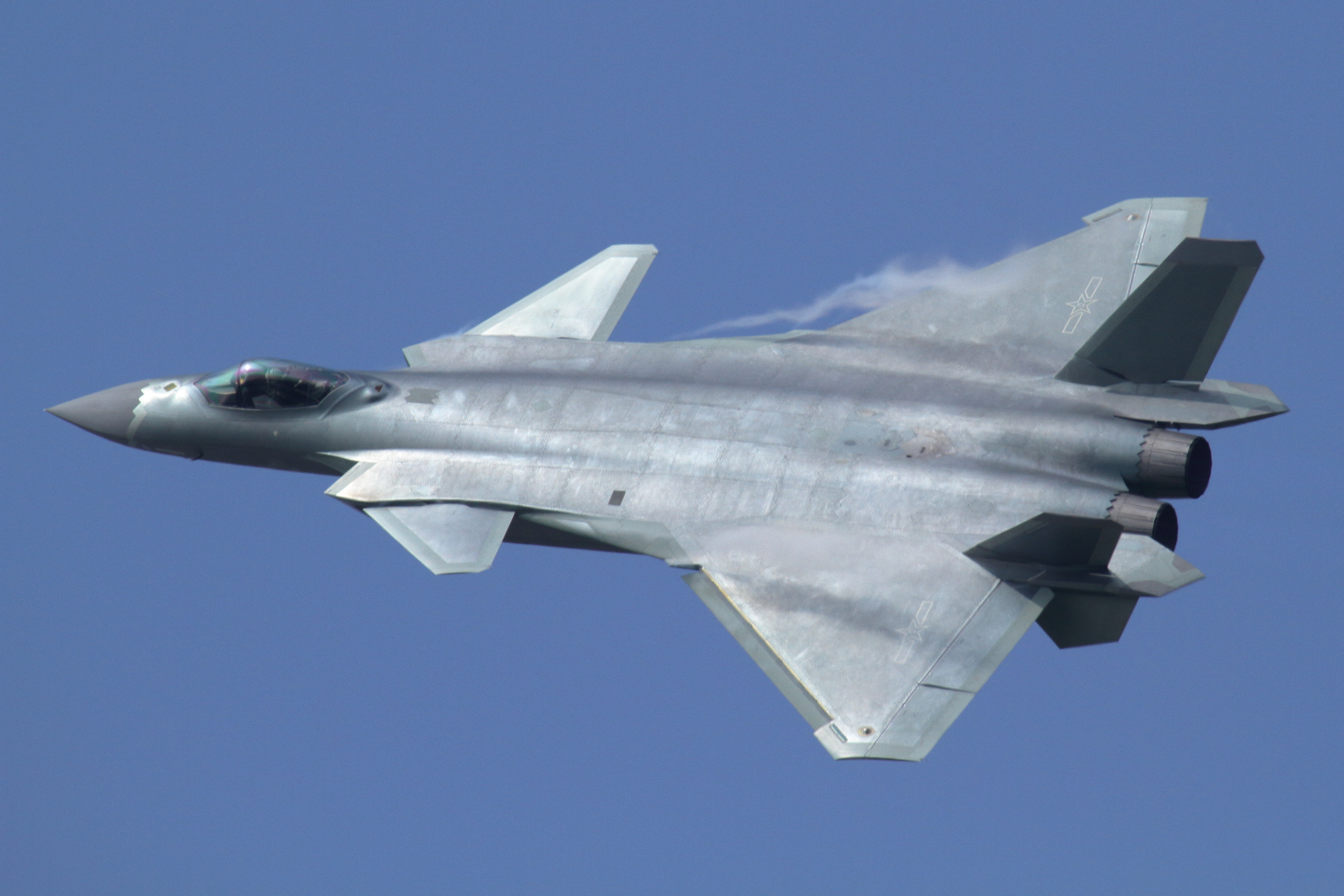
Recent commentary from Chinese military analysts suggests that the J-20 stealth fighter is entering a new phase of that evolution. Rather than focusing on external redesign, the next round of improvements is expected to concentrate on internal systems—specifically radar, infrared sensing, engines, and artificial intelligence. The goal is to strengthen the aircraft’s performance in modern air combat, particularly in long-range and beyond-visual-range engagements.
According to Interesting Engineering, from the outset, the J-20 was built around low observability. Its faceted airframe, internal weapons bays, and radar-absorbent materials were intended to delay detection and enable first-look, first-shot advantages. That design has largely stabilized, allowing engineers to focus on what the aircraft can sense and how it processes information. Planned upgrades to radar and infrared search-and-track systems are expected to improve target detection and tracking, especially against stealthy or electronically protected opponents.
Weapons and propulsion are another priority. Analysts point to ongoing work on longer-range air-to-air missiles with improved resistance to jamming, reflecting the growing importance of electronic warfare in air combat. Engine development has already advanced significantly, with the fighter transitioning from imported powerplants to domestic designs and now flying with a newer engine intended to deliver higher thrust and better high-speed performance.
Artificial intelligence is expected to become a key force multiplier. Future AI systems could function as onboard assistants, helping pilots manage sensor data, prioritize targets, and react more quickly in complex engagements. In high-speed beyond-visual-range combat, where decisions are made in seconds, reducing pilot workload can directly translate into combat advantage.
From a defense perspective, the most notable shift is how the aircraft is being integrated into larger formations. Recent footage has shown stealth fighters operating alongside uncrewed attack drones and electronic warfare aircraft, with drones flying closer to defended targets. This kind of crewed–uncrewed teaming extends sensing, complicates enemy defenses, and distributes risk across multiple platforms.
The introduction of a two-seat variant, designed to support drone control, reinforces that direction. Rather than acting as a standalone fighter, the J-20 is increasingly positioned as a command node within a networked air combat system.
As air forces worldwide pursue similar concepts, the J-20’s planned upgrades highlight a broader reality: future air superiority will depend less on a single aircraft’s shape and more on how well it integrates sensors, autonomy, weapons, and partners—both human and unmanned—into a cohesive whole.























