This post is also available in:
 עברית (Hebrew)
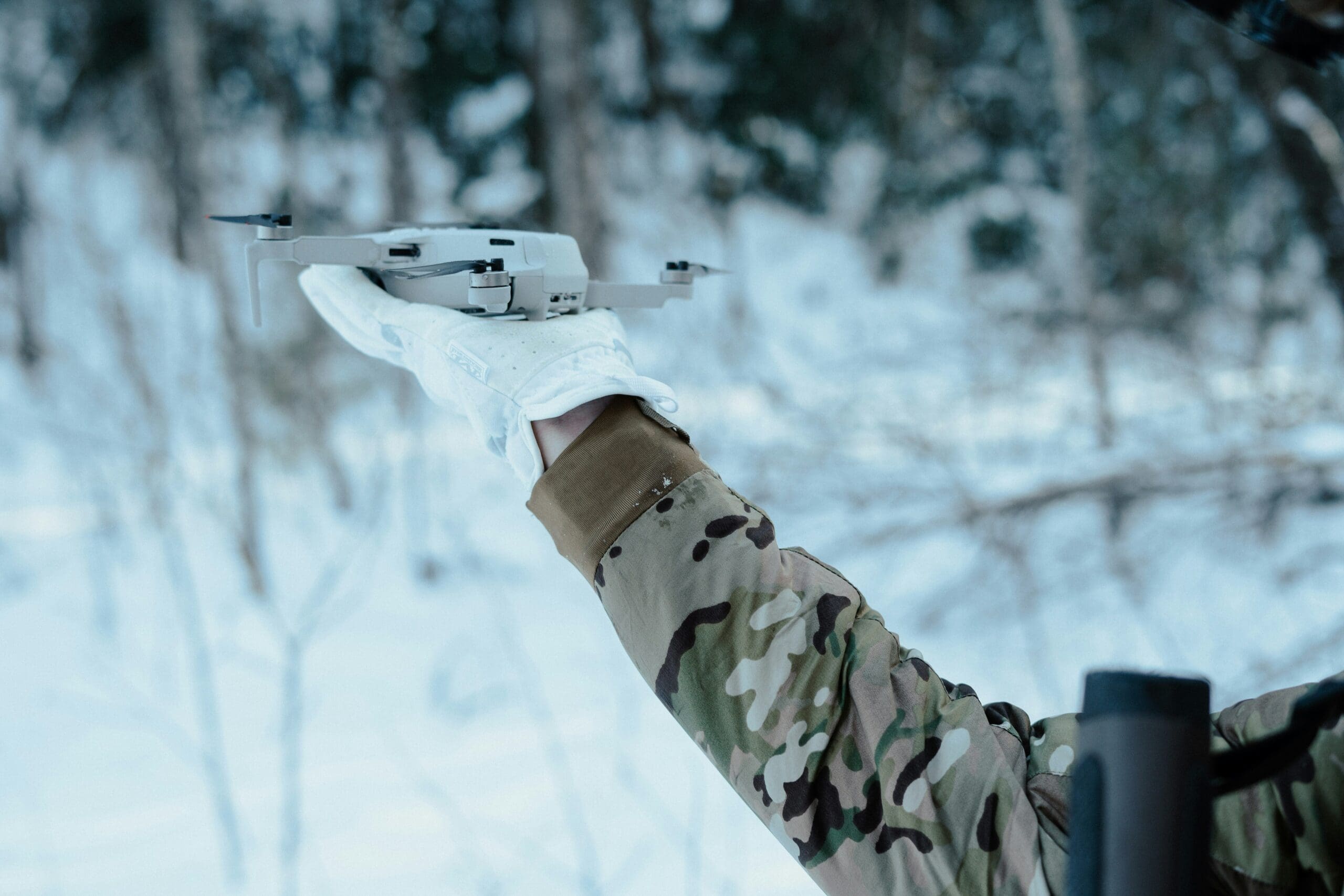
Modern military drones rely heavily on satellite navigation to orient themselves, map terrain, and support ground forces. In environments where GPS or GNSS signals are jammed, spoofed, or unavailable, those capabilities degrade quickly. This is a growing problem in electronic-warfare-heavy theaters, where navigation loss can limit reconnaissance, slow planning, and expose troops to unseen threats such as mines or ambush devices.
A new set of AI algorithms is designed to address that gap by allowing drones to continue delivering usable intelligence even when satellite positioning is denied. The updated capabilities are part of Safe Pro Object Threat Detection (SPOTD), a battlefield image-analysis platform that processes video collected by drones to identify and map small explosive threats. The latest upgrades focus specifically on improving performance in GPS-denied environments while also accelerating overall processing.
Instead of depending solely on live satellite inputs, the system analyzes visual data to generate accurate 2D and 3D models of terrain and potential hazards. These models can be created from footage captured by virtually any drone, whether processing occurs in real time at the edge or through cloud infrastructure. According to Interesting Engineering, the new algorithms were refined following real-world exercises in Ukraine, where end users requested improved performance under heavy electronic interference.
Units operating in contested areas often face limited situational awareness once GPS is disrupted. An AI system that can continue mapping terrain, identifying explosive threats, and supporting route planning without relying on satellite signals helps reduce risk to ground forces and unmanned platforms alike. The technology is intended to support reconnaissance, mission planning, and humanitarian clearance tasks in environments where traditional tools fall short.
The platform is built on a large set of real-world training data, including high-resolution drone imagery and GPS-tagged geospatial information. To date, the system has analyzed more than 2.2 million drone images and identified over 41,000 threats across roughly 11,400 hectares. That dataset underpins the computer-vision models used to detect objects of interest and generate maps even when navigation data is degraded.
Beyond threat detection, the system includes additional operating modes; a rapid mapping option allows users to generate terrain models for intelligence, surveillance, and reconnaissance missions that do not require automated threat identification. The system can also support unmanned ground vehicle route planning by providing detailed terrain and hazard maps. Recent updates have reduced processing times by up to 10x, improving responsiveness during time-sensitive operations.
As electronic warfare becomes a defining feature of modern conflict, tools that can function independently of satellite navigation are moving from niche solutions to core capabilities. AI-driven mapping and threat detection systems like this point toward a future where drones and autonomous platforms remain effective even when traditional navigation aids are unavailable.