This post is also available in:
 עברית (Hebrew)
For much of the post–World War II era, Japan kept defense-spending tightly constrained, relying on alliances and a strictly defensive posture to ensure security. That approach is now being reassessed as regional dynamics change and military activity around Japan’s periphery intensifies. New threats, longer engagement ranges, and the growing role of unmanned systems are forcing Tokyo to rethink what deterrence looks like in practice.
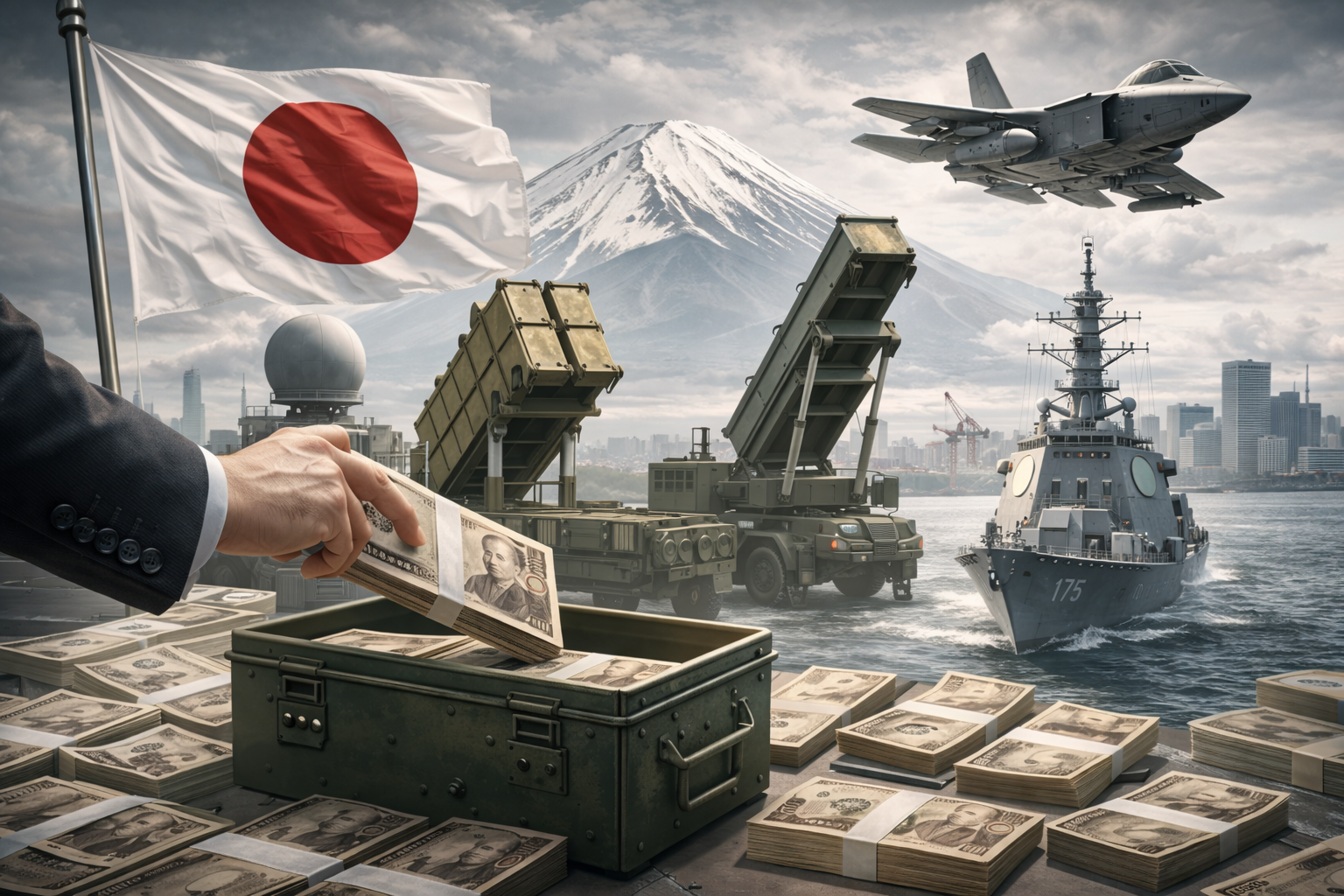
The Japanese Cabinet has approved a draft defense budget for fiscal year 2026 that exceeds 9 trillion yen (58 billion dollars), marking the largest annual allocation since the country’s modern defense framework was established. The plan represents the fourth year of a five-year effort to lift defense spending to 2 percent of GDP (gross domestic product), a level Japan is now set to reach earlier than originally planned.
According to Defense News, rather than focusing on force size, the budget prioritizes capabilities designed to operate at distance and respond quickly. A major portion is dedicated to so-called “standoff” weapons, including long-range cruise missiles intended to strike hostile launch platforms before they can be used. Among them is an upgraded version of the domestically developed Type-12 surface-to-ship missile, with a reported range of roughly 1,000 kilometers. Deployment of the first batch has been moved forward, particularly in Japan’s southwestern region.
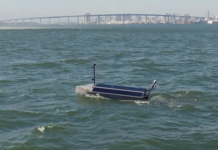
Unmanned systems are another core element. Facing manpower shortages driven by demographic decline, Japan is investing heavily in autonomous air, surface, and underwater platforms. Around 100 billion yen has been earmarked for a new multi-domain unmanned surveillance and defense network known as SHIELD, aimed at monitoring and protecting coastal areas. Initial deployments are expected to rely on foreign suppliers to accelerate fielding.
From a defense perspective, the shift is significant; Japan is moving beyond a purely reactive model toward one that emphasizes deterrence through reach, precision, and persistence. Long-range missiles and unmanned systems allow coverage of wide maritime areas without maintaining large standing forces, while also supporting joint operations with allies.
The budget also reflects a push to strengthen the domestic defense industry. Funding has been allocated for joint development of a next-generation fighter aircraft with European partners, as well as AI-enabled drones intended to operate alongside crewed jets. Support for arms exports and industrial infrastructure has also been expanded.
Regionally, the move underscores how security calculations in the Indo-Pacific are evolving. While the budget still requires parliamentary approval, it signals a clear departure from decades of restraint. Japan is not just spending more—it is reshaping how it intends to defend itself, using technology and range to compensate for geography, demographics, and an increasingly complex strategic environment.