

This post is also available in:
 עברית (Hebrew)
For much of the post–Cold War period, the United Kingdom invested relatively little in homeland air and missile defense. Long-range ballistic threats were seen as unlikely, and existing assets were considered sufficient to manage limited risks. That assumption is now being reassessed as missile technology proliferates and the use of long-range strike systems becomes more visible in modern conflicts.
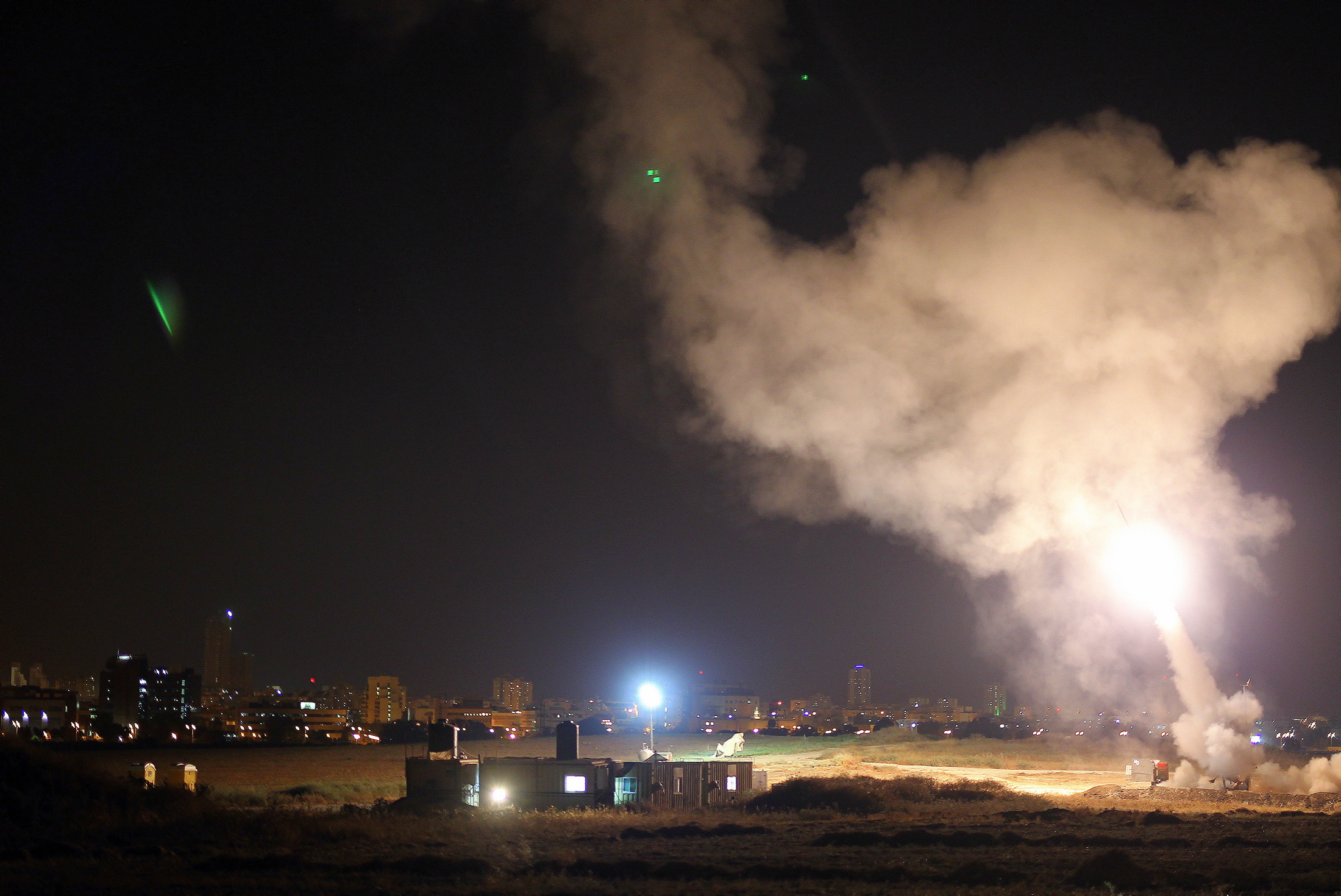
British defense leaders are now openly discussing the need for a dedicated, ground-based air and missile defense system modelled on proven layered approaches. The concept under consideration resembles Israel’s Iron Dome in role, though adapted to local requirements. According to statements made by senior defense officials, the goal is to create an integrated network capable of intercepting ballistic missiles, cruise missiles, and unmanned aerial vehicles before they reach populated areas or critical infrastructure.
The proposed system would form part of a layered defense network alongside existing fighter and naval air-defense assets; fighter aircrafts, such as Typhoon jets, and naval assets like Type 45 destroyers would complement the system, providing additional engagement options against incoming threats. Together, these layers are intended to increase interception opportunities and reduce the risk of single-point failure.
This shift reflects a growing recognition that aerial threats are no longer confined to distant battlefields. Ballistic and cruise missiles, as well as long-range drones, have demonstrated their ability to target cities, energy infrastructure, and military bases. A dedicated defensive shield would improve resilience at home while reinforcing deterrence by complicating any adversary’s attack planning.
According to NextGenDefense, officials acknowledge that the UK currently lags behind countries with established missile-defense networks, particularly the United States and Israel. However, they argue that recent developments make renewed investment unavoidable. Improvements are expected to focus on radar systems, airborne air-defense capabilities, and interceptors designed to handle both traditional missiles and smaller, lower-cost threats such as drones.
The UK is not alone in pursuing this approach. Other countries facing similar threat environments are moving toward Iron Dome–style solutions. Taiwan is developing its own layered system built around a sensor-to-shooter concept, while Italy recently conducted initial tests of its Michelangelo Dome program. These efforts point to a wider trend: air and missile defense is once again becoming a central element of national security planning.
If implemented, the UK’s proposed system would mark a significant change in posture—one aimed at protecting the homeland against a broader spectrum of modern aerial threats as global security conditions continue to shift.























