This post is also available in:
 עברית (Hebrew)
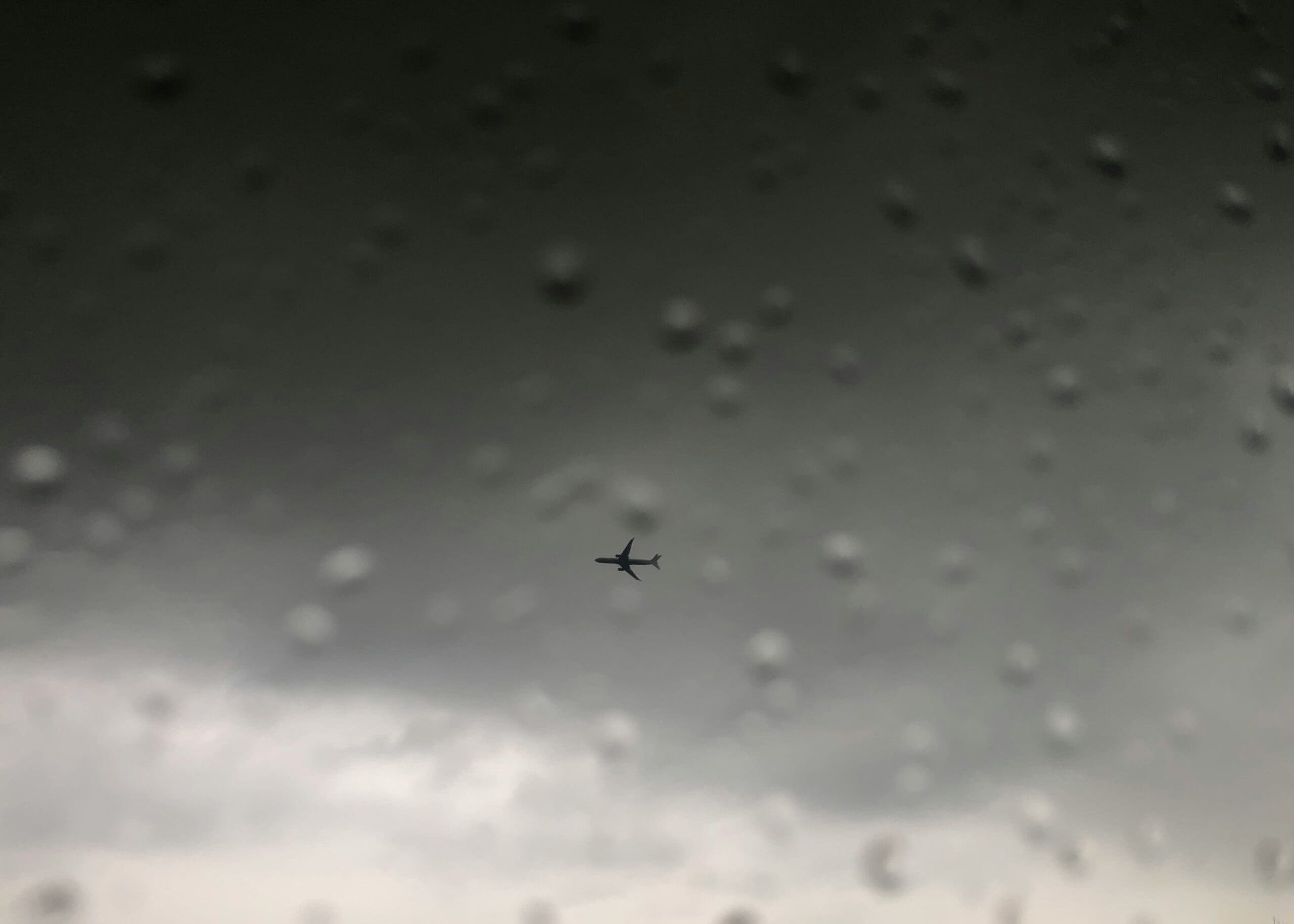
Stealth aircraft are designed to defeat radar, sensors, and air defenses—but in the case of the B-2 bomber, one of the most persistent threats turned out to be environmental. From early in its service life, engineers and testers found that rain, humidity, and extreme climates posed serious challenges to the aircraft’s low-observable design. Water exposure did not just increase maintenance demands; it directly affected mission readiness and, in one case, contributed to the loss of an aircraft.
The core issue lay in the bomber’s radar-absorbing skin and internal layout. According to Interesting Engineering, reports showed that moisture could damage low-observable materials and accumulate inside compartments, ducts, and valves. When water collected and later froze, it could take up to a full day to thaw and drain. These conditions disrupted systems and degraded the very coatings that made the aircraft difficult to detect. These vulnerabilities were unlikely to be fully eliminated, even with improved materials and repair methods.
To manage the problem, the U.S. Air Force changed how the B-2 was operated and supported. Early concepts envisioned deploying the aircraft widely without specialized infrastructure. That approach proved unrealistic. Instead, the bomber came to rely on environmentally controlled shelters, where technicians could inspect and repair stealth coatings after flights. Maintenance procedures increasingly centered on protecting the aircraft from moisture before, during, and after operations.
For defense planners, the implications were significant; stealth is not just about design, but about sustainment. An aircraft that is theoretically invisible but frequently unavailable undermines operational flexibility. Testing data highlighted the impact: when low-observability issues were factored in, the B-2’s mission-capable rate dropped sharply compared with periods when stealth condition was not considered. Maintenance related to stealth materials alone accounted for a large share of labor hours per flight hour.
Weather exposure also played a role in safety. An Air Force investigation into the 2008 crash of a B-2 in Guam identified moisture in air data systems during calibration as a key factor, leading to faulty readings shortly after takeoff.
Over time, improvements were made. More consistent application methods for coatings and outer layers reduced variability and damage. These lessons influenced later programs, with newer bombers designed so that stealth coatings are applied as a final, tightly controlled production step.
The B-2 experience illustrates a broader reality of advanced military systems: cutting-edge performance often brings unexpected sustainment challenges. In this case, managing rain and humidity became just as critical as defeating radar—shaping how stealth aircraft are built, housed, and flown.