This post is also available in:
 עברית (Hebrew)
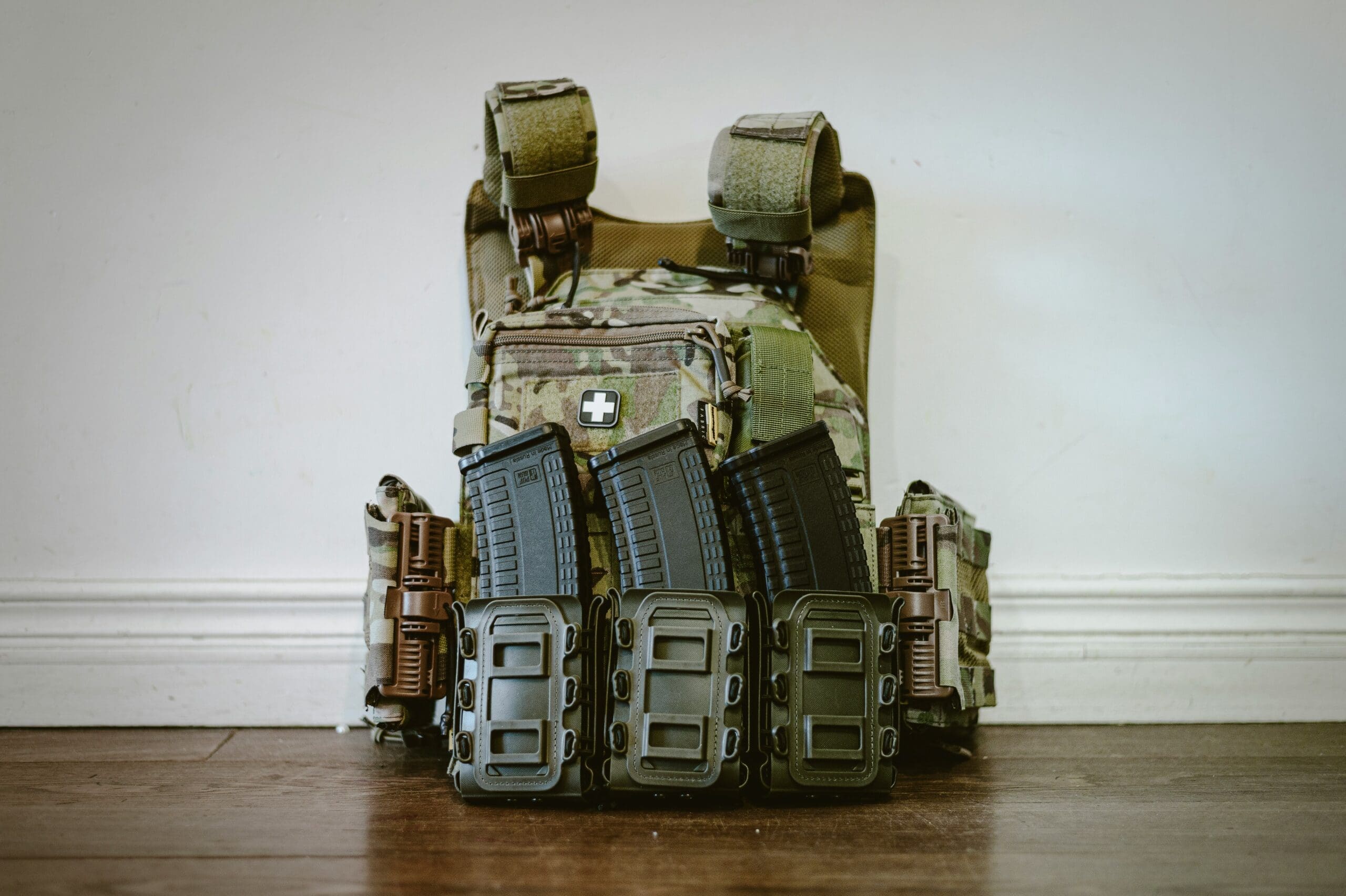
Heavy body armor remains one of the most persistent physical challenges for soldiers, law enforcement officers, and security personnel. Modern plates provide essential protection, but prolonged wear places significant strain on the shoulders and spine, contributing to fatigue, reduced mobility, and long-term musculoskeletal injuries. With back overuse injuries affecting nearly one in five active-duty soldiers each year, the need for a lightweight, field-ready solution has grown increasingly urgent.
Researchers at Vanderbilt University have developed a wearable weight-distribution device designed to shift most of the armor load away from the shoulders and upper back. Their approach redirects the weight toward the hips—an area of the body better suited to bearing heavy loads—reducing pressure on vulnerable joints and soft tissue. The system was tested with U.S. military veterans, with trials showing that offloading up to 90% of the armor’s weight resulted in significant comfort improvements without negatively affecting posture or muscle activity.
According to TechXplore, the innovation solves a long-standing problem in armor design: even as materials become lighter, protective gear still accumulates weight when combined with radios, batteries, ammunition, and mission-specific equipment. Traditional exoskeletons offer support but often require motors, power packs, or rigid structures that limit mobility. In contrast, this new device uses mechanical load-transfer elements—including retractable components—to achieve weight offloading without electronics, making it suitable for demanding field environments.
Reducing back strain is not just a comfort issue, lighter perceived loads can translate to better endurance, improved maneuverability, and fewer injuries during extended operations. A device that reduces physical stress without compromising agility can benefit infantry, special-operations teams, border units, and first responders who must remain mobile while carrying heavy protective gear.
The prototype itself weighs just 0.9 kgs, features quick-release mechanisms for emergencies, and allows a full range of motion during standing, walking, sitting, and dynamic tasks. Its design stems from a user-centric engineering process shaped by extensive input from soldiers and U.S. Army subject-matter experts.
This is not the research team’s first foray into soldier-assist technologies. Previous work led to a lift-assist exosuit—now commercialized and already used by thousands of civilian and military personnel—which reduces strain during lifting tasks. The new offloading device extends that expertise to a broader set of operational scenarios, supporting personnel who wear armor for long periods rather than only during physically intensive moments.
With musculoskeletal injuries posing a major readiness challenge across defense and security sectors, this passive, lightweight solution offers a promising path toward reducing injury risk while keeping operators effective in the field.
The research was published here.