This post is also available in:
 עברית (Hebrew)
Border surveillance and wide-area monitoring often require small unmanned aircraft that can stay airborne for extended periods, carry multiple sensor types, and operate reliably in contested conditions. Many drones in the compact category struggle to balance endurance, payload capacity, and communication resilience, forcing security teams to compromise between mobility and capability. A newly introduced platform seeks to close that gap with a design shaped around long endurance and rapid mission adaptability.
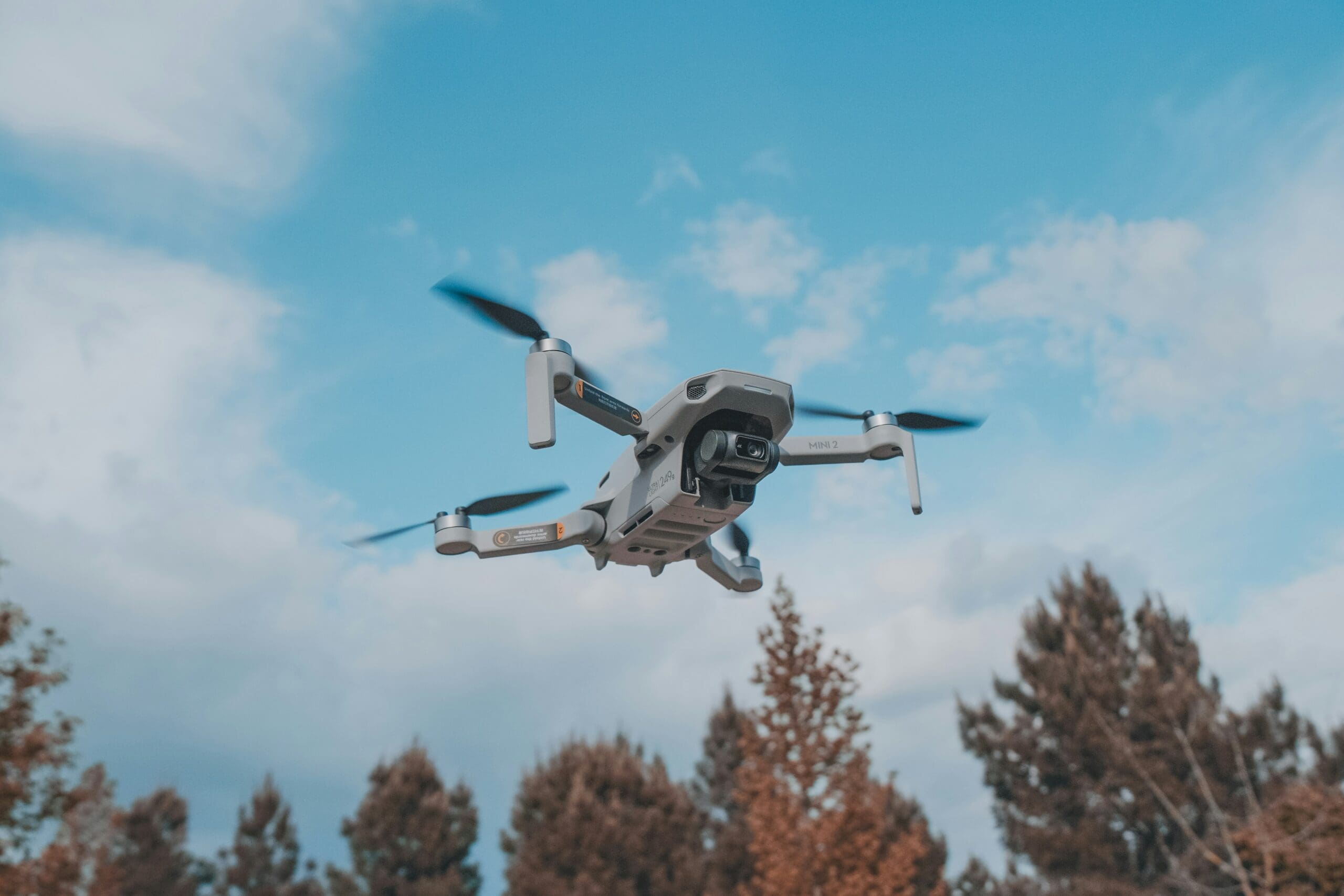
The ERE95 Mini, unveiled at UVID DroneTech 2025 in Tel-Aviv, is a foldable multirotor UAV built for frontline intelligence, surveillance, and reconnaissance work. It delivers up to two hours of flight time, a notable increase over many systems of similar size. When configured for heavier missions, it can carry payloads up to 5 kg for as long as an hour, enabling operators to mount advanced optical systems, communication tools, or specialised sensors without sacrificing stability.
A key problem for small ISR drones is operating in areas where satellite navigation is disrupted. The drone addresses this with support for GNSS-denied missions and an anti-jamming communication system that maintains links at distances beyond 20 km. This combination aims to maintain reliable command and control even in regions where adversaries employ electronic interference.
Mobility is another central design focus. The platform folds into a compact, backpack-sized kit, allowing security teams to move quickly between observation points or deploy the drone from remote areas. Once in the field, the aircraft uses a mechanical and electrical quick-connect interface that enables operators to swap payloads within seconds.
The drone’s modular “puzzle” architecture supports interchangeable SDR modules, daylight and thermal imaging packages, and multiple navigation configurations. This approach makes it possible to tailor the aircraft for long-range observation, border patrols, or situational awareness tasks without replacing the airframe.
A system like this, with long endurance, modular payloads, and resistance to jamming, provides a flexible tool for persistent monitoring, perimeter security, and covert reconnaissance. As ISR missions continue to expand in both tempo and complexity, platforms like this one illustrate how small UAVs are evolving to offer greater endurance and mission versatility in compact, field-ready designs.