

This post is also available in:
 עברית (Hebrew)
Growing missile arsenals are placing unprecedented pressure on air and missile defense systems. Ballistic threats are no longer limited to a small number of states, and the pace at which missiles can be launched in a conflict is forcing defenders to think in terms of scale rather than isolated engagements. For systems designed to intercept high-end threats, availability is becoming just as critical as performance.
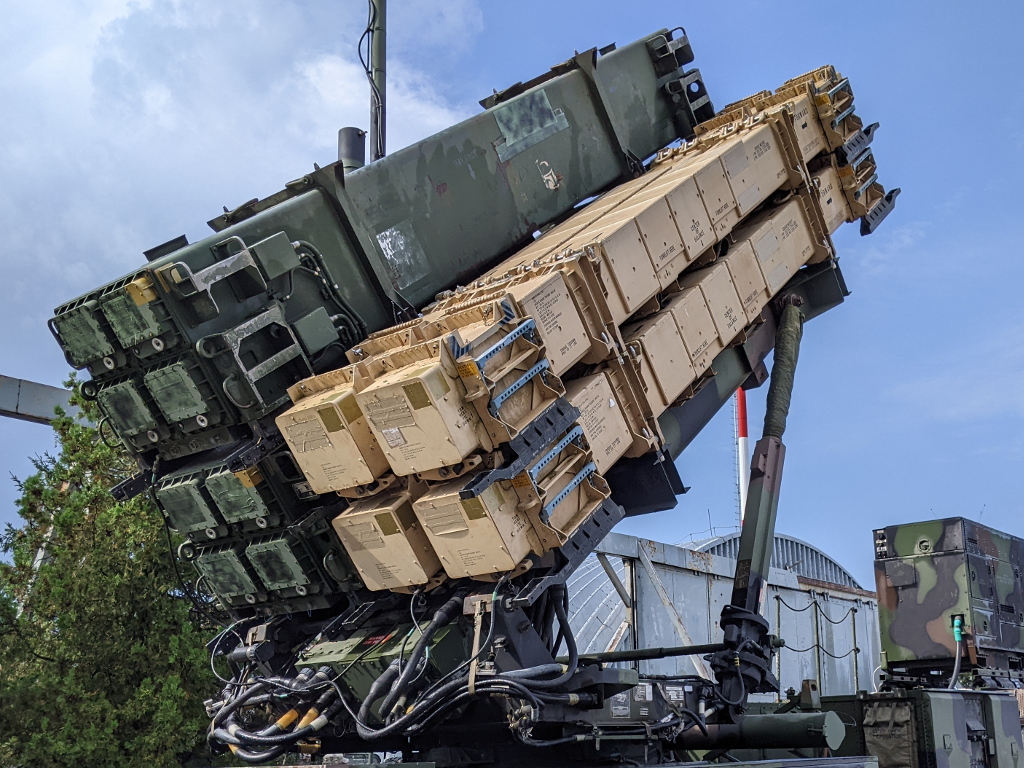
Against this backdrop, plans are now in motion to dramatically expand production of the PAC-3 MSE interceptor used by the Patriot air and missile defense system. A new framework agreement with the U.S. Department of Defense sets the conditions for increasing annual output to as many as 2,000 interceptors within the next seven years. That figure represents more than a threefold increase over current production levels and reflects the growing demand for ballistic missile defense across multiple regions.
The interceptor is specifically optimized to defeat ballistic missiles, using hit-to-kill technology and an active radar seeker to engage targets in the terminal phase. Demand for the interceptor has risen steadily as more countries field longer-range and more accurate missile systems, pushing existing stockpiles closer to their limits. According to the Defense Express, in recent years, production has already been climbing, with output reaching more than 600 missiles in 2025. Earlier plans aimed for a gradual increase to around 750 per year by 2027, but current threat assessments have accelerated those ambitions.
Scaling to 2,000 interceptors annually will require a far broader industrial effort. Missile production is constrained not only by final assembly capacity but by specialized components deep in the supply chain. One of the most critical is the active radar seeker, currently produced by a single manufacturer. Existing plans for seeker output fall well short of what would be needed to sustain the higher interceptor production rate, making supplier expansion or diversification increasingly likely.
International production also plays a role. While the system is assembled primarily in the United States, Japan is currently the only other country licensed to assemble the missiles. As demand grows among operators, production is expected to become more distributed, drawing on a wider network of allied suppliers.
From a defense perspective, the numbers highlight a deeper challenge. Missile defense doctrine typically calls for firing multiple interceptors at a single incoming threat to ensure a successful intercept. Even at 2,000 missiles per year, inventories can be depleted quickly in a high-intensity conflict. The production surge improves readiness, but it also underscores the need for layered defenses and more cost-effective ways to counter large missile salvos.
In that sense, the expansion is not just about manufacturing. It reflects how air and missile defense is evolving into an industrial-scale competition, where sustaining supply may be as decisive as intercepting the missile itself.























