This post is also available in:
 עברית (Hebrew)
Supplying electricity on the modern battlefield is becoming almost as important as delivering fuel or ammunition. Military units now rely on drones, electronic warfare systems, communications equipment, sensors and digital command posts that all require a constant power supply. Conventional generators can provide that energy, but they also produce heat, noise and exhaust that make them easier to detect.
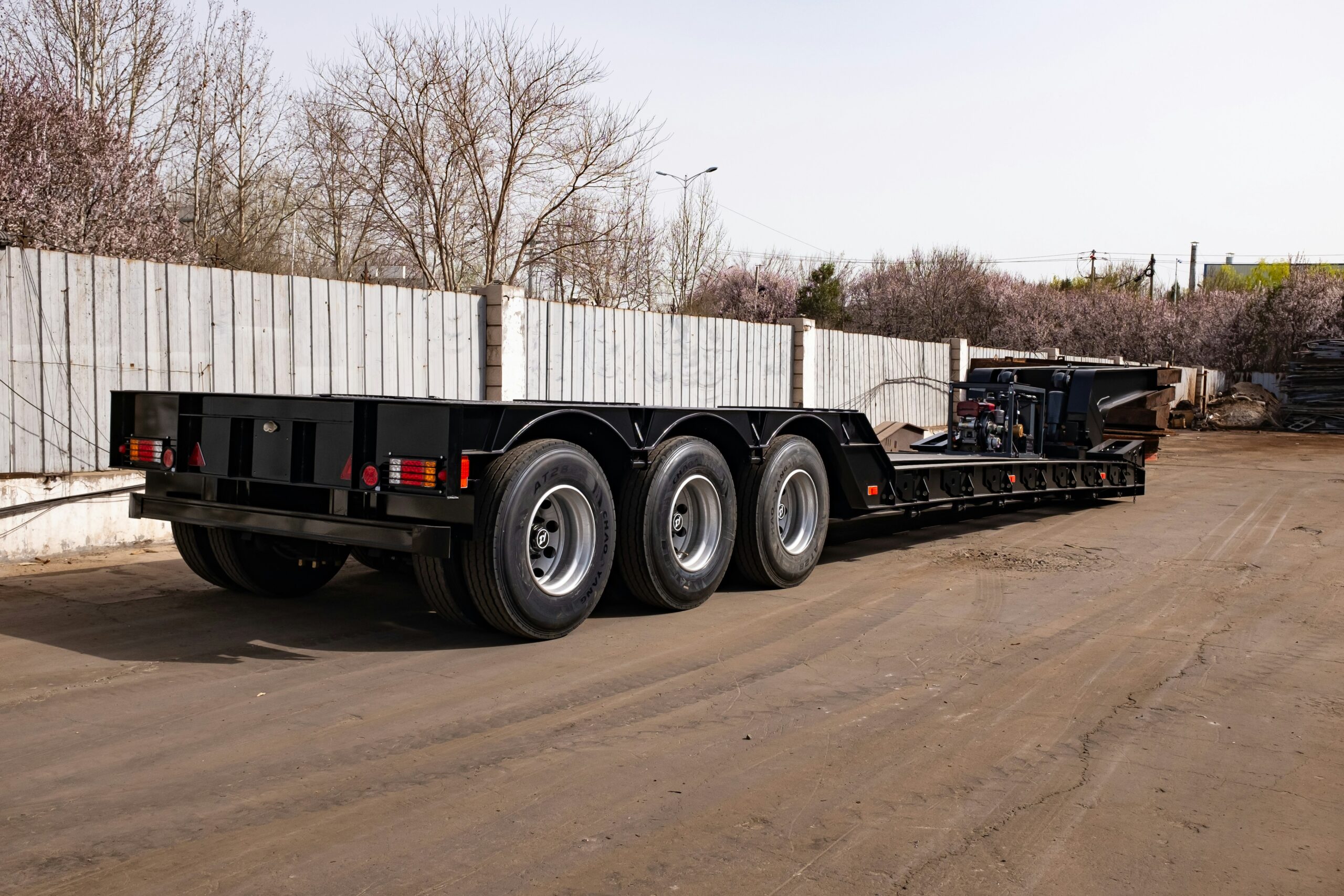
A new transportable battery-powered platform aims to address that challenge by combining energy storage, cargo transport and mobile charging capabilities into a single trailer. Developed by Click & Power GmbH, the AKKU Trailer is designed to deliver electricity directly to forward positions while maintaining a lower acoustic, thermal and visual signature than traditional generator-based systems.
The trailer is built around a 400-volt electrical architecture capable of supplying up to 230 kilowatts of direct current (DC) or 88 kilowatts of alternating current (AC). This allows it to power a wide variety of military equipment, from high-demand charging applications to conventional electrical systems operating in the field.
According to NextGenDefense, at the center of the design is the removable AKKUboard, a modular platform that can be detached using a patented quick-release mechanism without cranes or other heavy lifting equipment. Once removed from the trailer, the module functions as an independent power source, allowing the towing vehicle to immediately return to other transport duties instead of remaining tied to the energy station.
The board can carry payloads weighing up to 1.5 tons, including an optional 104-kilowatt-hour AKKUcube battery pack. The module itself also incorporates battery storage of up to 104 kilowatt-hours, providing significant energy capacity for prolonged field operations even after being separated from the trailer.
The system is intended to support a broad range of frontline equipment. It can recharge unmanned ground vehicles, supply continuous power to communications systems, radar and sensor networks, electronic warfare equipment and mobile command posts. It is also designed to support forward maintenance by powering 3D printers and other repair equipment, enabling damaged components to be manufactured or repaired closer to operational areas.
Mobile battery systems such as this are becoming increasingly relevant as armed forces expand their use of electrically powered platforms. Drone operations, autonomous ground vehicles and distributed command networks all require reliable energy in locations where fixed infrastructure is unavailable. Reducing dependence on diesel generators can also improve survivability by lowering the signatures that hostile sensors use to detect military positions.
By combining transportation, energy storage and high-capacity charging into a single deployable platform, the system reflects a broader shift toward mobile battlefield energy systems that can move with frontline forces while supporting an increasingly electrified military environment.