

This post is also available in:
 עברית (Hebrew)
Modern military operations increasingly depend on seeing targets long before forces arrive on scene. High-risk missions, especially those involving special operations or politically sensitive objectives, require persistent surveillance without alerting adversaries. Traditional intelligence aircraft can be detected, while satellites may lack the timing or resolution needed for rapidly evolving situations.
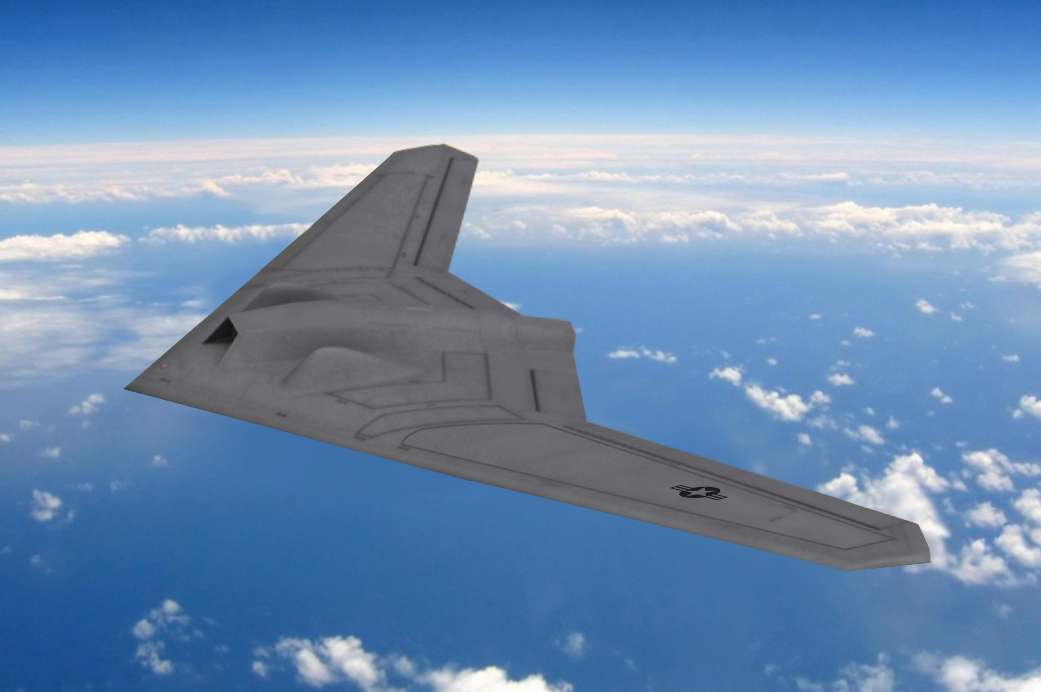
A rare public acknowledgment has now shed light on how this gap is being filled. A stealthy unmanned aircraft was confirmed to have played an active role in the US’ capture of Maduro. The confirmation offered an unusual glimpse into how low-observable drones are integrated into real-world missions alongside crewed fighters and helicopters.
According to Interesting Engineering, the aircraft in question is designed specifically for penetrating defended airspace to collect intelligence, surveillance, and reconnaissance data. Its stealth-focused design allows it to operate where conventional drones or manned platforms would face higher risks. During the operation, it reportedly flew in coordination with fifth-generation fighter jets and special operations helicopters.
While the platform’s detailed capabilities remain classified, its core function is clear: locating and tracking targets without being detected. This type of intelligence is critical in the early phases of an operation, helping commanders understand enemy movement, defenses, and activity patterns before committing forces. Visual evidence following the mission, including footage of the aircraft arriving at a forward operating location, reinforced assessments that the drone was actively deployed rather than merely on standby.
The system is operated by specialized reconnaissance units and is believed to exist in limited numbers, underscoring its role as a high-value asset. Its use in this mission marked one of the few times in recent years that officials have directly linked the aircraft to a specific operational scenario, breaking with the usual silence surrounding its deployments.
From a defense and homeland security perspective, the confirmation highlights the growing importance of stealth ISR drones in modern conflict. Such platforms enable decision-makers to act with greater confidence while reducing risk to pilots and crews. They are especially valuable for monitoring sensitive regions, supporting counterterrorism missions, and preparing the battlespace ahead of precision strikes or capture operations.
The aircraft has previously been associated with intelligence missions over heavily defended areas and strategic facilities, reinforcing its reputation as a tool reserved for the most demanding environments. Its continued relevance suggests that even as new unmanned systems emerge, stealthy, high-end ISR platforms remain central to how advanced militaries plan and execute complex operations.
By briefly lifting the curtain on this mission, officials provided a rare reminder that some of the most consequential elements of modern warfare still operate quietly in the background—collecting data, shaping decisions, and enabling action without ever being seen.























