This post is also available in:
 עברית (Hebrew)
Modern armored vehicles are being pushed to their limits by a changing battlefield. Infantry fighting vehicles must now deal with better-protected targets, widespread drone use, and engagements that shift rapidly between armored threats and dismounted troops. Incremental upgrades to legacy platforms are no longer enough, particularly when ammunition growth, sensors, and protection systems are all competing for space and power.
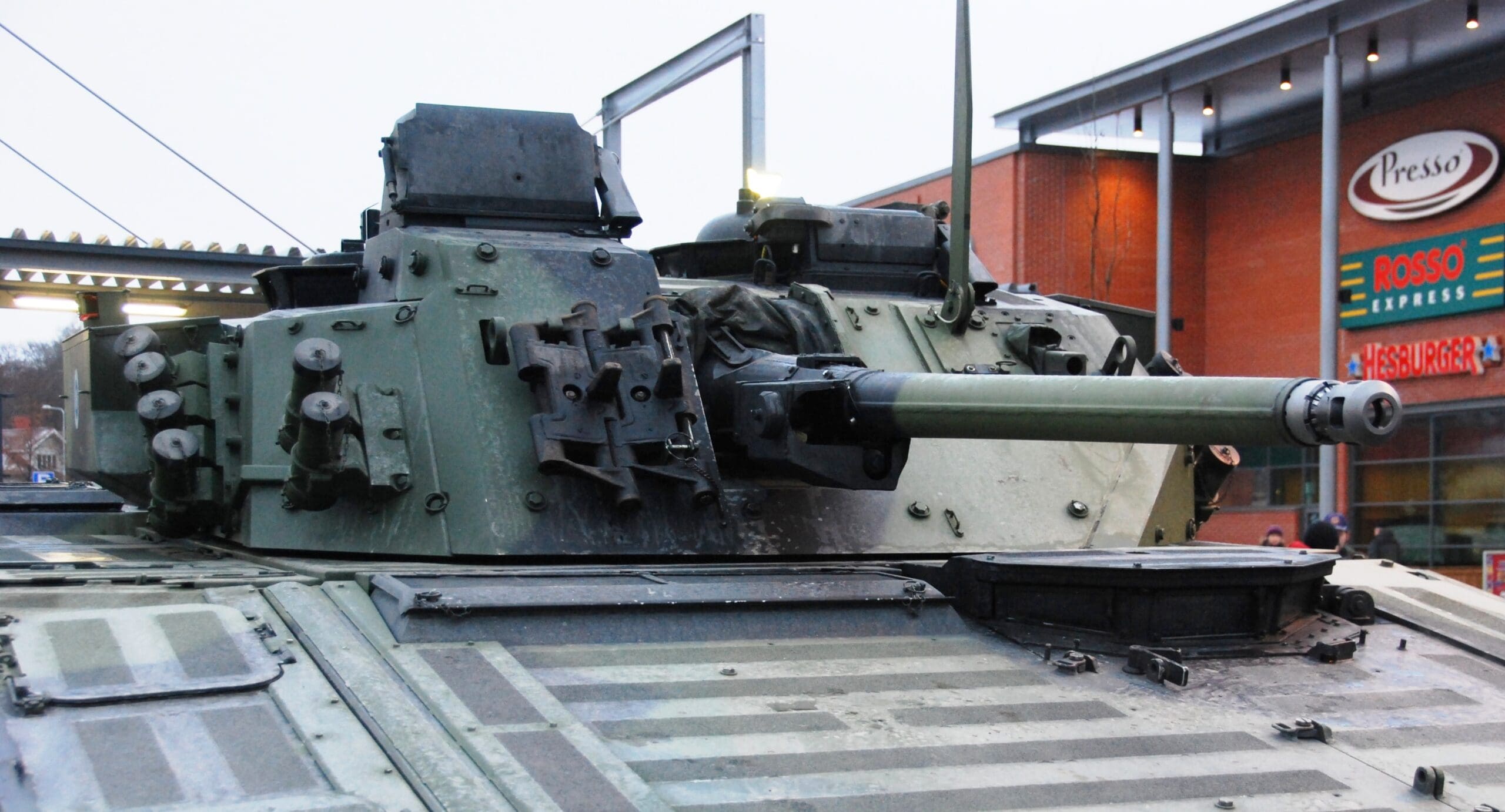
To address this, the US Army is moving toward a significant increase in organic firepower for its next-generation mechanized infantry vehicle. As part of ongoing testing for the XM30 program, the Army has ordered 16 units of the XM913 50mm Bushmaster Chain Gun. These cannons are being delivered to the Army’s development command to support trials and integration work tied to the future combat vehicle competition.
According to Interesting Engineering, the gun is intended to anchor a broader rethink of how infantry vehicles fight. Compared to the Bradley it is meant to replace, the gun is being designed from the outset around growth and adaptability. A modular, open systems architecture allows for advanced sensors, modern fire control, and remotely operated or optionally unmanned turrets, while leaving room for future upgrades. The 50mm cannon fits into this concept by offering a substantial leap in lethality without resorting to missiles for every engagement.
Technically, the gun builds on the proven Bushmaster chain gun design. An externally powered firing cycle ensures consistent feeding and controlled recoil, which is essential for accurate fire from stabilized turrets while moving. The weapon also features dual-feed, first-round-select capability, allowing crews to switch instantly between ammunition types. This is particularly useful in complex fights where armored vehicles, drones, and infantry may appear in quick succession.
Logistics and sustainment also played a role in the Army’s decision. The gun shares many training and maintenance practices with existing Bushmaster systems already in service. While the larger caliber means fewer rounds can be carried compared to older vehicles, the higher effectiveness per shot reduces the need for sustained fire. This is an important consideration as future formations are expected to operate more dispersed and under greater pressure on supply lines.
The move to a 50mm cannon reflects a shift toward fewer, more decisive engagements rather than volume of fire. Heavier rounds extend effective range, improve penetration, and offer better growth potential against emerging threats. As the program progresses, the gun is shaping up to be a key element in restoring overmatch for mechanized infantry units operating in increasingly contested environments.