

This post is also available in:
 עברית (Hebrew)
Modern unmanned systems rely heavily on satellite navigation, but in many operational environments GPS has become a fragile resource. Adversaries now routinely jam or spoof signals, causing drones to drift off course or lose their ability to precisely locate targets. For small tactical platforms, which often fly low and close to contested areas, this vulnerability can jeopardize entire missions.
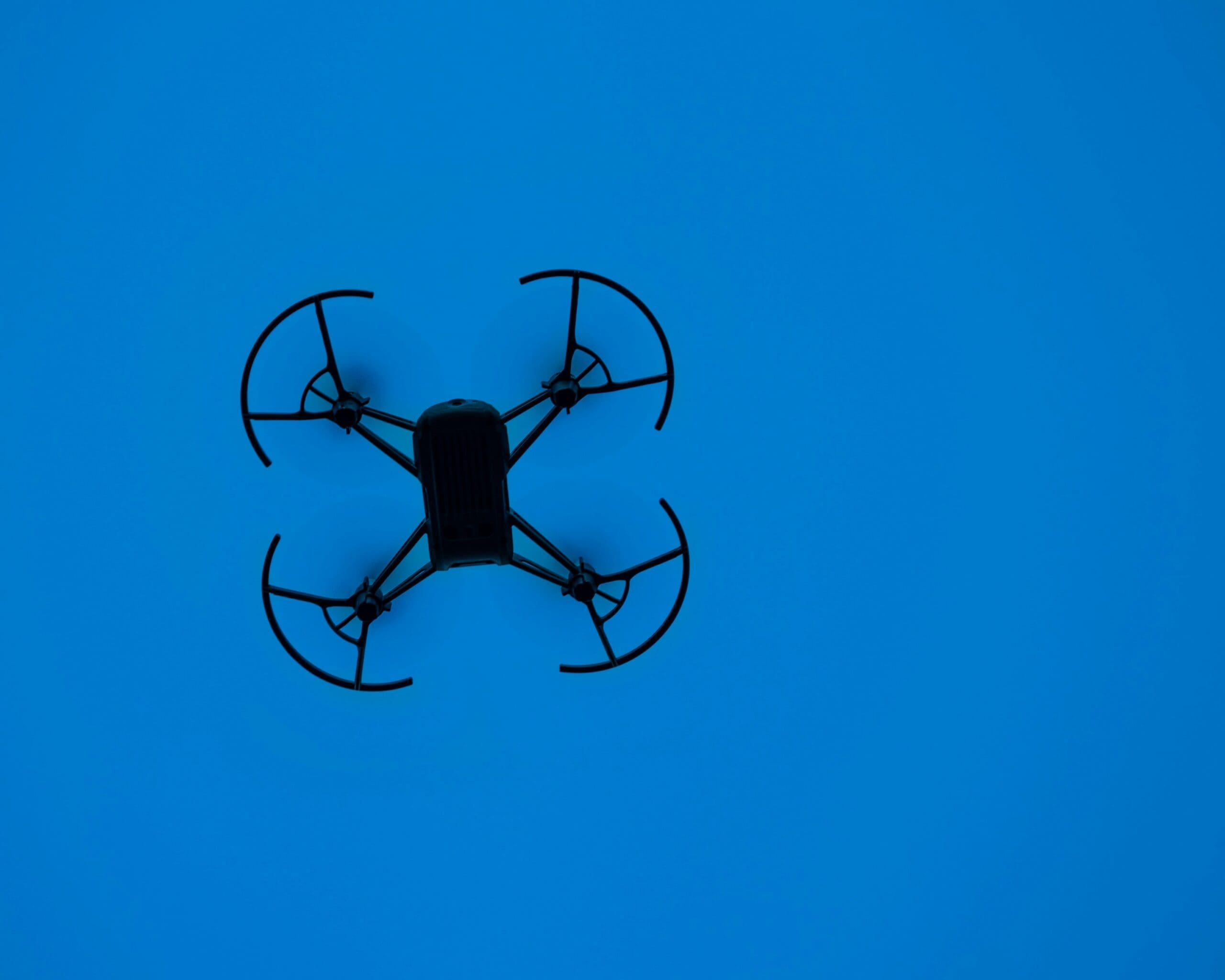
A new upgrade to the Puma Long Endurance (LE) drone aims to resolve that problem. The platform has been fitted with a visual-based navigation kit that allows it to maintain an accurate flight path even when satellite signals are unavailable. The system relies on downward-facing cameras, a suite of motion sensors, onboard processing, and real-time terrain analysis. By continuously matching live imagery with inertial measurements — a method known as visual inertial odometry — the drone calculates its position, velocity, and orientation without depending on external signals. The software automatically shifts between GPS-supported and GPS-denied modes, preserving geolocation accuracy without requiring the operator to intervene.
For homeland security and defense organizations, assured navigation is more than a convenience. Border regions, urban canyons, and maritime chokepoints are all areas where GPS interference is increasingly common. A drone that can continue gathering intelligence or tracking a target despite signal disruption provides clear operational value. Visual navigation also reduces reliance on ground infrastructure, making the drone suitable for rapid deployment or expeditionary missions where no prior mapping exists.
According to NextGenDefense, beyond navigation, it remains a compact yet capable ISR asset. Weighing just 10.8 kilograms, it can be launched by hand or bungee and sustain flights of up to 6.5 hours. Paired with a long-range antenna, the drone reaches a 60-kilometer operational radius, supporting both land and maritime missions. Its modular design accommodates multiple sensor packages, including the Mantis i45 series for day and night imagery. A secondary payload bay with dedicated power and Ethernet allows quick integration of mission-specific equipment, while compatibility with the Universal Gimbal Kit enables tool-free swapping between ISR, target-designation, and other payload types.
By introducing a navigation method that resists jamming, the upgraded drone expands its utility in complex and contested airspace — a requirement that is quickly becoming central to modern unmanned operations.























