

This post is also available in:
 עברית (Hebrew)
Chemical, biological, radiological, and nuclear hazards remain among the most dangerous threats soldiers can face. Detecting and responding to these risks is often slow, physically demanding, and hazardous, requiring troops to don protective gear, enter contaminated areas, and later decontaminate themselves, their equipment, and vehicles. In some scenarios, the environment is simply too dangerous or inaccessible for personnel to operate safely.
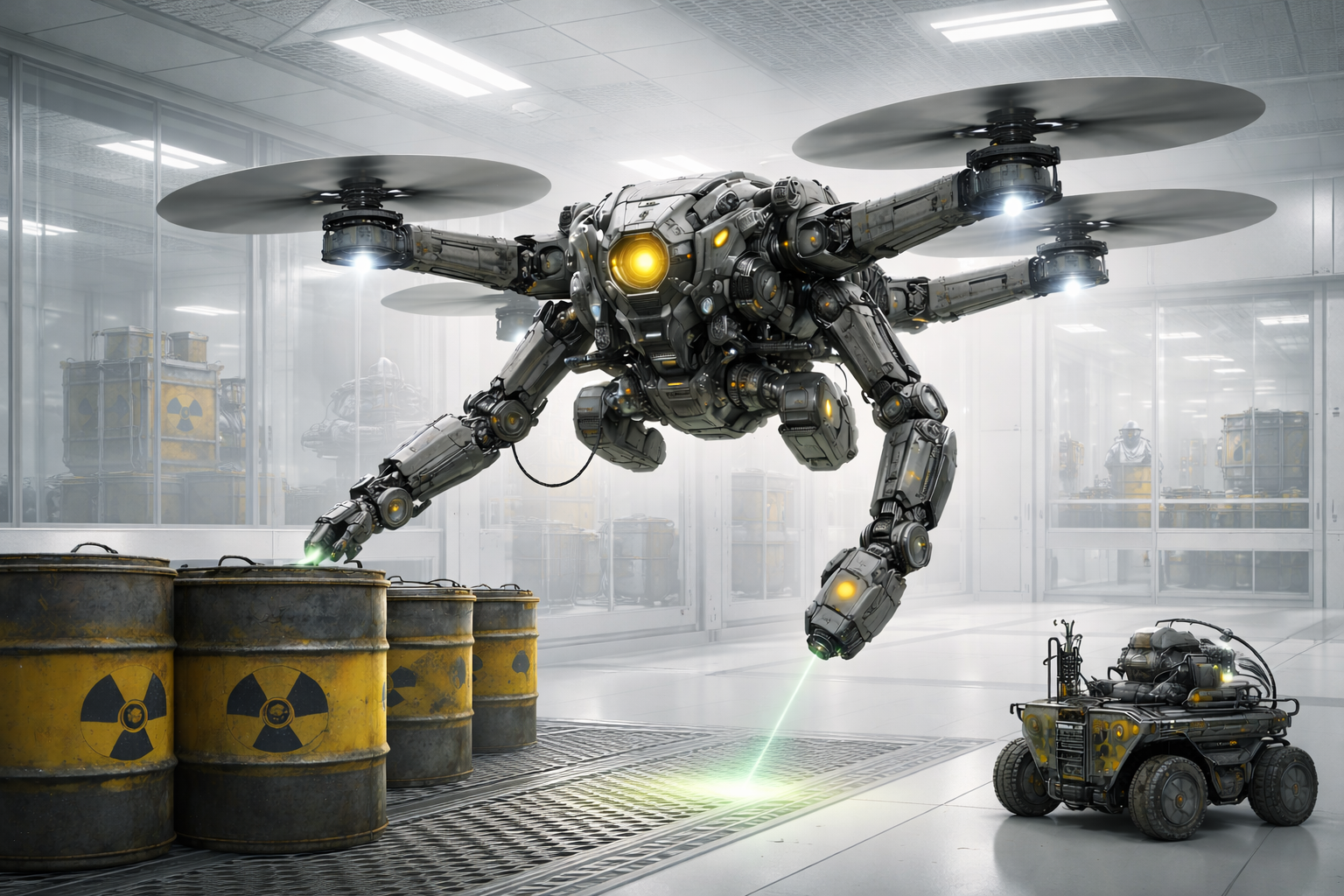
To address this problem, the U.S. Army is expanding the use of autonomous systems designed to detect, identify, and mitigate CBRN threats without putting warfighters directly in harm’s way. These systems combine robotics, specialized sensors, artificial intelligence, and automated decision-making to operate independently or alongside troops, acting as an intelligent partner rather than a passive tool.
According to Interesting Engineering, a key effort in this area is the integration of CBRN sensors onto unmanned platforms. Managed by the Capability Program Executive for CBRN Defense, initiatives such as CBRN Sensor Integration on Robotic Platforms (CSIRP) focus on rapidly prototyping and fielding modular sensor packages for both unmanned aerial and ground vehicles. The goal is to shorten detection timelines, improve early warning, and reduce exposure by keeping personnel at a safe distance from hazardous areas.
Autonomous CBRN systems can operate in contested environments where adversaries may deliberately target response teams or degrade communications. By automating detection and mapping, commanders gain faster, more accurate information while minimizing risk to troops. These capabilities also support joint-force operations by improving situational awareness and enabling coordinated responses across units.
One example is the CSIRP SkyRaider unmanned aerial system configured for CBRN hazard mapping. The drone can carry different sensor payloads and display detected hazards on mapping and command-and-control devices. Once launched, it can fly beyond line of sight, navigate autonomously, maneuver through confined spaces, and continue its mission even if GPS or communications are disrupted.
In a representative scenario, a unit operating in a contested area could face an unpredictable chemical release following a missile strike. Instead of sending soldiers into a potentially contaminated zone, leaders could deploy the drone to assess the spread and severity of the hazard. The collected data would support rapid decision-making, such as rerouting forces or deploying robotic decontamination systems to clear critical routes.
By shifting the most dangerous tasks to autonomous platforms, the U.S. Army aims to streamline CBRN response, reduce logistical burdens, and enhance force protection—while maintaining operational tempo in environments where human exposure carries unacceptable risk.























