This post is also available in:
 עברית (Hebrew)
Israel, a nation perpetually engaged in a high-stakes strategic chess game, finds itself in an unprecedented and uncomfortable position. Amidst persistent warnings about maintaining its qualitative military edge, they have greenlit a monumental, decade-long defense deal so shrouded in secrecy that its very existence raises more questions than answers. This isn’t just about a weapons sale; it’s a profound strategic recalibration, the implications of which could ripple across global defense landscapes.
Elbit’s Ghost Deal: A Glimpse Behind the Curtain
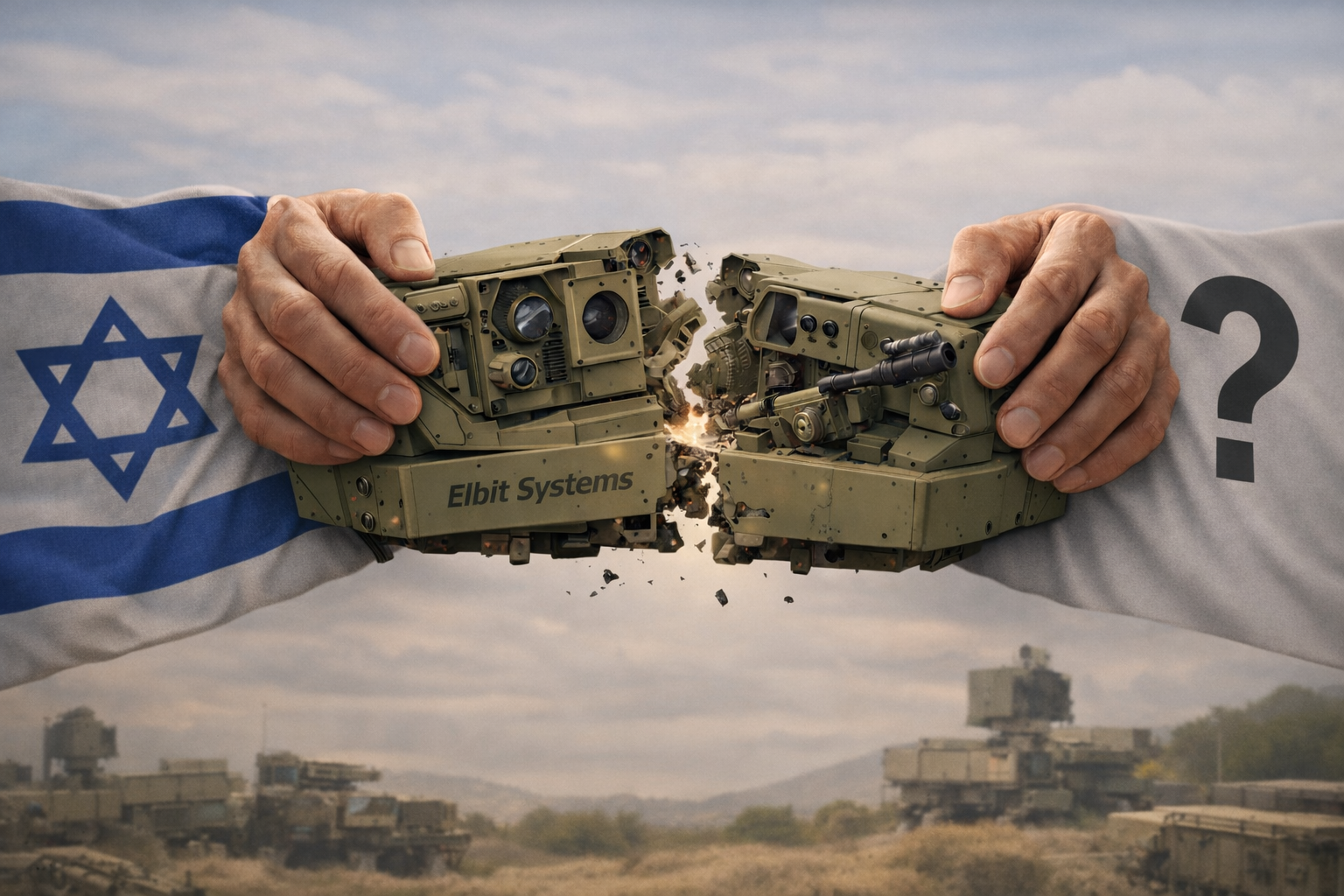
The details are sparse, deliberately so. Defense giant Elbit Systems, with the “full involvement” and mediation of Israel’s Defense Ministry, has inked a deal valued at approximately $2.3 billion. This isn’t merely a significant transaction; it’s touted as one of the largest and most impactful ever executed by Israel’s defense industries. What we know is limited to Elbit’s vague stock exchange notice describing it as a “strategic solution with an international customer”. The identity of this customer, along with the nature of the “advanced system” being transferred, remains under a strict publication ban. This isn’t just Israeli discretion; it’s a condition set by the foreign state itself, threatening immediate cancellation should any specifics leak. Both Elbit and the MoD have predictably clammed up, citing “sensitivity and classified nature”. This isn’t standard operating procedure; this is a strategic blackout.
Why It Matters: The Erosion of Advantage and Geopolitical Shifts
The sale of “advanced systems” by Israel, a nation whose very survival is predicated on maintaining a technological and operational superiority in a volatile region, is nothing short of a strategic gamble. The core question for any defense analyst is simple: Why? Why would Israel risk eroding its own qualitative military edge (QME) by transferring cutting-edge technology? The answer likely lies in a complex calculus of geopolitical leverage, alliance building, and perhaps, a massive economic incentive that serves broader strategic goals. The sheer scale and duration of the deal suggest a deep, long-term commitment that goes far beyond a simple commercial transaction. This isn’t just about selling hardware; it’s about transferring capabilities, doctrines, and potentially, influence.
The identity of the “international customer” is the ultimate pivot point. Is it a new regional ally, bolstering a nascent anti-Iran front? Is it a major global power seeking to integrate Israeli innovation into its own defense architecture? Or is it a nation in a far-flung theater, where Israel sees an opportunity to project influence or secure vital interests? The foreign state’s insistence on absolute secrecy is telling. They clearly don’t want their adversaries—or even their allies—to know the extent of their newfound capabilities or the source of such advanced technology. This points to a buyer with significant strategic ambitions and an understanding of the profound impact this “strategic solution” will have. For Israel, the decision to proceed, despite the potential QME implications, underscores a strategic priority that, for now, remains hidden in plain sight. This isn’t merely business; it’s a geopolitical maneuver of the highest order, the full ramifications of which will only unfold over the coming decade.