This post is also available in:
 עברית (Hebrew)
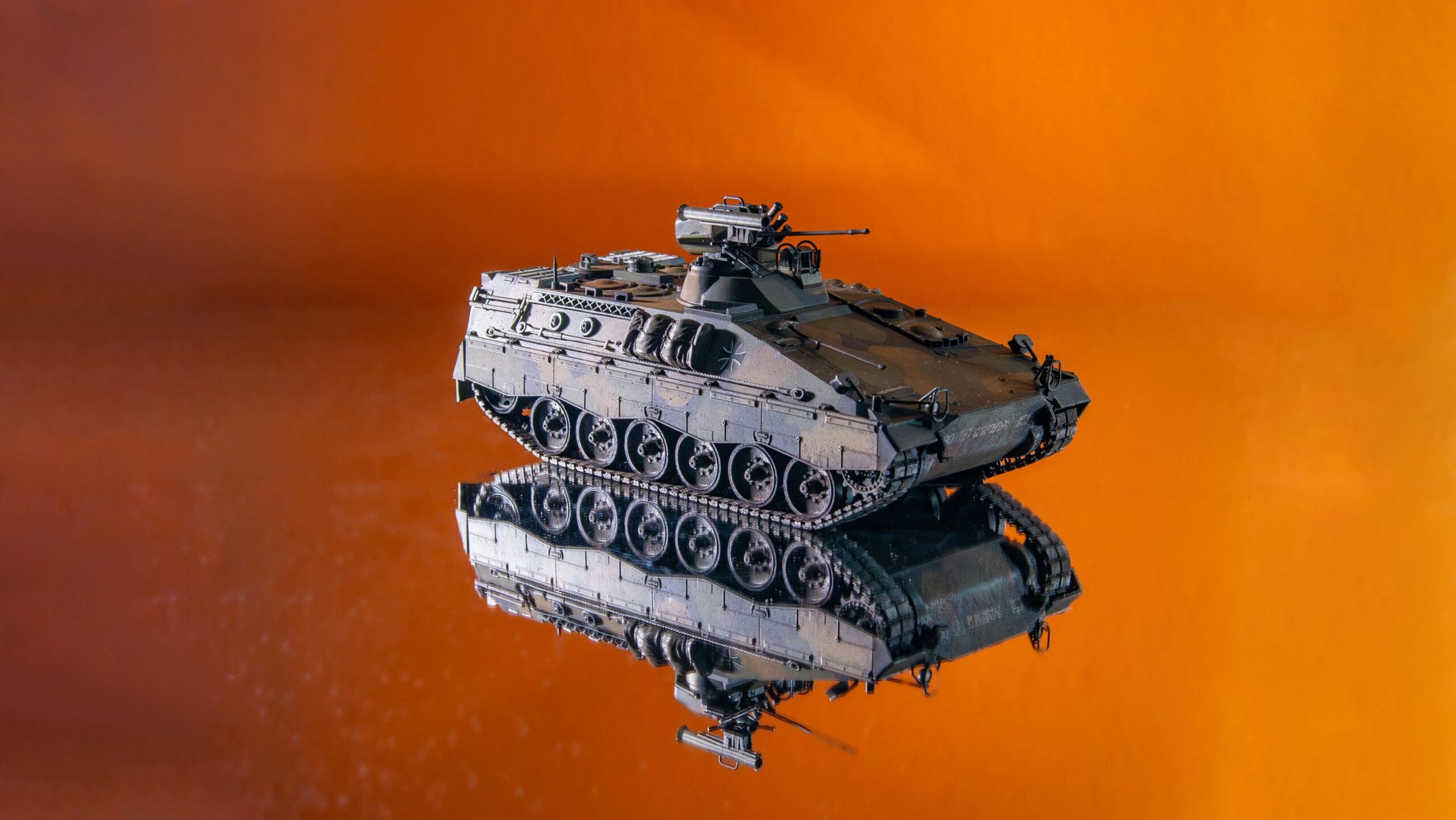
Armored fighting vehicles are expected to operate in increasingly complex environments, from dense urban terrain to wide-open maneuver corridors. They must withstand emerging anti-armor threats, keep crews protected, and deliver enough firepower to support combined operations. Meeting these demands often requires major upgrades to legacy platforms—especially those that form the backbone of armored brigades.
A new round of enhancements is being applied to one of the U.S. Army’s primary tracked vehicles, aimed at closing gaps in survivability, mobility, and situational awareness. The most recent configuration, commonly referred to as the A4 upgrade, focuses on strengthening the platform’s resilience and improving its digital backbone so it can operate effectively in multi-domain environments.
According to Interesting Engineering, the underlying issue the upgrade tackles is twofold: older models lack the computing power needed for modern battlefield networks, and their mechanical systems were not built for today’s higher-intensity operations. The A4 variant introduces a more powerful engine, allowing the 36,000-kg vehicle to accelerate faster and maneuver more effectively when under threat. The added horsepower helps crews reposition quickly in combat or avoid incoming fire—capabilities that have become increasingly essential.
Digitized electronics form the core of the redesign. A new central processing unit hosts ballistic fire-control functions, aided dual-target tracking, automatic gun-laying adjustments, and hunter-killer engagement features. These additions are designed to shorten reaction times and help crews identify and strike threats before they can close the distance. Enhanced networking tools also allow the vehicle to plug seamlessly into its brigade’s communication and sensor architecture, improving shared awareness across formations.
The mobility and protection improvements are equally important. Additional survivability measures increase the crew’s chances of withstanding attacks in both open terrain and urban combat zones. The platform is engineered to function across extreme temperatures and varied landscapes, supporting missions that range from close-combat operations to perimeter security around sensitive sites.
The upgraded configuration also maintains parts commonality with earlier variants, easing maintenance demands and logistical strain. As the vehicle continues to evolve, it demonstrates how legacy armored platforms can remain relevant through targeted modernization, strengthening ground forces as they adapt to faster, more data-driven modes of warfare.