




Why Future Autonomous Scouts Won’t Depend on GPS at All
Modern military operations increasingly take place in environments where GPS cannot be relied upon. Electronic jamming, urban terrain, dense foliage, and underground spaces can...
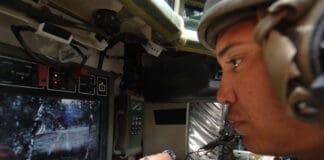
The Tech That Lets Armored Vehicles See in Every Direction
Armored vehicles operate in some of the most demanding and visually restrictive environments on the battlefield. Dust, smoke, darkness, urban clutter, and limited sightlines...

The Radar Plane That Survived the Budget Axe
Airborne early warning remains one of the most difficult capabilities to replace. Modern air combat depends on long-range detection, tracking, and battle management, yet...

This Elusive Drone Played a Role in Capturing Maduro
Modern military operations increasingly depend on seeing targets long before forces arrive on scene. High-risk missions, especially those involving special operations or politically sensitive...

The Engineering Secret That Keeps Subs Under the Radar
At first glance, diesel submarines seem to defy basic physics. Diesel engines require oxygen for combustion, yet these vessels spend much of their time...
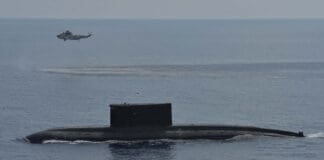
Deeper, Quieter, Farther: The Next-Gen Missile Submarine
Maintaining a credible sea-based nuclear deterrent requires more than just advanced missiles. Submarines tasked with strategic patrols must remain undetected for extended periods while...

A $185 Billion Shield in the Sky: The Future of Missile...
As missile threats grow more complex, particularly with the emergence of hypersonic weapons, traditional detection systems are struggling to keep pace. These threats travel...
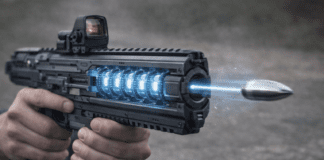
No Flash, No Bang: A New Kind of Handheld Weapon
Conventional firearms rely on chemical propellants, which bring a set of well-known limitations: noise, visible signatures, and fixed levels of force. In certain scenarios,...

Building AI Tools Without Coding—At Massive Scale
Large organizations are increasingly turning to AI to manage growing volumes of data and administrative workload. Traditional tools, such as spreadsheets, static dashboards, and...
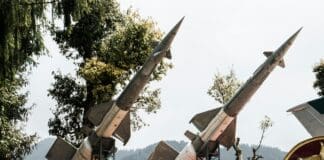
Jamming Won’t Stop This Long-Range Strike Weapon
Modern artillery systems are increasingly expected to operate in heavily contested electronic environments where satellite navigation signals may be disrupted or denied entirely. At...

This AI Predicts Fire Growth and Redirects Evacuees in Real Time
When a fire alarm sounds, most people instinctively head toward the nearest exit. The problem is that the closest route is not always the...

The Blind Spots Around Combat Vehicles May Soon Be Gone
Modern armored vehicles operate in increasingly complex environments where threats can emerge from any direction. Urban combat, drone attacks, poor weather, smoke, and nighttime...

This Weapon Doesn’t Explode – It Shuts Down Electronics
Modern militaries rely heavily on satellites and sophisticated electronic systems for communications, navigation, intelligence gathering and precision targeting. Rather than destroying these assets with...

This One-Wheel Robot Could Replace Routine Security Patrols
Protecting large industrial sites, airports, campuses and critical infrastructure often requires continuous patrols over wide areas. Autonomous security robots are increasingly being used to...

New Edge Computing Could Make Missile Warnings Faster From Space
Space-based sensors can generate enormous amounts of data while monitoring missile launches, spacecraft and other fast-moving threats. The challenge is getting useful information to...
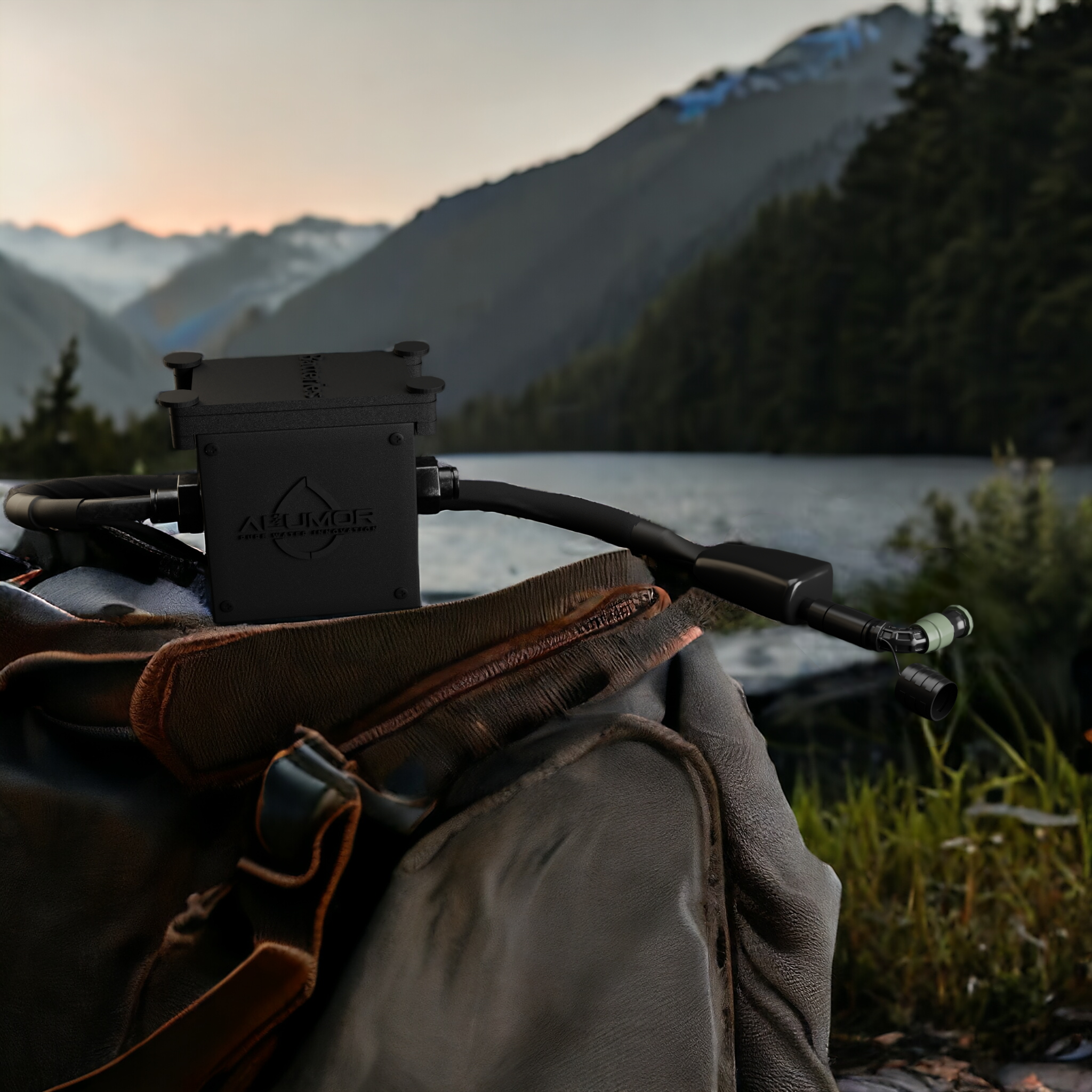
Alumor – Clean, Available Water Wherever You Need It
Alumor is a graduate of the INNOFENSE Innovation Center operated by iHLS in collaboration with IMoD.
For life to occur, it needs safe drinking water,...

A New Class of Drone Carrier Takes Shape
Modern amphibious forces increasingly rely on unmanned systems for reconnaissance, strike missions, and real-time situational awareness. Traditional helicopter assault ships are limited in the...

A Fold-Wing Drone That Delivers EW Where Big Platforms Can’t
Electronic warfare is no longer confined to large ships, fixed sites, or crewed aircraft. In littoral environments—where coastlines, islands, and narrow waterways limit maneuvering...

The Sea Drone That Hunts Mines at Helicopter Speeds
Naval mines remain a quiet but persistent danger. Cheap to deploy and difficult to detect, they can block ports, restrict maneuver, and threaten both...

Why Defense Networks Are Making Room for Generative AI
The Pentagon is accelerating its push into military artificial intelligence by integrating Grok, the generative AI model developed by xAI, into its secure digital...

From Tight Spaces to Open Water: A New Kind of Humanoid
Humanoid robots are often promoted as versatile helpers, but in real-world conditions they remain constrained by rigid frames and limited mobility. Tight spaces, uneven...
This Drone Refuels Jets So Pilots Don’t Have To
Carrier-based air operations are increasingly constrained by range. As strike aircraft become more capable and missions push farther from the carrier, a growing share...
Latest

This Rifle Upgrade Times Every Shot to Help Hit Fast-Moving Drones
Small drones have become a difficult target for infantry. They can approach quickly, change direction and present a much smaller target than a conventional...




















