




Too Fast to Stop? Hypersonic Missiles Move Closer to Reality
Modern air and missile defense systems are becoming increasingly effective at intercepting conventional threats. This has created a growing challenge for long-range strike capabilities,...

The Next Upgrade for Helicopters: Laser Protection
Rescue helicopters operating in contested environments face a growing threat from infrared-guided missiles. While onboard warning systems can alert crews to incoming threats, they...

Mid-Air AI Handoff: A New Era for Combat Aviation
As autonomous aviation advances, one of the key challenges remains flexibility. Most current systems rely on a single, tightly integrated AI “brain” to control...
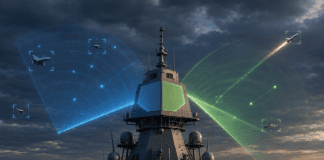
A New Naval Radar Can Split Itself Into Multiple Missions at...
Modern naval radar systems face a growing challenge: the electromagnetic spectrum is becoming increasingly crowded. Warships today must manage surveillance, missile guidance, communications, and...

INNOFENSE Innovation Center by iHLS – Startups Gathered for Another Insightful...
Last week in Tel Aviv, a workshop was held as part of the INNOFENSE program, the innovation center operated by iHLS in collaboration with...

This Robot Dog Can Fight Fires While Keeping Crews Out of...
Firefighters frequently operate in environments where collapsing structures, intense heat, toxic smoke, and rapidly changing conditions pose significant risks. Entering these areas to extinguish...

Meet the Robot Boats That Snap Together Like Lego
Building temporary infrastructure on water is often slow, expensive and labor-intensive. Whether the goal is creating a floating bridge after a natural disaster, deploying...

Four Times More Processing Power—Without a Bigger Drone
Small military drones are taking on increasingly complex missions, from reconnaissance and target tracking to autonomous navigation and coordinated swarm operations. Yet many of...

Cyborg Cockroaches Are Getting Smarter at Navigating Difficult Terrain
Small robots could be valuable for exploring collapsed buildings, damaged infrastructure and other spaces that are too confined or dangerous for people. But building...
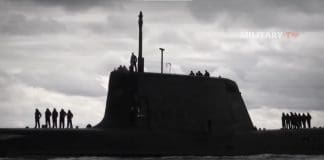
HMS Anson Nuclear Capable Submarine
The HMS Anson submarine, a hunter-killer submarine that is the Royal Navy’s newest and most cutting-edge vessel, is close to deployment after her latest...

Fighting Drones from Space: A New Defense Concept Emerges
As drone threats grow in range, speed, and sophistication, many existing counter-UAS systems struggle to keep up. Ground-based radars are limited by terrain, jammers...

The $2.3 Billion Enigma: Israel’s Strategic Gamble
Israel, a nation perpetually engaged in a high-stakes strategic chess game, finds itself in an unprecedented and uncomfortable position. Amidst persistent warnings about maintaining...

Vulnerability Intelligence: The New Operational Weapon in Cyber Defense
In an era where cyber threats evolve at an alarming pace and operational quietude can be disrupted at any moment, the traditional approach to...
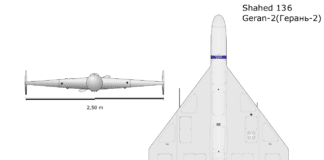
Why Air-Launched Drones Are the Next Air Defense Challenge
Air defenses are increasingly being shaped by the types of threats they face. Slow, propeller-driven drones are relatively easy to detect and engage once...
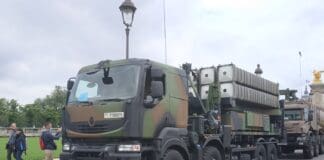
Stacking the Shield: A New Approach to Sky Protection
Air and missile defense planners are facing a rapidly widening threat spectrum. Beyond traditional aircraft, modern forces must contend with ballistic missiles, cruise missiles,...


The Cargo Drone Designed for High-Risk Resupply
Resupplying frontline units has always carried risk. Ground convoys remain vulnerable to surveillance, ambush, long-range fires, and loitering munitions. At the same time, modern...

Too Embedded to Remove? This AI Model Was Used in Very...
Advanced artificial intelligence models have become increasingly integrated into defense planning and operational workflows, but their growing role is also exposing tensions between military...

Looks Like a Box—Fires Like a Weapon: A New Kind of...
Modern battlefields are becoming increasingly transparent. With drones, satellites, and persistent surveillance systems scanning large areas in real time, traditional missile launchers are easier...
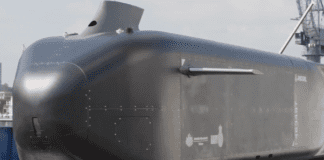
Smaller, Smarter, and Unmanned: A New Naval Shift
Maritime operations are becoming increasingly complex, with growing demand for persistent surveillance, extended reach, and reduced risk to personnel. Traditional submarines can provide these...

Not Just Weapons: AI Is Now Running the Back Office of...
As military systems generate growing volumes of data, managing information has become a challenge in itself. Tasks such as personnel administration, logistics planning, and...

This Helmet Doesn’t Just Protect Soldiers — It Connects Them
Modern soldiers increasingly operate with multiple connected devices at once, such as radios, sensors, cameras, navigation systems, hearing protection, and digital battlefield applications. While...
Latest

This Rifle Upgrade Times Every Shot to Help Hit Fast-Moving Drones
Small drones have become a difficult target for infantry. They can approach quickly, change direction and present a much smaller target than a conventional...




















