
This post is also available in:
 עברית (Hebrew)
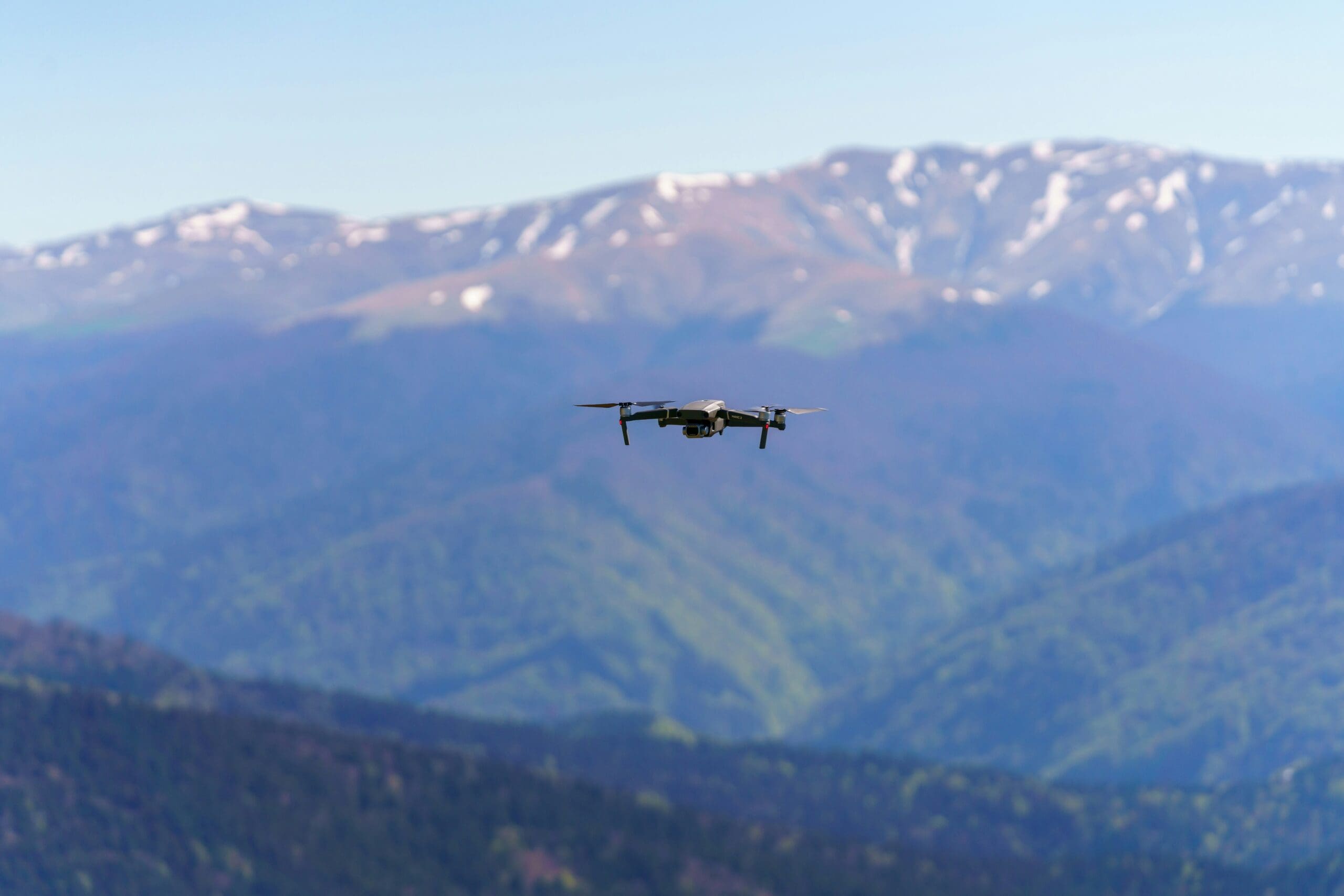
Counter-drone systems have a reaction-time problem. If a hostile UAV is only detected or disrupted once it enters the range of a handheld jammer, defenders may have very little time left to identify the aircraft, determine its intent and decide how to respond.
A new counter-UAS system called REACH is designed to move that electronic engagement farther away, with an estimated disruption range of 10 kilometers.
Developed by Ondas Sentinel, the system takes a non-kinetic approach. Instead of immediately launching an interceptor or firing a projectile, it uses radio-frequency effects to interfere with systems the drone may depend on for command, control and navigation.
The system can perform command-and-control disruption and Global Navigation Satellite System denial, with optional electronic attack against Positioning, Navigation and Timing functions.
The system uses directional RF signals, concentrating electronic energy toward selected targets rather than broadcasting equally in every direction. According to NextGenDefense, this is intended to reduce unnecessary effects on surrounding areas while focusing the electronic attack where it is needed.
Operators can configure the system according to the RF environment. Individual frequency bands can be switched on or off, their power levels adjusted, and their start and stop frequencies selected.
Detection and engagement are brought together through a common interface. The company’s Detect, Track and Identify systems can locate and classify a potential drone threat before passing targeting information into the company’s DefenseOS command-and-control software. From there, an operator can manage the electronic response remotely.
The system provides 360-degree coverage, allowing it to monitor and respond to threats approaching from different directions.
Electronic defeat, however, will not work against every drone. Some autonomous UAVs may continue flying without an active control link, while other navigation methods can reduce their dependence on satellite signals. The system is therefore intended to operate as part of a layered counter-drone architecture rather than as a standalone answer.
If its electronic effects fail to stop an aircraft, the same command architecture can hand the target over to a kinetic interceptor for another engagement attempt.
That layered approach also makes the technology relevant outside conventional military operations. Critical infrastructure, borders, large events and sensitive facilities all face the problem of detecting and responding to drones without automatically resorting to physical interception.
For those environments, distance can be particularly valuable. A system capable of beginning the response kilometers away gives security personnel more time to understand what is approaching and decide what level of force is appropriate.
The system’s central idea is therefore not simply stronger jamming. It is to move the first opportunity for electronic intervention farther from the protected site, leaving kinetic interception available if the quieter option does not work.