This post is also available in:
 עברית (Hebrew)
Small unmanned aerial systems have become one of the most persistent threats on modern battlefields. Commercially derived drones are now widely used for reconnaissance, targeting, and direct attacks, often overwhelming traditional defenses with their low cost and rapid deployment. Detecting and stopping these systems quickly has become increasingly important for frontline units operating in contested environments.
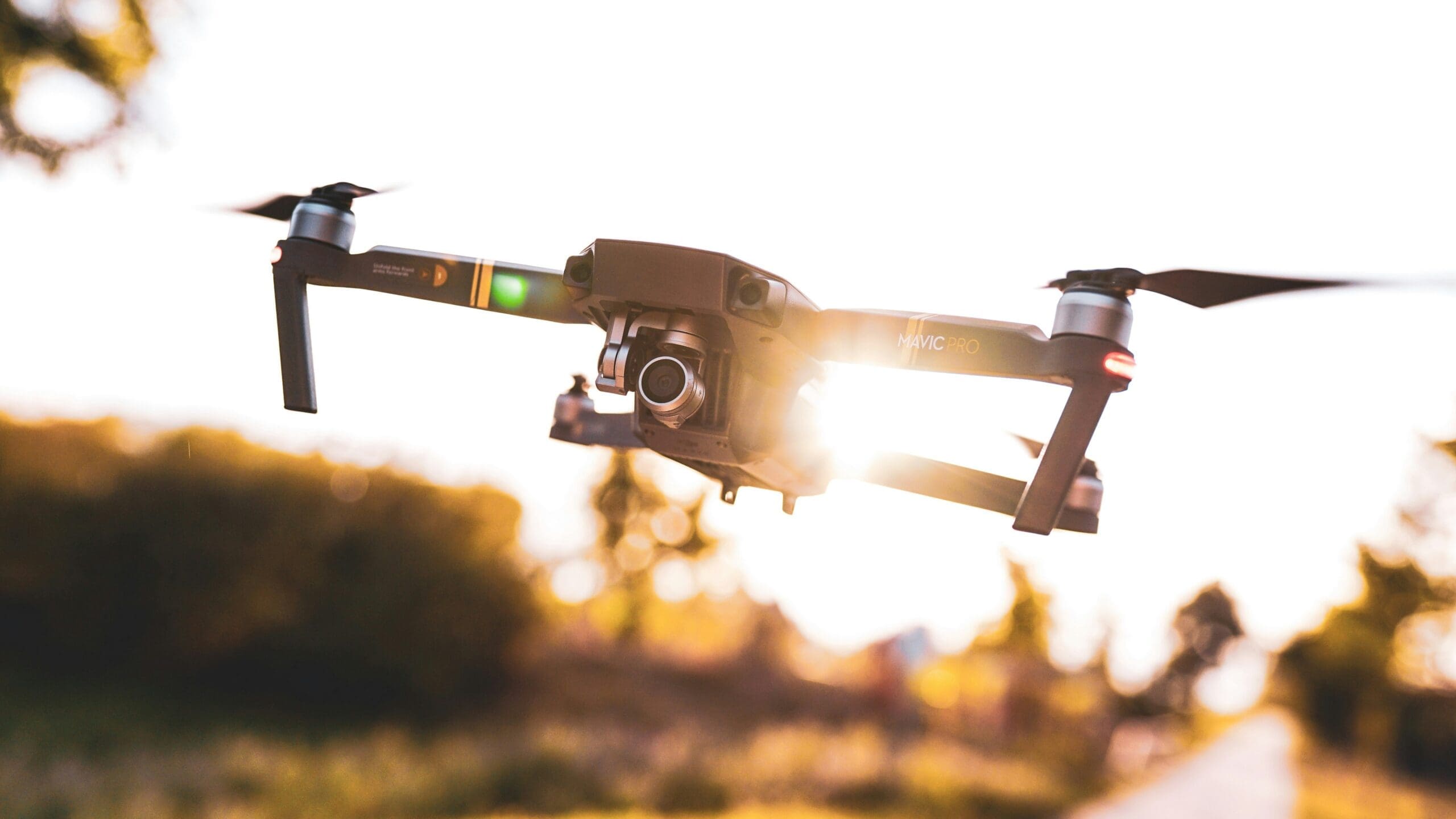
A new counter-drone platform (Bumblebee V1) is being introduced to help address that challenge. The system is a multirotor interceptor drone designed specifically to engage hostile UAVs with minimal operator involvement. By combining first-person-view operation with automated target recognition, it can identify, track, and intercept aerial threats while reducing the workload on soldiers during engagements.
The platform is designed to allow operators to focus on broader battlefield awareness rather than manually controlling every stage of an intercept. Once a target is detected, onboard automation assists with tracking and engagement functions, helping speed up response times against fast-moving drones.
According to Interesting Engineering, although originally introduced as a counter-UAS solution, the system is also being evaluated for a broader range of missions. According to operational assessments, it can support short-range reconnaissance, battlefield surveillance, and even one-way strike roles. The drone can also be configured to deploy munitions, making it adaptable to multiple tactical scenarios without requiring entirely different platforms.
The growing emphasis on these systems reflects lessons drawn from recent conflicts, where small drones have significantly altered battlefield dynamics. Frontline units increasingly require immediate access to aerial reconnaissance and rapid-response tools without waiting for higher-level assets. Portable multirole drones allow squads and platoons to gather intelligence, identify threats, and react faster at the tactical level.
From a defense perspective, the shift toward low-cost, attritable interceptors highlights a broader trend in military technology. Rather than relying solely on expensive air defense systems, forces are exploring scalable drone-on-drone solutions capable of countering UAV threats more economically and flexibly.
The platform is currently being integrated into operational training, where soldiers are evaluating how autonomous and semi-autonomous drone systems can support both defensive and offensive missions. As drone threats continue to evolve, systems designed for rapid deployment and minimal operator burden are likely to become increasingly common on future battlefields.