

This post is also available in:
 עברית (Hebrew)
Modern air-defense networks are becoming harder to penetrate, with mobile launchers, dispersed command nodes, and dense sensor arrays creating narrow and fast-moving windows of opportunity for airstrikes. Existing air-to-ground weapons were not designed with this level of maneuverability, high-threat environment in mind, leaving a capability gap for engaging strategic targets that relocate quickly or sit deep inside anti-access zones.
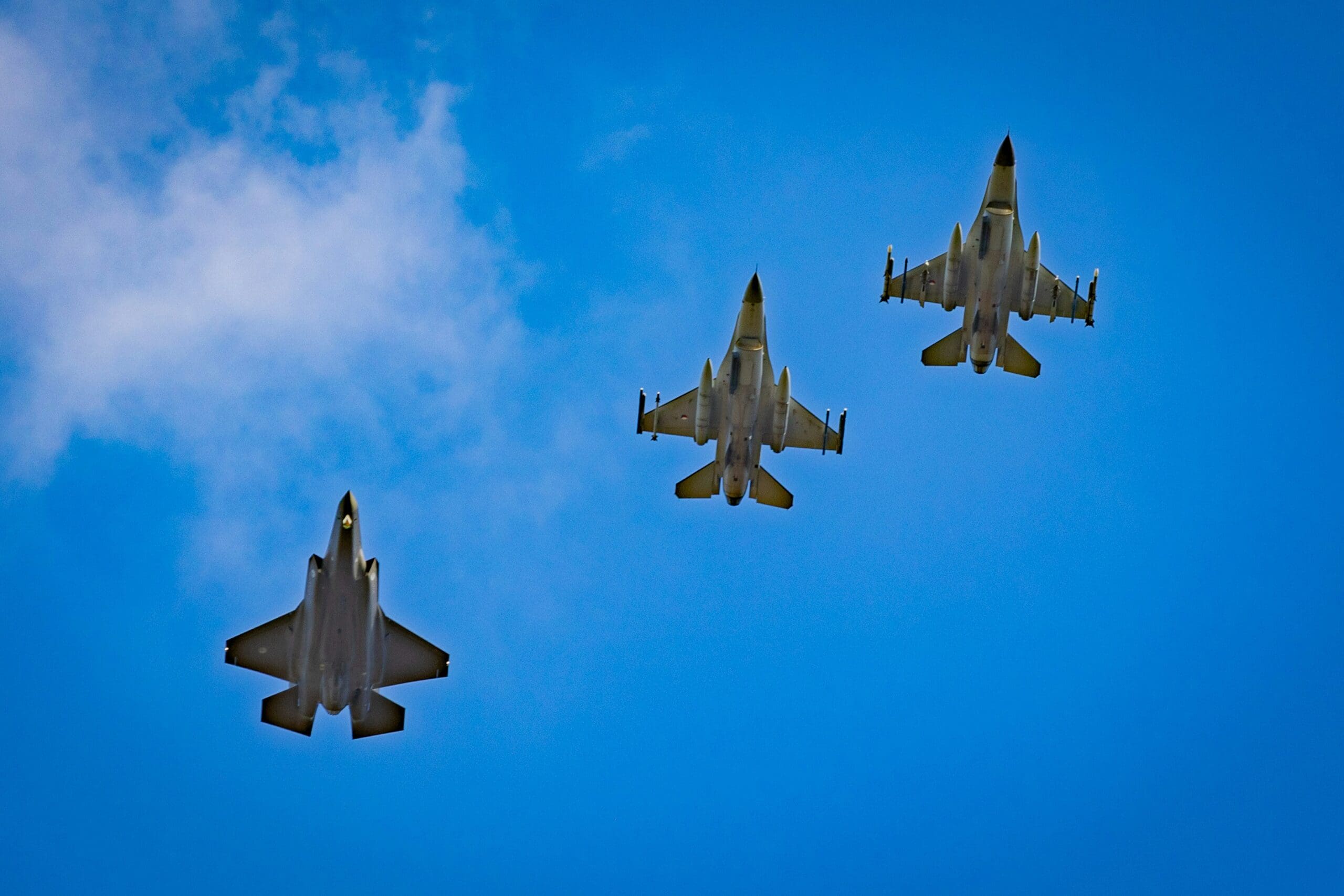
A recent development effort aims to close that gap. The U.S. Air Force and Northrop Grumman have completed a key flight test of the Stand-In Attack Weapon (SiAW), a new missile intended to give combat aircraft a precision strike option built specifically for contested airspace. The demonstration focused on safely releasing the weapon from an F-16, a step that generates aerodynamic and structural data needed before integrating the weapon onto more advanced platforms such as the F-35.
Following global weapons trends, the missile reflects a broader shift: missiles must now adapt to threats that move, hide, and redeploy rapidly. A weapon that can reach these targets while surviving layered air defenses is increasingly seen as essential for modern air operations. Although the program has not disclosed the missile’s top speed—and has not confirmed reports suggesting hypersonic performance—developers emphasize its ability to strike time-sensitive targets under demanding conditions.
According to Interesting Engineering, technically, the missile is being built around a modular architecture that allows subsystems to be upgraded without redesigning the entire weapon. Digital engineering methods enable faster iteration, giving the U.S. Air Force the ability to refresh guidance, propulsion, or seeker components as adversary systems evolve. This approach stands in contrast to legacy missile programs, where updates often required long development cycles.
The missile is intended to target mobile missile batteries, electronic-warfare systems, hardened command posts, and other assets that shape the early phases of conflict. Once developmental testing progresses, the missile will be integrated onto the F-35, giving the stealth fighter a new option for engaging defended, relocatable threats.
With the successful separation test now complete, the program moves toward guided flight trials and prototype deliveries. If timelines hold, the first operational units could appear later this decade, adding a tailored strike capability for scenarios where precision and survivability must align.























