

This post is also available in:
 עברית (Hebrew)
Modern ground forces face a recurring challenge: many critical tasks occur in places too dangerous or too unpredictable for soldiers to enter safely. Minefields, collapsed structures, and exposed supply routes demand constant attention, yet each carries significant risk to personnel. Militaries worldwide are turning to unmanned ground systems to shoulder these burdens, particularly in contested environments where traditional vehicles cannot operate freely.
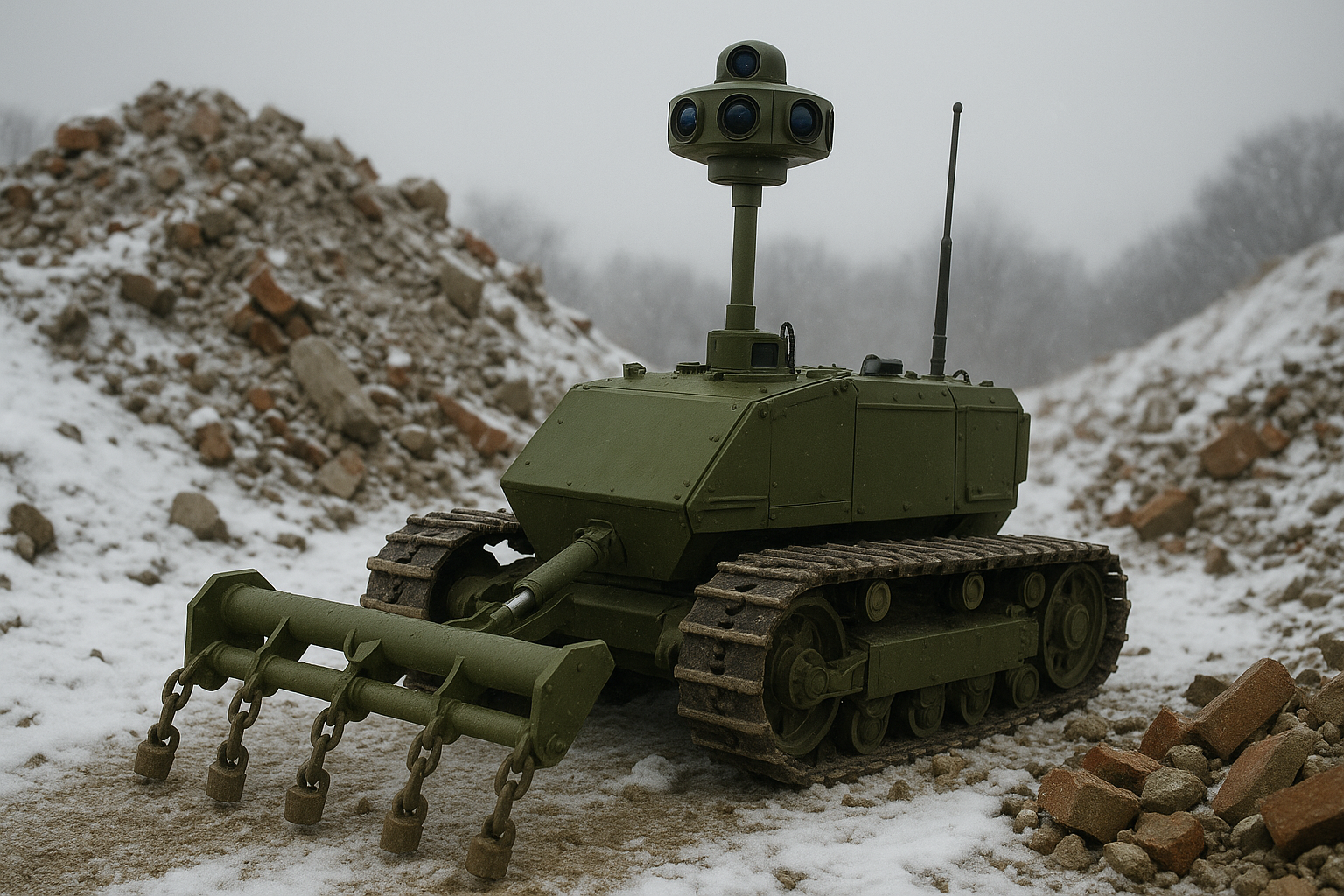
India’s new SapperScout Ver 2.0 is the latest example of that shift. The fully indigenous platform is built as a multi-utility unmanned ground vehicle capable of taking on a wide range of front-line missions. Weighing about 380 kilograms, the six-wheel system relies on independent drive units, articulated suspension, and a suite of onboard sensors to move across difficult landscapes. The vehicle can be controlled within visual range or operated remotely, giving units flexibility in how they deploy it.
The platform’s versatility is its main strength; with a payload capacity of 250 kilograms, the system can transport supplies, carry specialised sensor packages, or evacuate casualties without exposing troops to direct fire or unexploded hazards. Its modular design allows units to swap mission kits quickly, supporting everything from engineering tasks to counter-drone missions or remote weapon employment.
According to NextGenDefense, the system integrates several technologies aimed at improving situational awareness and survivability. A 360-degree camera array provides continuous visual coverage, enabling troops to conduct reconnaissance while remaining under cover. Ground-penetrating sensors offer the ability to detect buried mines and improvised threats, while other tools allow the platform to place charges or assist in clearing hazardous routes. These capabilities make the UGV suitable for both combat engineering and general support roles.
Mobility was a central design priority. The articulated suspension and all-wheel-drive layout enable the vehicle to negotiate steep inclines, snow, sand, rubble, and broken roads with minimal loss of stability. This ensures that remote units can rely on the platform in terrain where traditional wheeled or tracked systems may struggle.
The system’s debut comes as India accelerates its development of manned-unmanned teaming concepts. By pairing soldiers with autonomous systems built for demanding environments, the army aims to increase operational reach while reducing risk — a trend echoed in many modern militaries.























