

This post is also available in:
 עברית (Hebrew)
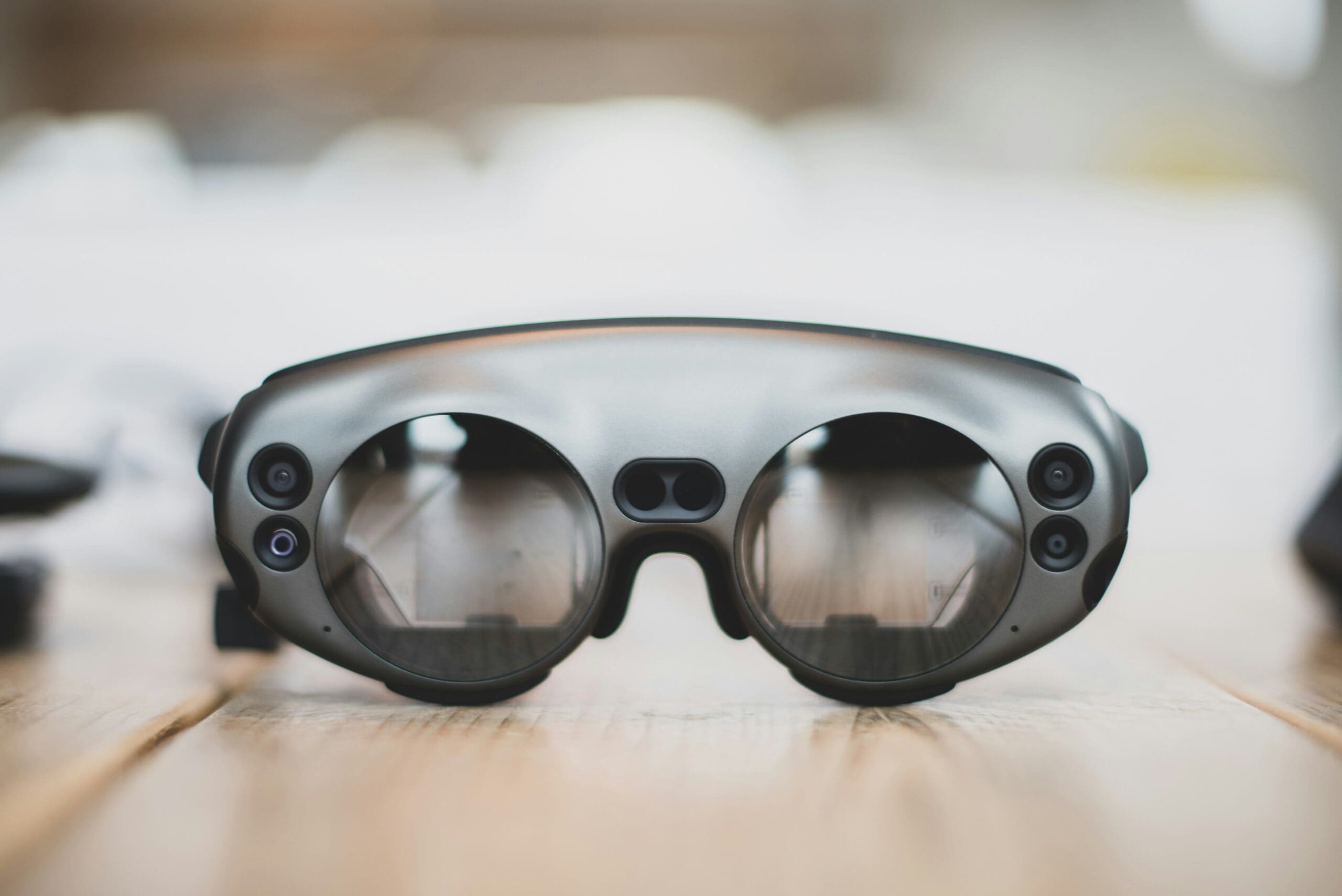
Finnish startup Distance Technologies has unveiled its Field Operator HUD (FOH), an innovative augmented reality (AR) system for combat vehicles. The system, which has already undergone field trials with UK and Finnish forces, combines advanced optics with artificial intelligence (AI) to provide armored vehicle crews with unprecedented situational awareness on the battlefield.
The primary challenge in modern armored vehicles is information overload. A multitude of sensors and screens within the confined crew compartment make it difficult to process data and make rapid decisions. The system is designed to solve this problem by fusing all data sources into a single, intuitive display, thereby enhancing crew survivability and operational effectiveness.
According to Road Tovr, at the core of the system is an AI engine that performs real-time sensor fusion. It integrates information from thermal cameras, night vision devices, radar, and other vehicle-mounted sensors. The algorithm analyzes the data, automatically detects threats, and presents only the most critical information to the operator, which significantly reduces cognitive load and enables faster reaction times.
The key technological differentiator of the system lies in its optics. The company utilizes lightfield display technology, which creates a separate light field for each eye. This technology allows for control over the perceived distance of each pixel in the virtual image. The result is a completely natural integration of virtual elements with reality, without the distortion or eye strain characteristic of traditional AR systems.
This capability effectively provides “see-through armor.” The crew inside a tank or armored personnel carrier can see the 360-degree combat environment as if the vehicle were transparent. Overlaid on this real-world view, the system displays key data such as enemy locations, movement paths, and other tactical information, all integrated at the correct depth. The system is modular and can also be adapted for dismounted soldiers and pilots.
The company’s approach, based on a lightfield display, offers a more natural user experience and reduces fatigue during long missions. The company also plans to offer the system for field trials to NATO and allied nations in the first quarter of 2026, with broader deployment starting in 2027. This technology represents the next generation of human-machine interfaces in the military domain, and its success could redefine the crew station in future armored fighting vehicles.























