This post is also available in:
 עברית (Hebrew)
Modern battlefields are saturated with electronic activity. Radars, jammers, drone control stations, communications systems, and other emitters constantly transmit radio-frequency signals that can reveal the location and intentions of opposing forces. Collecting this information, known as signals intelligence (SIGINT), has traditionally relied on ground-based sensors, but terrain, buildings, and vegetation can significantly limit their range and effectiveness.
A newly demonstrated drone-based SIGINT system aims to overcome those limitations by moving radio-frequency sensing into the air.
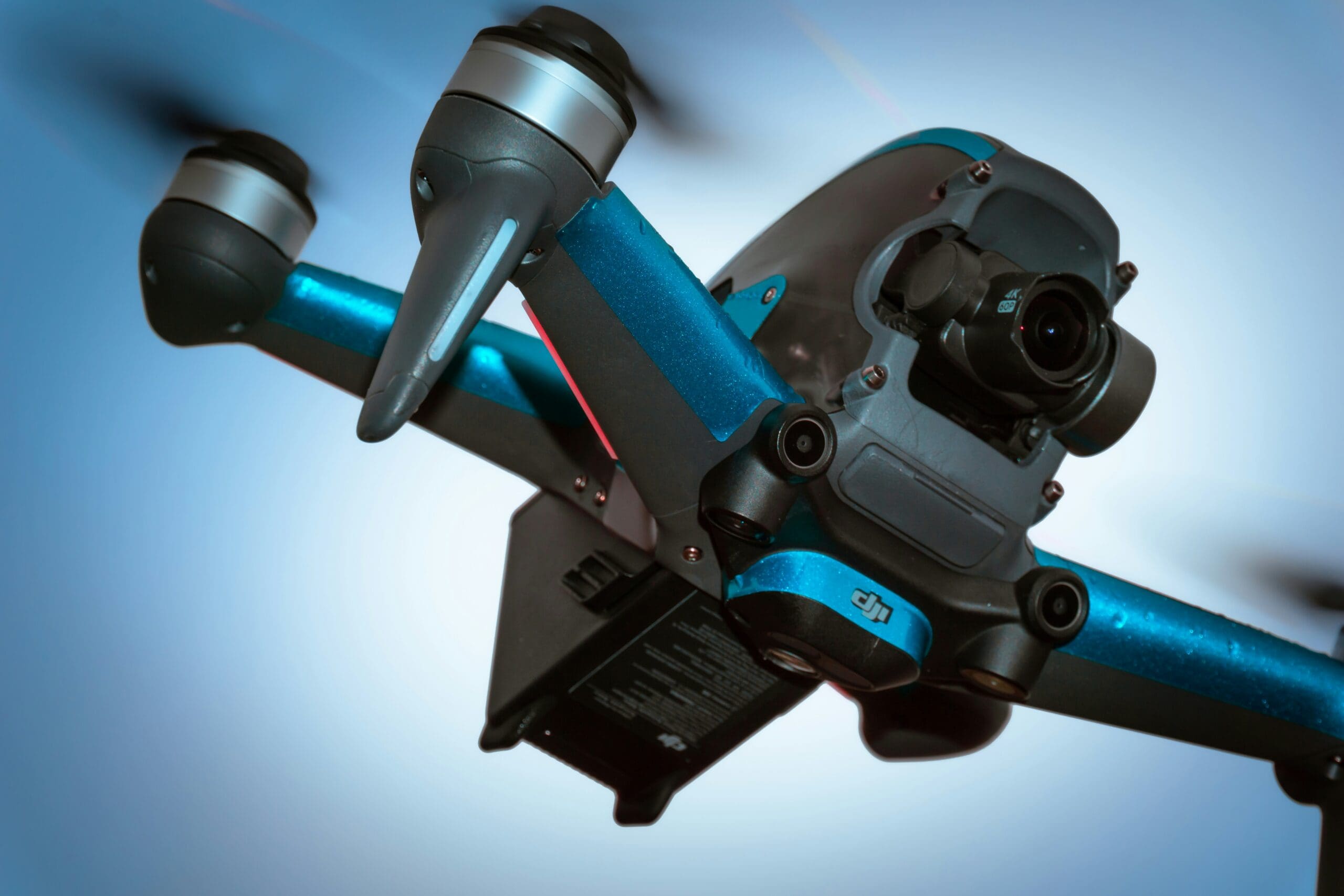
The solution combines a lightweight first-person-view drone (Orqa’s MRM2-10) with a compact signals intelligence payload (Sky Spy’s SkyAgent 001) capable of detecting and locating hostile electronic emitters during flight. By elevating the sensor above ground obstacles, the platform can observe a much larger portion of the electromagnetic environment than stationary ground systems.
Rather than transmitting signals itself, the payload operates passively, monitoring radio-frequency emissions already present on the battlefield. According to NextGenDefense, it is designed to detect electronic signatures from systems such as radars, electronic jammers, unmanned aerial vehicle control stations, and other RF-emitting equipment.
During a recent military exercise simulating electronic warfare conditions, the airborne system successfully identified multiple emitters distributed across the training area. The demonstration validated the concept of using lightweight drones to extend electronic intelligence coverage while providing frontline units with more immediate situational awareness.
One of the key advantages of the system is its portability. Conventional SIGINT platforms are often vehicle-mounted or deployed as larger, specialized assets. Mounting RF sensing equipment on a small drone allows electronic intelligence capabilities to accompany maneuver units operating in rapidly changing environments.
From a defense perspective, airborne SIGINT is becoming increasingly important as electronic warfare plays a larger role in modern conflicts. Identifying enemy radar systems, communications nodes, drone operators, or jamming equipment can provide commanders with valuable intelligence before kinetic operations begin.
The compact architecture also supports integration into broader intelligence networks, allowing information collected by individual drones to contribute to a larger operational picture shared across multiple units.
As militaries continue expanding the role of small, unmanned aircraft beyond reconnaissance and strike missions, electronic intelligence is emerging as another mission well suited to lightweight drones. By combining mobility with passive radio-frequency sensing, systems like this demonstrate how relatively small platforms can significantly enhance battlefield awareness without exposing personnel to unnecessary risk.