

This post is also available in:
 עברית (Hebrew)
Modern FPV drones have proven valuable for reconnaissance and precision attack roles, but their dependence on radio links has become an increasingly serious limitation. In high-intensity conflict zones, electronic warfare units now routinely jam or spoof those signals, severing control links or exposing operators to detection. As jamming grows more widespread and sophisticated, many frontline FPV (first-person-view) platforms are losing reliability exactly when demand for them is rising.
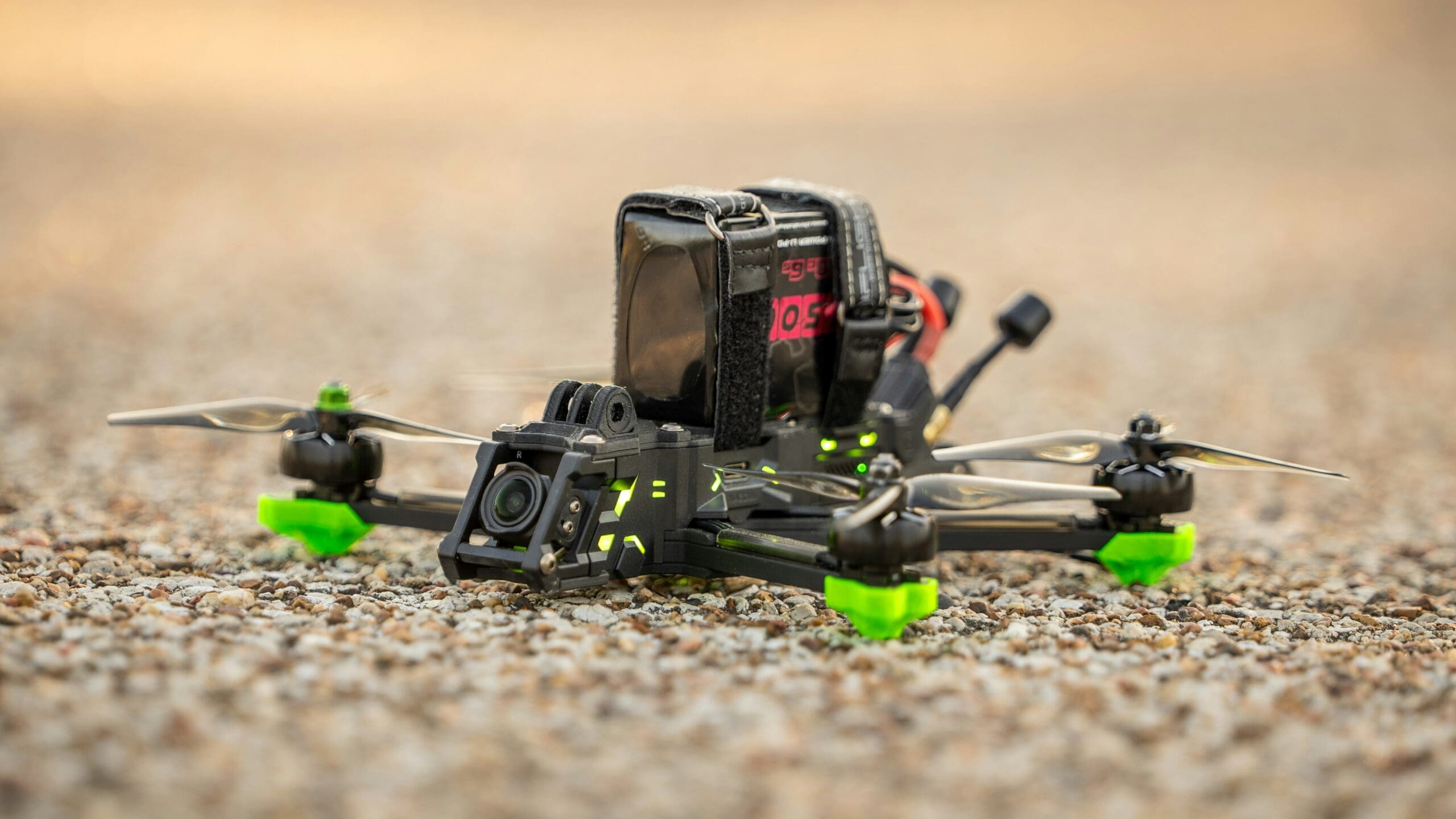
A newly introduced U.S.-Israel collaboration system, called Archer Fiber, attempts to solve this problem by abandoning radio communication entirely. Instead of transmitting commands and video through the air, the drone uses a fiber-optic tether to carry optical signals directly from the operator to the aircraft. This eliminates electromagnetic emissions from the platform and removes the vulnerabilities commonly associated with RF-based FPV drones. Because the control link does not radiate, EW units cannot easily track or disrupt it—an advantage that becomes crucial in dense interference or in areas where signal geolocation is a threat.
This shift reflects a broader operational requirement emerging from recent conflicts: unmanned systems must continue to function even when the electromagnetic spectrum is contested. A drone that can maintain guidance and deliver accurate video without exposing itself to jammers, detectors, or direction-finding equipment offers a more dependable option for urban operations, border monitoring, and precision strike missions.
According to Interesting Engineering, the system has also been developed with compliance and sourcing considerations in mind. The platform has passed the U.S. Department of Defense’s BlueUAS screening process, which audits components and manufacturing pathways to ensure critical parts are sourced from trusted suppliers. This is increasingly important for agencies aiming to reduce exposure to foreign-made electronics within unmanned systems.
Beyond its communications architecture, the platform is positioned as an attritable system—designed to be cost-effective enough for high-risk missions while still delivering meaningful capability. Because the fiber link supports stable control even beyond visual range, operators can fly complex FPV routes in environments where traditional radio-controlled drones would face immediate disruption.
With early deployments already underway and production pipelines expanding, fiber-optic FPV drones may signal a shift in how militaries and security agencies approach unmanned operations in jamming-heavy theaters—moving from radio resilience to radio independence.























